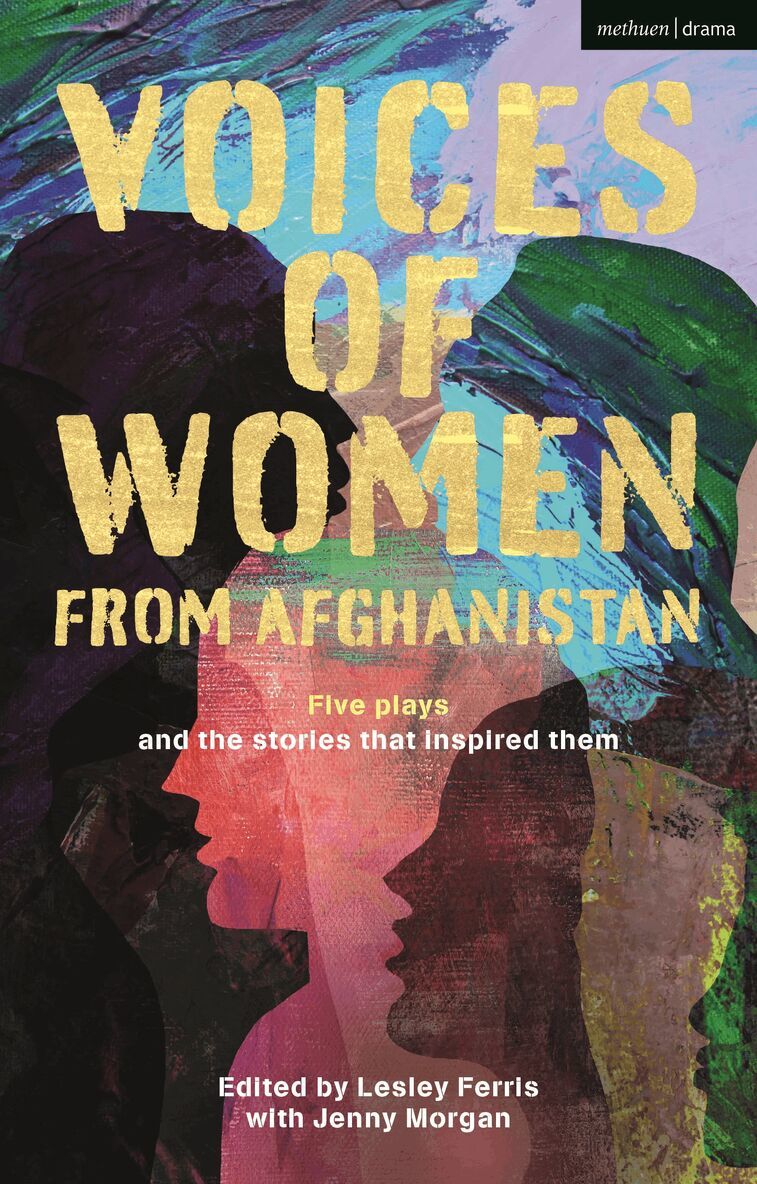
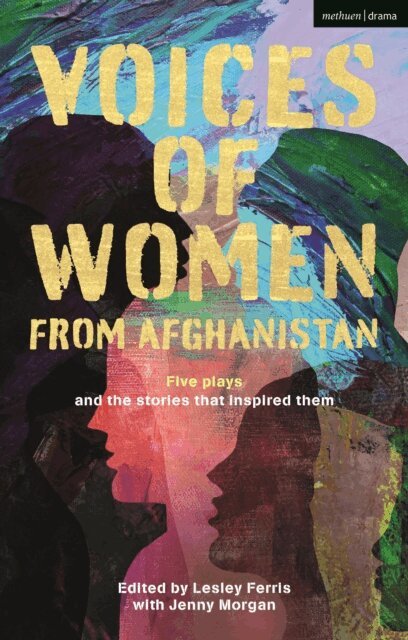
Five female playwrights explore the lives of Afghan girls and women in the uncertain years before the Taliban retook Kabul.When The Huffington Post began to publish the work of Afghan female journalists in English (through a programme called Sahar Speaks), director and scholar Lesley Ferris saw the potential for turning their stories into pieces of drama. This ground-breaking book is the result of that vision, collecting together five plays that offer a unique glimpse into the lives, creativity and resilience of Afghanistan’s women storytellers.Dancing To The Blast by Monirah HashemiDust Allergy by Nushin ArbabzadahBehind the Blast Wall by Sonali BhattacharyyaThe Place of Shining Light by Yasmin JosephParwana: They Bear All the Pain by Alia BanoIn her introduction, Lesley Ferris situates the plays in the challenging context of twentieth-century theatre in Afghanistan. Supported by reflections from the playwrights, and the original pieces of journalism that they are based on, the plays are illuminating, wry, surprising, and heart-rending. They open our eyes to what Afghan women wrestled with in the two decades between periods of Taliban rule, and remind us of what is being lost every day that women in Afghanistan are silenced. We hope that theatre-makers and educators at all levels will embrace these plays, and give them further life.
Five female playwrights explore the lives of Afghan girls and women in the uncertain years before the Taliban retook Kabul.When The Huffington Post began to publish the work of Afghan female journalists in English (through a programme called Sahar Speaks), director and scholar Lesley Ferris saw the potential for turning their stories into pieces of drama. This ground-breaking book is the result of that vision, collecting together five plays that offer a unique glimpse into the lives, creativity and resilience of Afghanistan''s women storytellers.Dancing To The Blast by Monirah HashemiDust Allergy by Nushin ArbabzadahBehind the Blast Wall by Sonali BhattacharyyaThe Place of Shining Light by Yasmin JosephParwana: They Bear All the Pain by Alia BanoIn her introduction, Lesley Ferris situates the plays in the challenging context of twentieth-century theatre in Afghanistan. Supported by reflections from the playwrights, and the original pieces of journalism that they are based on, the plays are illuminating, wry, surprising, and heart-rending. They open our eyes to what Afghan women wrestled with in the two decades between periods of Taliban rule, and remind us of what is being lost every day that women in Afghanistan are silenced. We hope that theatre-makers and educators at all levels will embrace these plays, and give them further life.
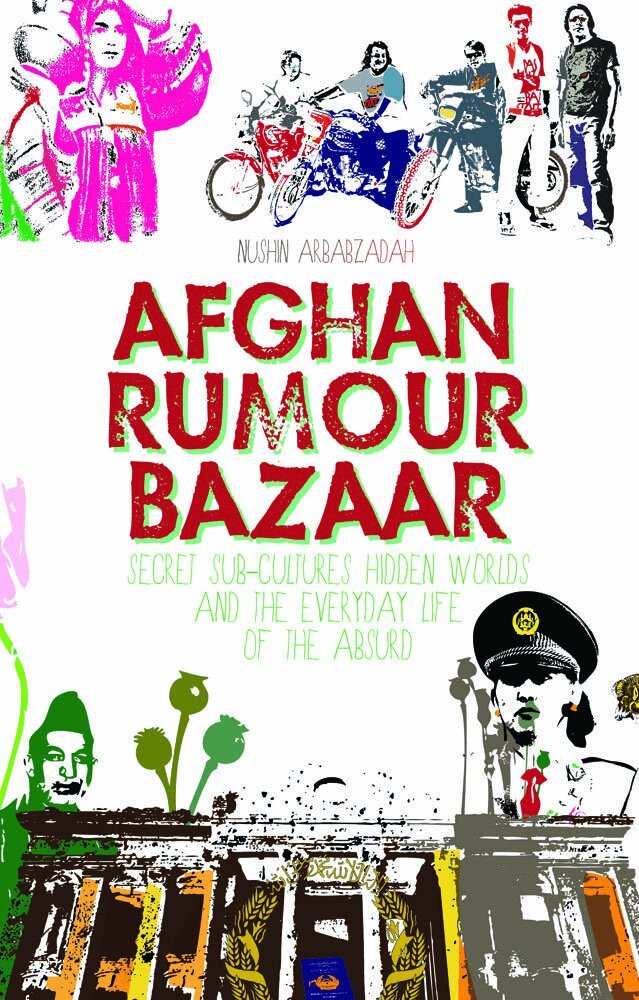
Ironic and humorous, witty and self-deprecatory, The Afghan Rumour Bazaar reveals the quotidian absurdities of lives framed against the backdrop of a savage war. Offering daringly new perspectives on a country readers may erroneously assume they know, Nushin Arbabzadah delves into the unacknowledged but real secret sub-cultures and hidden worlds of Afghans, from underground converts to Christianity to mysterious male cross-dressers to tales of bacha-posh girlboys. Among the individuals, fables and dilemmas she confronts are 'Why are Imams Telling Us About Nail Polish?', 'Afghanistan's Rich Jewish Heritage', 'Kabul Street Style', 'The Resurgence of Afghanistan's Spiritual Bazaar', and not forgetting Malalai of Maiwand, who turned her headscarf into a banner and led a successful rebellion against the British. Arbabzadah reveals for the first time Afghans' own vibrant internal deliberations - - on sex and soap operas; conspiracy theories; drugs and diplomacy; terrorism and the Taliban; and how a long-dead soothsayer from Bulgaria accidentally shut down a newspaper. Many different Afghan sensibilities are presented in her book, yet together they offer an unvarnished, at times heartwarming, at times tragic, insight into one of the most complex and fascinating countries on earth.
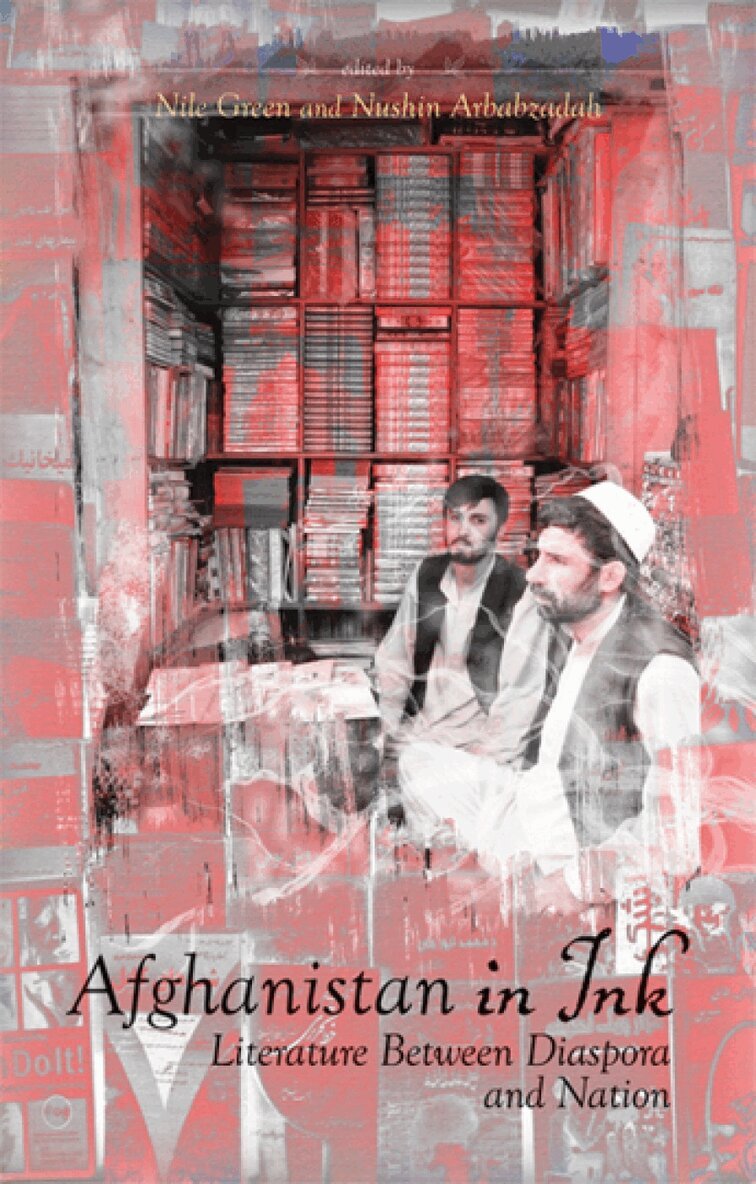
Afghanistan In Ink uses a wide and largely unknown corpus of twentieth century Afghan Dari and Pashto literature to show not only how Afghans have reflected on their modern history, but also how the state has repeatedly sought to dominate the ideological contours of that history through the patronage or exile of writers. Drawing on an abundance of Afghan language sources, the chapters by leading international experts reveal a disruptive twentieth century dynamic between the importing of multiple conflicting ideologies through literary globalisation and the destabilisation of the state as a consequence of these literary and ideological flows. As the first scholarly survey of modern Afghan literature, Afghanistan In Ink places the twentieth century's itinerant and exiled Afghan writers into their transnational contexts to trace Afghan artistic and ideological interactions with Muslim and Western nations. The volume emphasises the study of literatures in their social and political contexts. With its extensive contextualising introduction, this book provides both specialists and non-specialists with unique 'inside' perspectives on the interweaving of religious, political and cultural debates that have shaped modern Afghan society.