2 601 kr
Skickas inom 10-15 vardagar
2 601 kr
Skickas inom 10-15 vardagar
1 402 kr
Skickas inom 5-8 vardagar
1 386 kr
Läs direkt efter köp
1 406 kr
Läs direkt efter köp
671 kr
Skickas inom 10-15 vardagar
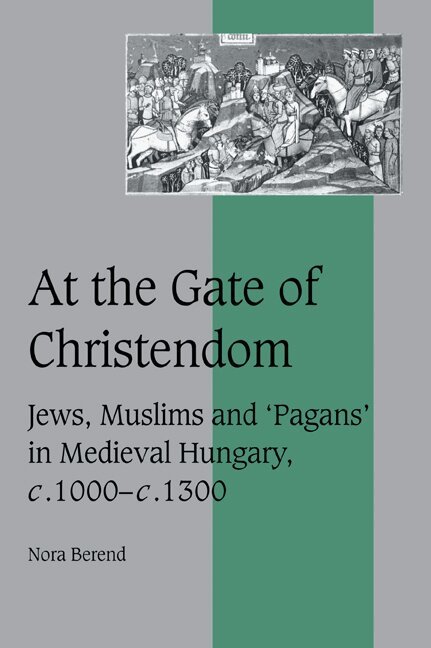
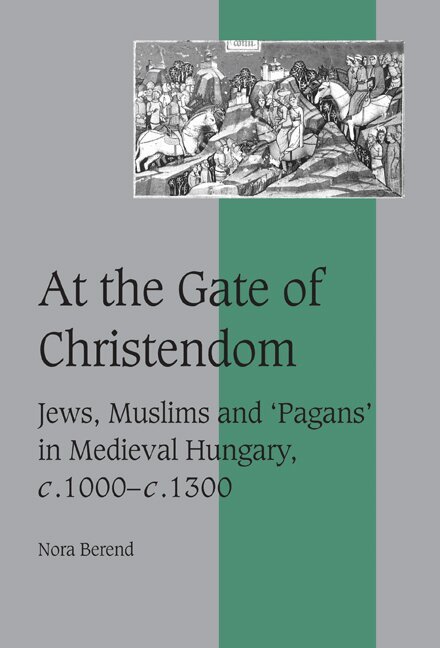
Jews, Muslims and 'Pagans' in Medieval Hungary, c.1000 - c.1300
491 kr
Skickas inom 7-10 vardagar
905 kr
Skickas inom 7-10 vardagar
Jews, Muslims and 'Pagans' in Medieval Hungary, c.1000 - c.1300
2 146 kr
Skickas inom 7-10 vardagar
1 761 kr
Skickas inom 7-10 vardagar
582 kr
Skickas inom 7-10 vardagar
2 214 kr
Skickas inom 7-10 vardagar
997 kr
Skickas inom 7-10 vardagar
785 kr
Läs direkt efter köp
This book investigates how minorities contributed to medieval society, comparing these contributions to majority society’s perceptions of the minority.
In this volume the contributors define ‘minority’ status as based on a group’s relative position in power relations, that is, a group with less power than the dominant group(s). The chapters cover both what modern historians call ‘religious’ and ‘ethnic’ minorities (including, for example, Muslims in Latin Europe, German-speakers in Central Europe, Dutch in England, Jews and Christians in Egypt), but also address contemporary medieval definitions; medieval writers distinguished between ‘believers’ and ‘infidels’, between groups speaking different languages and between those with different legal statuses.
The contributors reflect on patterns of influence in terms of what majority societies borrowed from minorities, the ways in which minorities contributed to society, the mechanisms in majority society that triggered positive or negative perceptions, and the function of such perceptions in the dynamics of power. The book highlights structural and situational similarities as well as historical contingency in the shaping of minority influence and majority perceptions.
The chapters in this book were originally published as special issue of the Journal of Medieval History.
785 kr
Läs direkt efter köp
This book investigates how minorities contributed to medieval society, comparing these contributions to majority society’s perceptions of the minority.
In this volume the contributors define ‘minority’ status as based on a group’s relative position in power relations, that is, a group with less power than the dominant group(s). The chapters cover both what modern historians call ‘religious’ and ‘ethnic’ minorities (including, for example, Muslims in Latin Europe, German-speakers in Central Europe, Dutch in England, Jews and Christians in Egypt), but also address contemporary medieval definitions; medieval writers distinguished between ‘believers’ and ‘infidels’, between groups speaking different languages and between those with different legal statuses.
The contributors reflect on patterns of influence in terms of what majority societies borrowed from minorities, the ways in which minorities contributed to society, the mechanisms in majority society that triggered positive or negative perceptions, and the function of such perceptions in the dynamics of power. The book highlights structural and situational similarities as well as historical contingency in the shaping of minority influence and majority perceptions.
The chapters in this book were originally published as special issue of the Journal of Medieval History.
567 kr
Läs direkt efter köp
567 kr
Läs direkt efter köp
5 666 kr
Läs direkt efter köp
5 583 kr
Läs direkt efter köp
850 kr
Läs direkt efter köp
829 kr
Läs direkt efter köp
288 kr
Skickas
200 kr
Skickas inom 7-10 vardagar
178 kr
Läs direkt efter köp
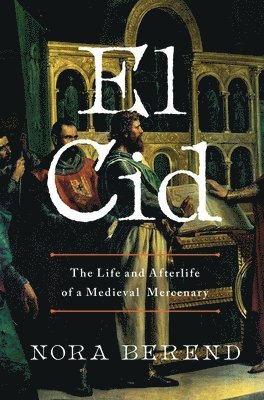
''A fascinating study of historical mythmaking . . . concise and absorbing''Paul Freedman, author of Out of the East
''Lively, original and fascinating''David Abulafia, Literary Review
''An enthralling study . . . exceptionally fascinating''Washington Post
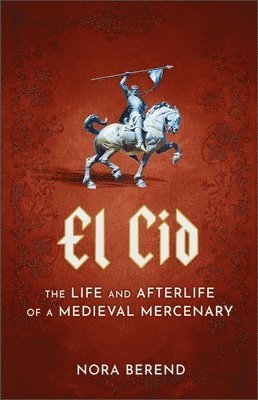
Rodrigo Díaz lived a violently colourful life in eleventh-century Spain. An ambitious military leader, exile and brutal mercenary, he served Christian kings, fought against Christian princes in service of Muslim rulers, raided and killed Muslims and eventually struck out on his own, carving out an independent principality.
While Rodrigo the man is long dead, El Cid lives on: a superhero; a quasi-saint; the ''spirit of Spain'', according to military dictator Franco; and a champion of medieval Spanish multiculturalism.
Nora Berend uncovers how el Cid has been transformed across the centuries, confronting the gulf between truth and legend and examining how a military adventurer became a hero to people on opposite ends of the political spectrum.
What is it about this man that appeals to us? And why do we transform the most unsuitable people into heroes?
''Would the real El Cid please stand up? Nora Berend''s fascinating new book covers nearly a thousand years of history and myth-making about this eleventh-century warrior . . . and presents all the delicious ironies of history''Professor Marc David Baer, author of The Ottomans: Khans, Caliphs, and Caesars
7 705 kr
Skickas inom 7-10 vardagar
368 kr
Skickas inom 3-6 vardagar
274 kr
Skickas inom 3-6 vardagar