2 602 kr
Skickas inom 10-15 vardagar
2 602 kr
Skickas inom 10-15 vardagar
623 kr
Skickas inom 10-15 vardagar
731 kr
Läs direkt efter köp
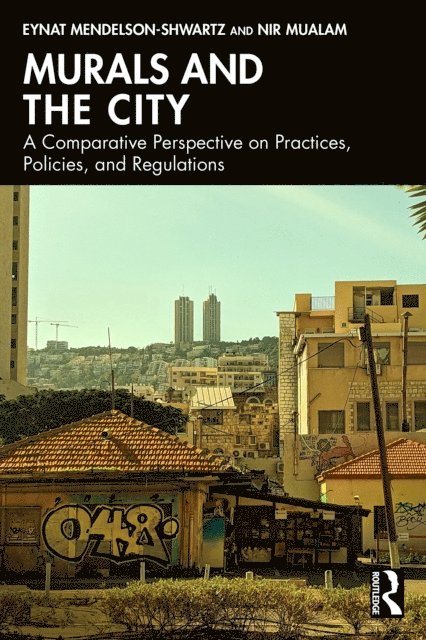
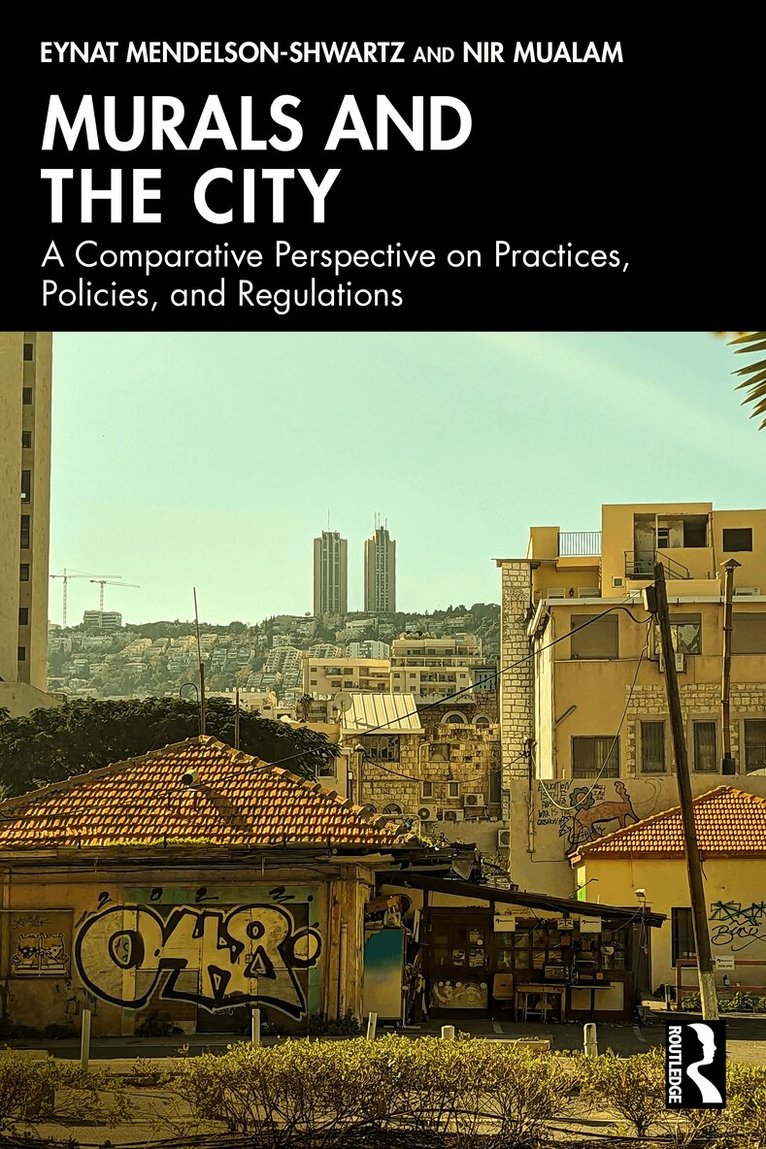
This book provides a cross-urban account on murals, street art, and public art in cities around the globe. It reviews the rules, policies, and regulations that frame how murals and street art are managed across a range of cities and contexts. Murals and street art serve as dynamic stages for communities and individuals with multiple and sometimes opposing identities, with the potential to cause disturbance and conflict. The book investigates the challenges they present to cities and city administrations, and the policies and practices that are crafted to address them. The global landscape of today''s mural policies is discussed comparatively across a range of cities, and the impact of written rules, unofficial practices, and institutional arrangements on city spaces, walls, and surfaces is examined. An important contribution to this growing field, the book will appeal to students, practitioners, and scholars with an interest in public art, municipal governance, public space management, cultural policy, and urban design.
710 kr
Läs direkt efter köp
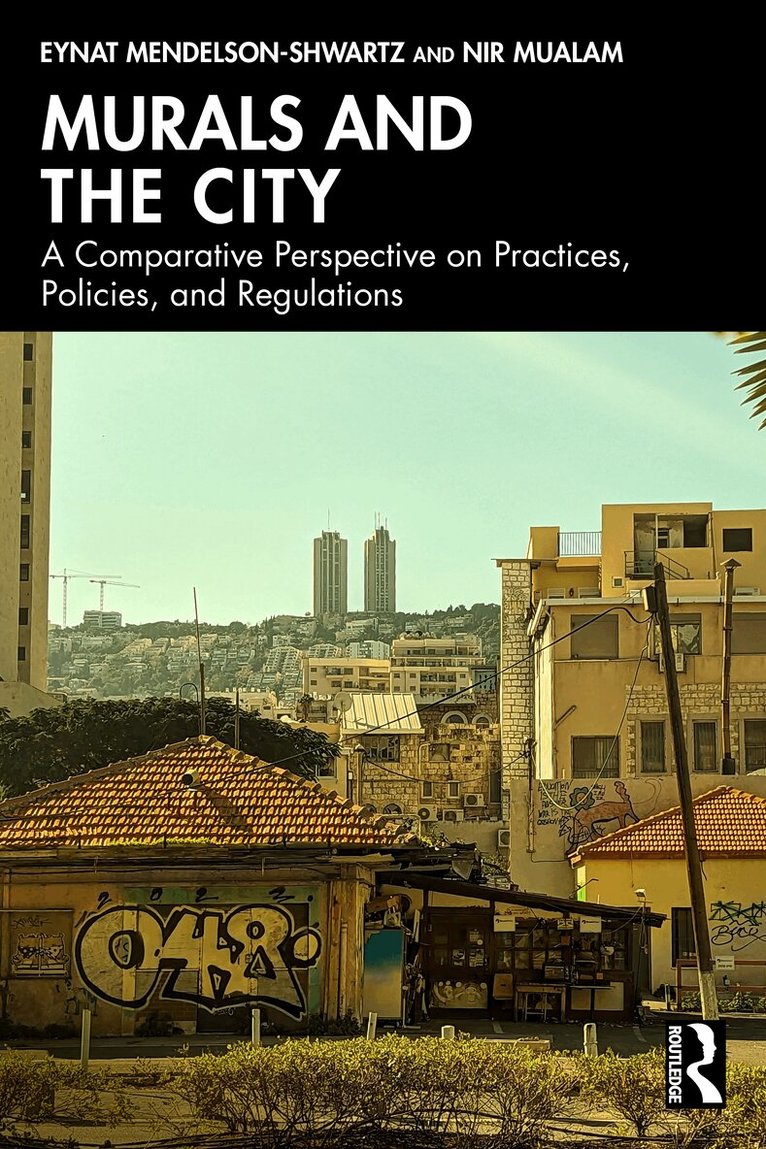
This book provides a cross-urban account on murals, street art, and public art in cities around the globe. It reviews the rules, policies, and regulations that frame how murals and street art are managed across a range of cities and contexts. Murals and street art serve as dynamic stages for communities and individuals with multiple and sometimes opposing identities, with the potential to cause disturbance and conflict. The book investigates the challenges they present to cities and city administrations, and the policies and practices that are crafted to address them. The global landscape of today''s mural policies is discussed comparatively across a range of cities, and the impact of written rules, unofficial practices, and institutional arrangements on city spaces, walls, and surfaces is examined. An important contribution to this growing field, the book will appeal to students, practitioners, and scholars with an interest in public art, municipal governance, public space management, cultural policy, and urban design.
695 kr
Skickas inom 11-20 vardagar
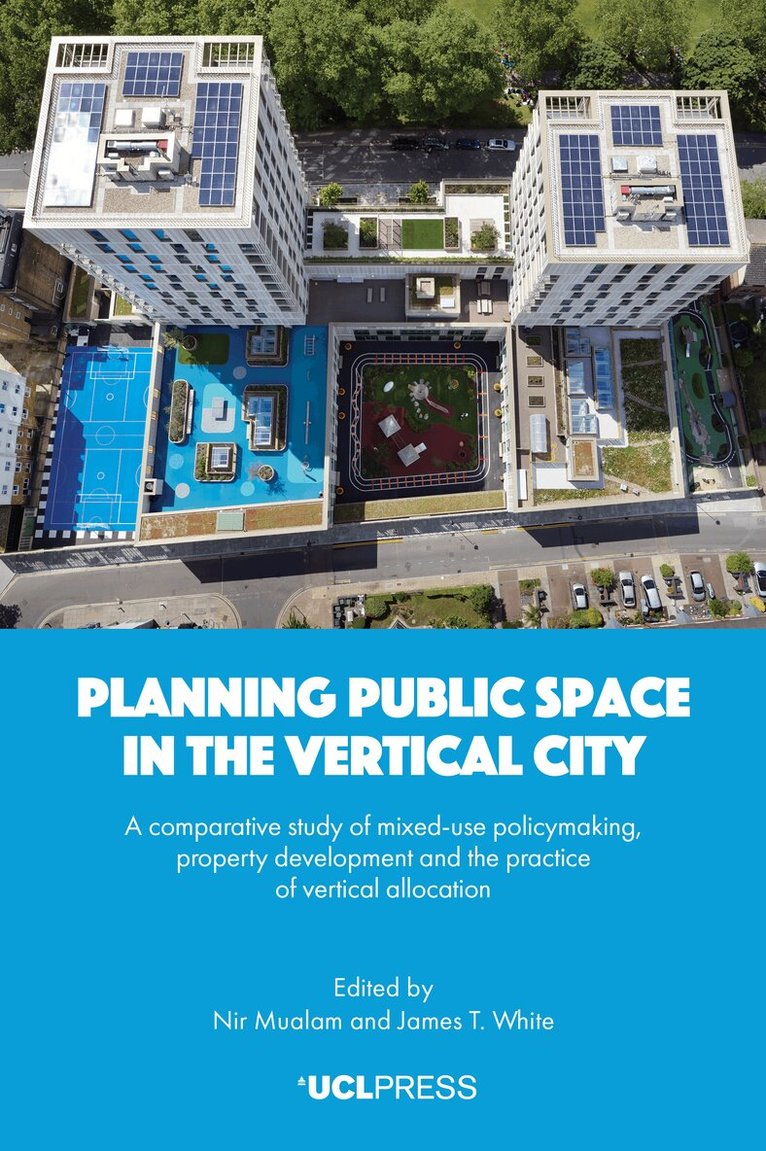
Planning Public Space in the Vertical City asks a deceptively simple question: what happens when public life is stacked inside private buildings? Bringing together 11 original case studies from London, Zurich, Munich, Brussels, Istanbul, Tel Aviv, Toronto, São Paulo, Tokyo, Seoul and Adelaide, it traces how schools, daycares, homeless shelters, clinics, parks, bus terminals and community hubs are woven into high-value mixed-use projects through the co-location of public floorspace in mixed development, known as ‘vertical allocation’.
Moving from theory to practice, the book unpacks the political economy behind these projects: value capture tools, density bonuses, long-term ground leases, negotiated obligations and creative public–private–non-profit partnerships. It looks closely at ownership and management arrangements, conflicts over access and costs and the shifting ‘publicness’ of spaces that function as urban commons. Rather than celebrating verticality uncritically, the volume foregrounds questions of equity, exclusion and asks who really benefits when public services are interwoven with private development. For planners, urban designers, lawyers, policymakers and scholars, it offers a rare comparative framework, conceptual language and concrete design and governance lessons for making vertically mixed cities more just, legible and accessible.
445 kr
Skickas inom 11-20 vardagar
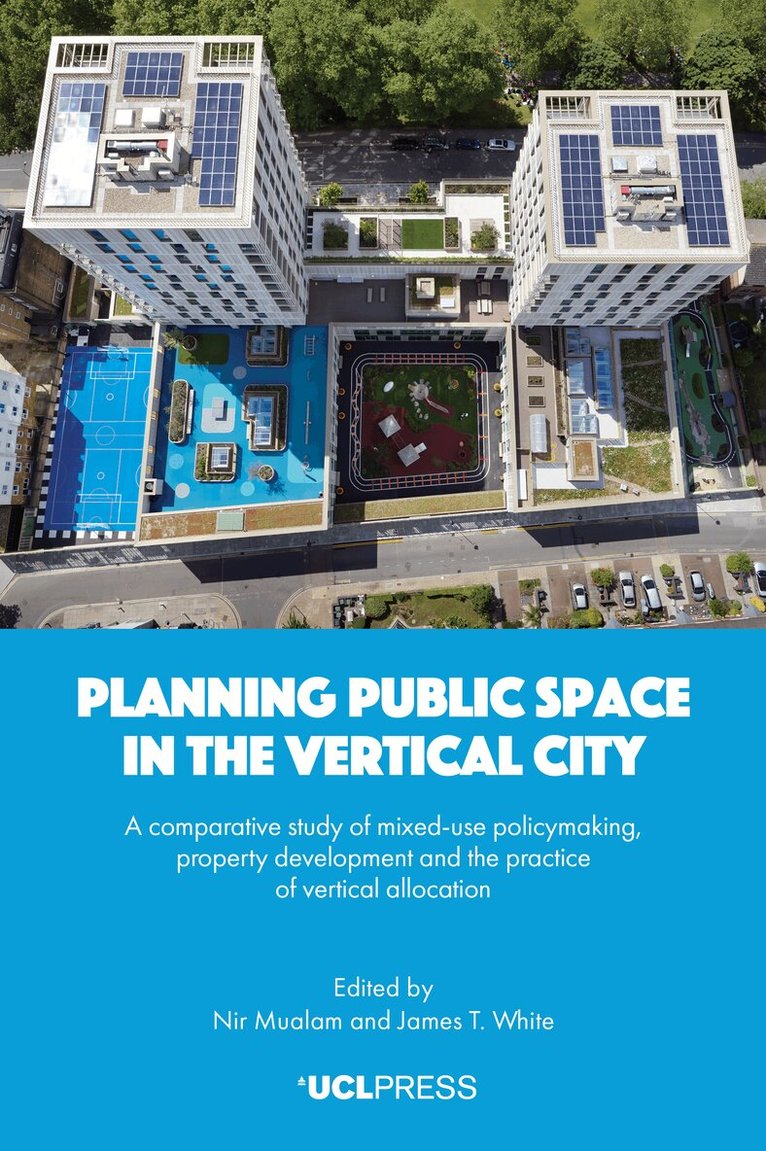
Planning Public Space in the Vertical City asks a deceptively simple question: what happens when public life is stacked inside private buildings? Bringing together 11 original case studies from London, Zurich, Munich, Brussels, Istanbul, Tel Aviv, Toronto, São Paulo, Tokyo, Seoul and Adelaide, it traces how schools, daycares, homeless shelters, clinics, parks, bus terminals and community hubs are woven into high-value mixed-use projects through the co-location of public floorspace in mixed development, known as ‘vertical allocation’.
Moving from theory to practice, the book unpacks the political economy behind these projects: value capture tools, density bonuses, long-term ground leases, negotiated obligations and creative public–private–non-profit partnerships. It looks closely at ownership and management arrangements, conflicts over access and costs and the shifting ‘publicness’ of spaces that function as urban commons. Rather than celebrating verticality uncritically, the volume foregrounds questions of equity, exclusion and asks who really benefits when public services are interwoven with private development. For planners, urban designers, lawyers, policymakers and scholars, it offers a rare comparative framework, conceptual language and concrete design and governance lessons for making vertically mixed cities more just, legible and accessible.