Memory Work studies how Jewish children of Holocaust survivors from the English-speaking diaspora explore the past in literary texts. By identifying areas where memory manifests - Objects, Names, Bodies, Food, Passover, 9/11 it shows how the Second Generation engage with the pre-Holocaust family and their parents' survival.
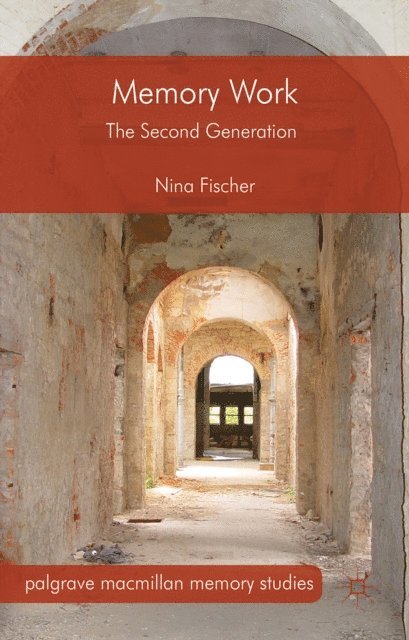
Memory Work studies how Jewish children of Holocaust survivors from the English-speaking diaspora explore the past in literary texts. By identifying areas where memory manifests - Objects, Names, Bodies, Food, Passover, 9/11 it shows how the Second Generation engage with the pre-Holocaust family and their parents'' survival.
Examining the works of prominent New Wave science fiction authors from the 1950-1960s, Sang-Keun Yoo highlights the underexplored connection between American science fiction and Asian religions, such as Taoism, Buddhism, and Hinduism.The book considers how the major world wars of the 20th century—Second World War, the Cold War, and the Vietnam War— repositioned Asian culture in relation to the science fiction genre in the period.Underpinning this study, Sang-Keun Yoo argues that “Speculative Orientalism” emerged in American science fiction during the 1950s and 60s. This concept adopted various aspects of Asian religions to envision alternative worlds, unburdened by the constraints of colonialism, totalitarianism, racism, and sexism present in contemporary American society.Bringing fresh perspectives to the works of William S. Burroughs, Philip K. Dick, Ursula K. Le Guin and Samuel R. Delany, this book offers an insightful examination of the role of Asian religions in American science fiction and their impact on the genre's history.
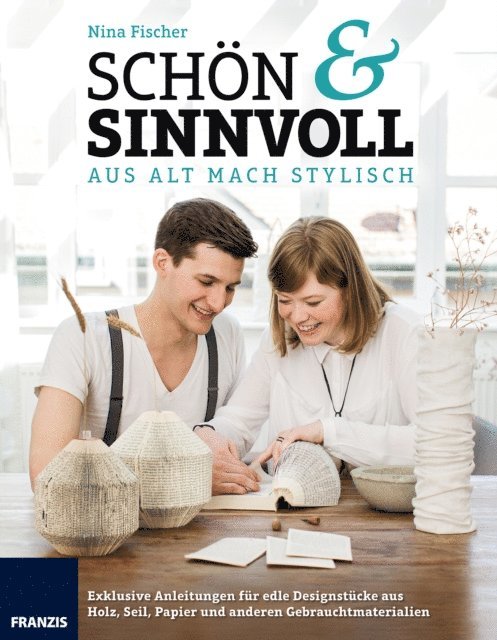
Exklusive Anleitungen für edle Designstücke aus Holz, Seil, Papier und anderen Gebrauchtmaterialien: Erhalten. Reparieren. Aufwerten. Veredeln! Upcycling ist der Trend in der Design-Branche. Doch was als Konzept nicht neu ist, wird von den Designern neu erfunden. Während bis jetzt der Fokus beim Schaffen neuer Dinge aus alten Gegenständen auf dem praktischen Nutzen lag, rückt nun die Ästhetik in den Vordergrund. Nina Fischer ist hauptberuflich Architektin, in ihrer Freizeit betreibt sie das Upcycling-Label "Nestbau". Damit möchte sie eine neue Nachhaltigkeit schaffen. Aus wenig glamourösen Dingen wie PET-Flasche, Fahrradschlauch oder Reagenzglas zaubert sie einzigartige Designerstücke. Ob Möbel, Haushaltsgegenstände oder Schmuck - den recycelten Kunstwerken sieht man ihre Herkunft nicht an. Die kreativen Anleitungen zu ihren schönsten Kunstwerken gibt Fischer in diesem vierfarbigen Buch. Große Abbildungen zeigen die Werke im Einsatz, präzise Bleistiftzeichnungen zeigen Schritt für Schritt die Vorgehensweise. Manchmal reicht es schon, einen Gegenstand in einen anderen Kontext zu setzen, um aus ihm ein Lieblingsstück zu machen. So bringt Nina Fischer dem Leser ihre Philosophie vom Erhalten, Reparieren, Aufwerten und Veredeln näher.
Die enge Verzahnung des Ausbildungs- und Beschäftigungssystems in Deutschland verleiht den berufsbildenden Schulen und den darin tätigen Personen eine Schlüsselfunktion. Denn den berufsbildenden Schulen kommt die Aufgabe zu, bei den Lernenden jene zukunftsfähigen Kompetenzen zu entwickeln, die heute und künftig in Wirtschaft und Gesellschaft von zentraler Bedeutung sind. Die insgesamt sechzehn Einzelbeiträge dieses Sammelwerkes geben einen Einblick in die Komplexität der Qualifizierung von Lehrkräften berufsbildender Schulen im Spannungsfeld von Hochschule und Schule. In vier thematischen Abschnitten fasst das Buch historische, allgemein berufspädagogische und fachdidaktische Beiträge sowie Beiträge zur Professionalisierung von Berufsschullehrer/Innen zusammen.