676 kr
Skickas inom 10-15 vardagar
676 kr
Skickas inom 10-15 vardagar
768 kr
Läs direkt efter köp
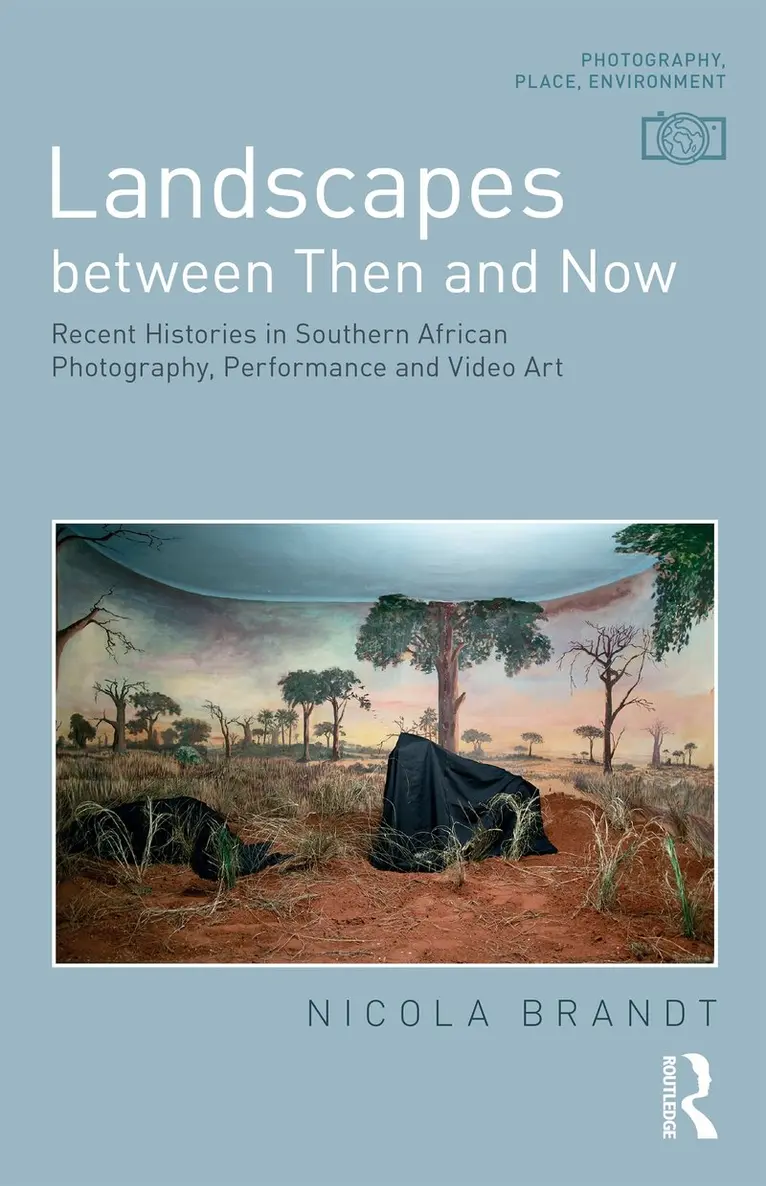
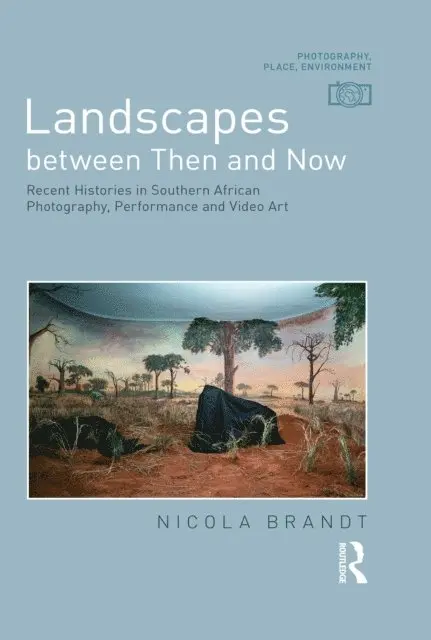
In Landscapes Between Then and Now, Nicola Brandt examines the increasingly compelling and diverse cross-disciplinary work of photographers and artists made during the transition from apartheid to post-apartheid and into the contemporary era.
By examining specific artworks made in South Africa, Namibia and Angola, Brandt sheds light on established and emerging themes related to aftermath landscapes, embodied histories, (un)belonging, spirituality and memorialization. She shows how landscape and identity are mutually constituted, and profiles this process against the background of the legacy of the acutely racially divisive policies of the apartheid regime that are still reflected on the land. As a signpost throughout the book, Brandt draws on the work of the renowned South African photographer Santu Mofokeng and his critical thinking about landscape.
Landscapes Between Then and Now explores how practitioners who engage with identity and their physical environment as a social product might reveal something about the complex and fractured nature of postcolonial and contemporary societies. Through diverse strategies and aesthetics, they comment on inherent structures and epistemologies of power whilst also expressing new and radical forms of self-determinism. Brandt asks why these cross-disciplinary works ranging from social documentary to experimental performance and embodied practices are critical now, and what important possibilities for social and political reflection and engagement they suggest.
768 kr
Läs direkt efter köp
In Landscapes Between Then and Now, Nicola Brandt examines the increasingly compelling and diverse cross-disciplinary work of photographers and artists made during the transition from apartheid to post-apartheid and into the contemporary era.
By examining specific artworks made in South Africa, Namibia and Angola, Brandt sheds light on established and emerging themes related to aftermath landscapes, embodied histories, (un)belonging, spirituality and memorialization. She shows how landscape and identity are mutually constituted, and profiles this process against the background of the legacy of the acutely racially divisive policies of the apartheid regime that are still reflected on the land. As a signpost throughout the book, Brandt draws on the work of the renowned South African photographer Santu Mofokeng and his critical thinking about landscape.
Landscapes Between Then and Now explores how practitioners who engage with identity and their physical environment as a social product might reveal something about the complex and fractured nature of postcolonial and contemporary societies. Through diverse strategies and aesthetics, they comment on inherent structures and epistemologies of power whilst also expressing new and radical forms of self-determinism. Brandt asks why these cross-disciplinary works ranging from social documentary to experimental performance and embodied practices are critical now, and what important possibilities for social and political reflection and engagement they suggest.
2 230 kr
Skickas inom 10-15 vardagar
716 kr
Skickas inom 7-10 vardagar
From German colonialism to the post-apartheid present, Brandts photographs present new views of Namibia that intertwine its many histories
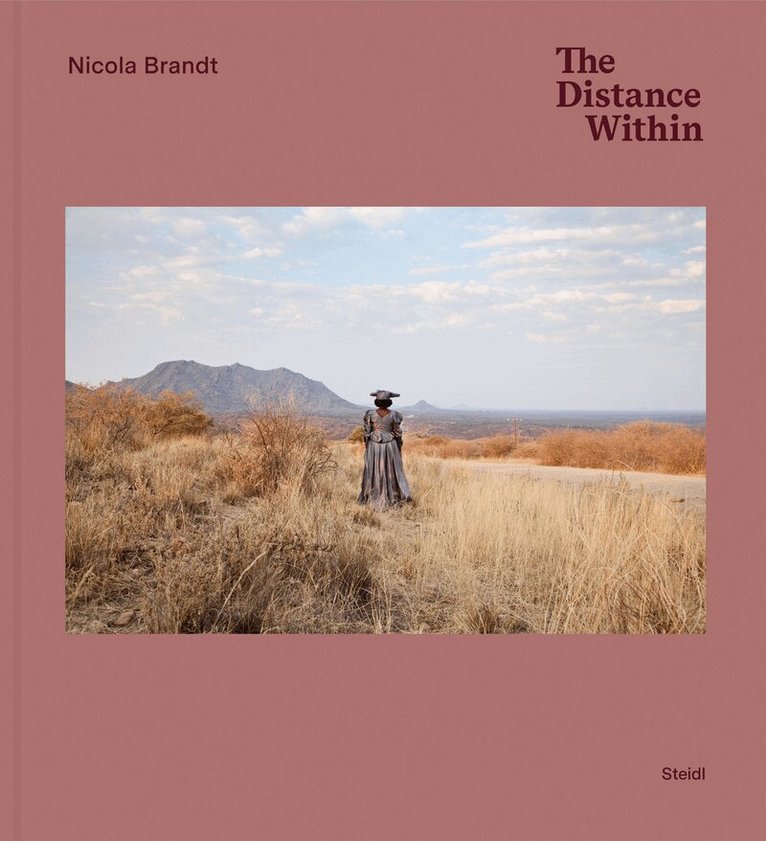
Featuring images and video stills made over more than a decade, The Distance Within reflects on photographer Nicola Brandts (born 1983) German and Namibian ancestry and deconstructs certain established ways of seeing Namibia. Brandt traveled the country extensively, documenting landscapes and people, structures and encounters, to reveal ensnared histories of German colonialism, National Socialism and apartheid. Markers of these histories range from the ephemeral and private, such as a dilapidated mound of stones as a roadside memorial, to official sites of remembrance and resistance, particularly for colonial atrocities. Alongside her images, Brandt assembles texts by scholars in photography, postcolonial cultures, memory and genocide studies, as well as archival material, to understand enduring blind spots. The result is an intersectional argument in favor of reclaiming suppressed Indigenous stories and identities, undoing romantic notions of whiteness and, ultimately, illuminating what has not been visible.