871 kr
Skickas inom 10-15 vardagar
871 kr
Skickas inom 10-15 vardagar
1 366 kr
Skickas inom 10-15 vardagar
1 234 kr
Skickas inom 10-15 vardagar
785 kr
Skickas inom 7-10 vardagar
1 027 kr
Läs direkt efter köp
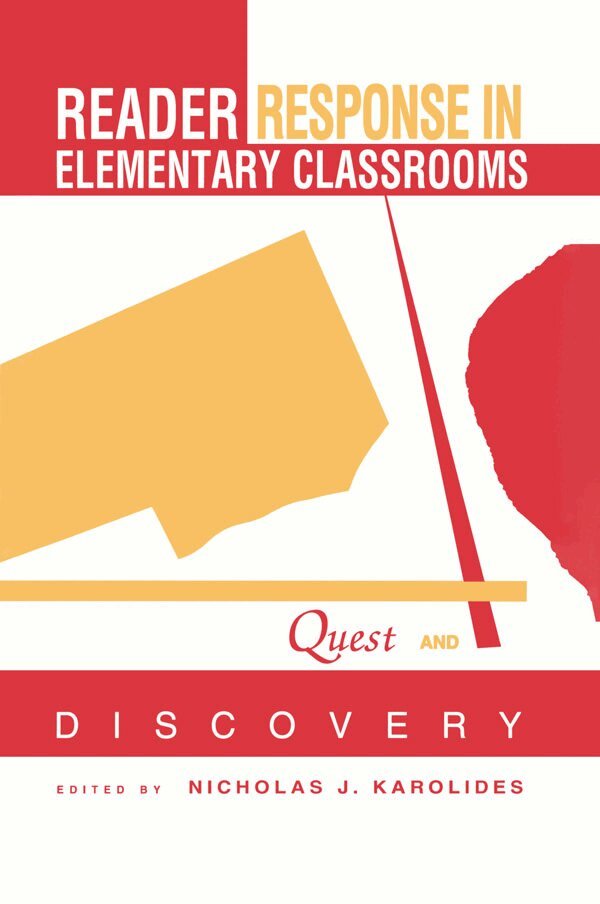
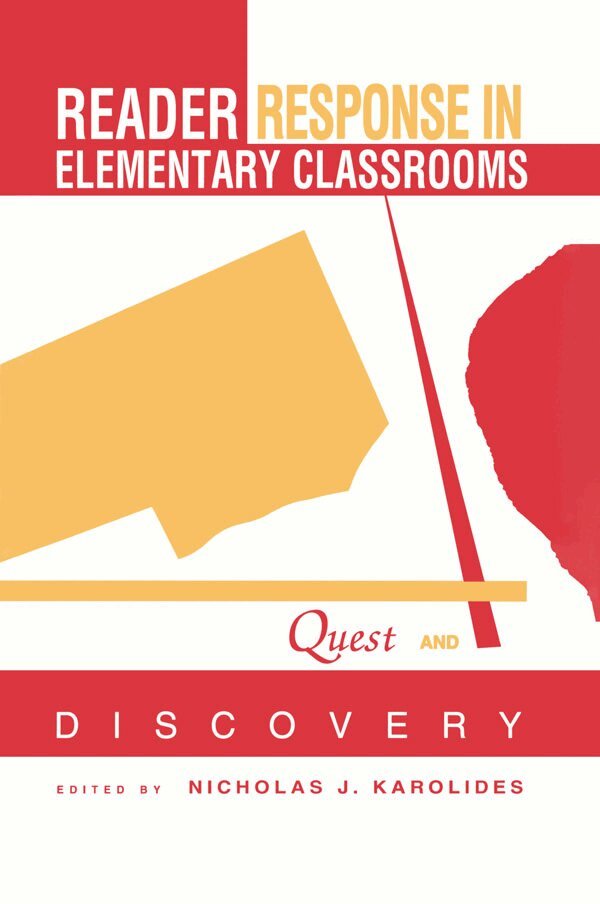
Reading is a quest. Likened to an adventure -- both metaphoric and real -- the quest is a journey of discovery. The reader''s search encompasses the sensations of the experience itself, accompanying emotions, sense and meaning engendered by the experience, and understandings of the self, others, and the world around. Out of curiosity, readers also search for an extensive array of information. The journey can be envisioned and contemplated again and again after the reading act itself is completed. In a meaningful way, the reader''s quest and its discoveries are life enduring and life fulfilling. The purpose of this volume is two-fold: * to establish and explore the essential features of reader response theory and its rendering of the reading process, and * to acknowledge a philosophy of teaching and to illustrate teaching strategies to evoke and enhance readers'' responses. Understanding the ways in which the reader affects the reading and how the reading happens will illuminate classroom pedagogy. This text establishes and explores the essential features of reader response theory and its rendering of the reading process. The essays acknowledge a philosophy of teaching and illustrate a spectrum of teaching strategies to evoke and enhance readers'' responses, including whole and small-group discussion; story drama; readers'' theatre; journal writing; scripts, letters, stories, and other writings; and "body punctuation." A case study format is used to illustrate these strategies in action in real classrooms.
1 027 kr
Läs direkt efter köp
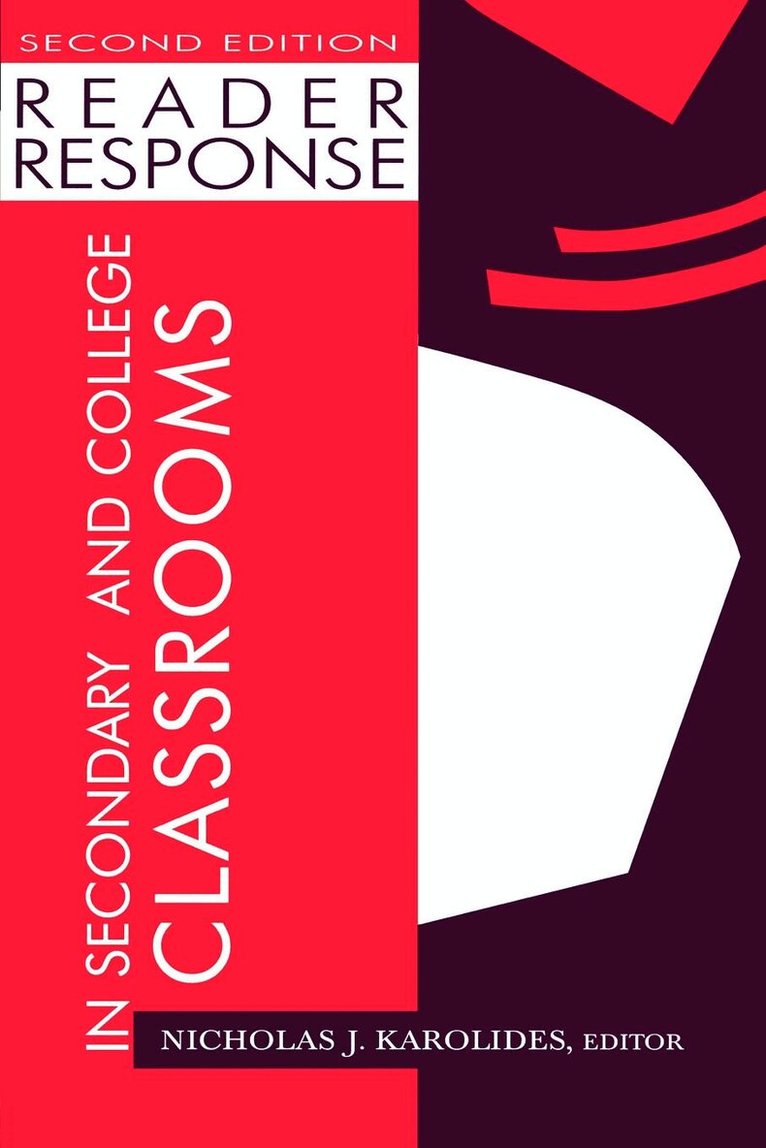
Reading is a quest. Likened to an adventure -- both metaphoric and real -- the quest is a journey of discovery. The reader''s search encompasses the sensations of the experience itself, accompanying emotions, sense and meaning engendered by the experience, and understandings of the self, others, and the world around. Out of curiosity, readers also search for an extensive array of information. The journey can be envisioned and contemplated again and again after the reading act itself is completed. In a meaningful way, the reader''s quest and its discoveries are life enduring and life fulfilling. The purpose of this volume is two-fold: * to establish and explore the essential features of reader response theory and its rendering of the reading process, and * to acknowledge a philosophy of teaching and to illustrate teaching strategies to evoke and enhance readers'' responses. Understanding the ways in which the reader affects the reading and how the reading happens will illuminate classroom pedagogy. This text establishes and explores the essential features of reader response theory and its rendering of the reading process. The essays acknowledge a philosophy of teaching and illustrate a spectrum of teaching strategies to evoke and enhance readers'' responses, including whole and small-group discussion; story drama; readers'' theatre; journal writing; scripts, letters, stories, and other writings; and "body punctuation." A case study format is used to illustrate these strategies in action in real classrooms.
1 363 kr
Läs direkt efter köp
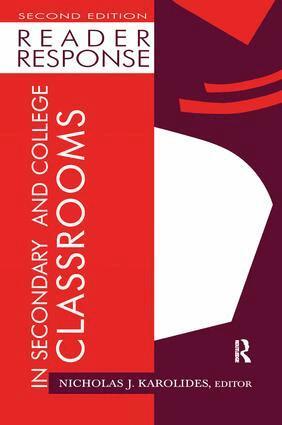
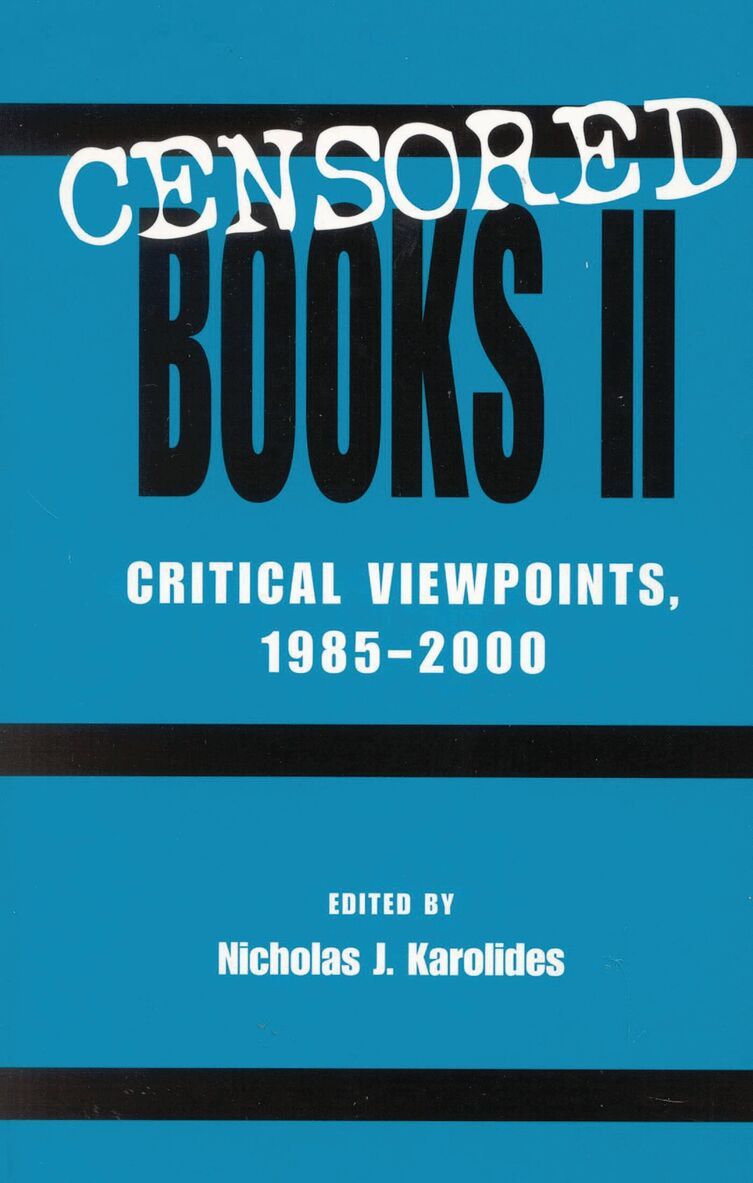
This text, based on Louise M. Rosenblatt''s transactional model of literature, focuses on the application of transactional reader-response theory in the classroom. It grows from frequent requests from secondary school and college teachers for teaching suggestions on how to put theory into practice. This is not a "What should I do on Monday?" cookbook, but an expression of the practice of theory in college and secondary school classrooms. The chapters portray a spectrum of strategies--including biopoems, expressive and imaginative writing, journal writing, readers'' theater, role playing, and unsent letters--using as examples individual works from several genres. Recognizing that teachers who may have been trained in other theories and methodologies may be hesitant about their quite different role and expectations in the reader-centered classroom, the authors provide stepping stones to develop readiness and confidence, suggestions, and insights to ease the transition to the transactional model of teaching and learning. Pedagogical features: * An explanatory introduction to each section defines its orientation and describes the content and direction of the chapters it contains. * Invitations elicit engagement of readers with concepts, attitudes, or strategies presented in the chapters; they invite readers, as individuals or members of a small group, to consider ideas or to practice a strategy, among other activities, in order to enhance understandings. * A glossary defines key concepts and strategies discussed in the text. * A bibliography provides an extensive list of resources--books and journal articles--both theoretical and applied. New in the second edition: * Six new chapters--three deal with the roles of film-as-literature in the English classroom, and three with enhancing multicultural understandings. * Updates and revisions to several chapters that appeared in the first edition. * Invitations, new in this edition, have been added to focus and expand readers'' thinking.
2 419 kr
Skickas inom 10-15 vardagar
2 996 kr
Skickas inom 10-15 vardagar
524 kr
Tillfälligt slut
267 kr
Tillfälligt slut
3 116 kr
Tillfälligt slut