716 kr
Skickas inom 10-15 vardagar
716 kr
Skickas inom 10-15 vardagar
1 137 kr
Läs direkt efter köp
1 137 kr
Läs direkt efter köp
1 781 kr
Skickas inom 7-10 vardagar
548 kr
Skickas inom 10-15 vardagar
774 kr
Läs direkt efter köp
411 kr
Läs direkt efter köp
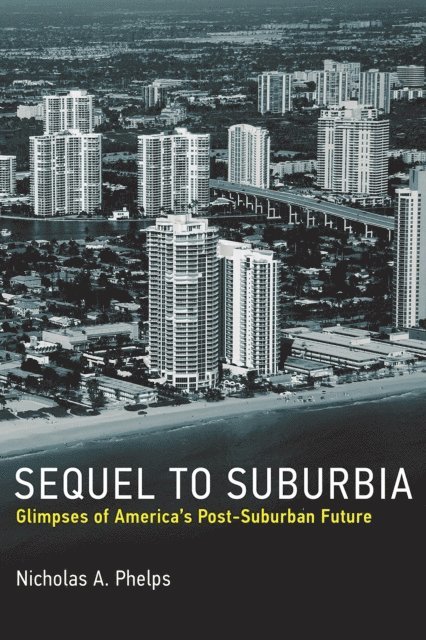
How the decentralized, automobile-oriented, and fuel-consuming model of American suburban development might change.
In the years after World War II, a distinctly American model for suburban development emerged. The expansive rings of outer suburbs that formed around major cities were decentralized and automobile oriented, an embodiment of America''s postwar mass-production, mass-consumption economy. But alternate models for suburbia, including “transit-oriented development,” “smart growth,” and “New Urbanism,” have inspired critiques of suburbanization and experiments in post-suburban ways of living. In Sequel to Suburbia, Nicholas Phelps considers the possible post-suburban future, offering historical and theoretical context as well as case studies of transforming communities.
Phelps first locates these outer suburban rings within wider metropolitan spaces, describes the suburbs as a “spatial fix” for the postwar capitalist economy, and examines the political and governmental obstacles to reworking suburban space. He then presents three glimpses of post-suburban America, looking at Kendall-Dadeland (in Miami-Dade County, Florida), Tysons Corner (in Fairfax County, Virginia), and Schaumburg, Illinois (near Chicago). He shows Kendall-Dadeland to be an isolated New Urbanism success; describes the re-planning of Tysons Corner to include a retrofitted central downtown area; and examines Schaumburg''s position as a regional capital for Chicago''s northwest suburbs. As these cases show, the reworking of suburban space and the accompanying political process will not be left to a small group of architects, planners, and politicians. Post-suburban politics will have to command the approval of the residents of suburbia.

559 kr
Skickas inom 10-15 vardagar
1 974 kr
Skickas inom 10-15 vardagar
2 728 kr
Skickas inom 10-15 vardagar
745 kr
Skickas inom 10-15 vardagar
2 601 kr
Skickas inom 10-15 vardagar
653 kr
Läs direkt efter köp
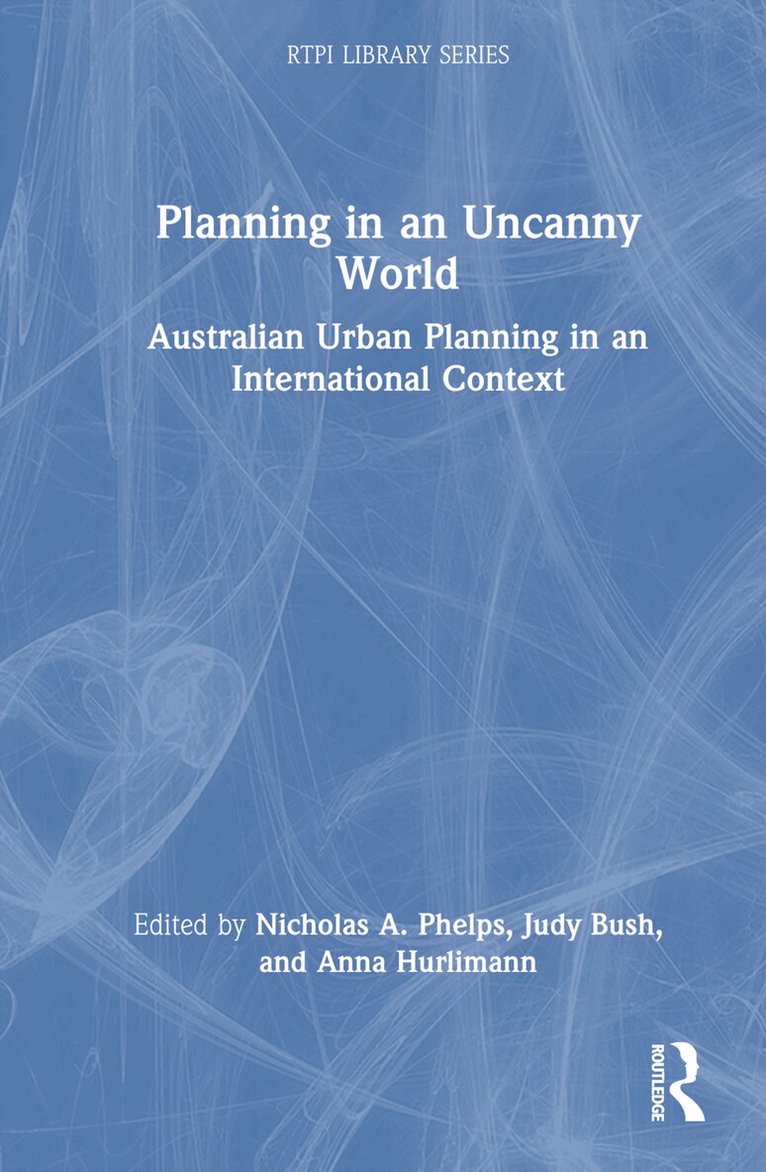
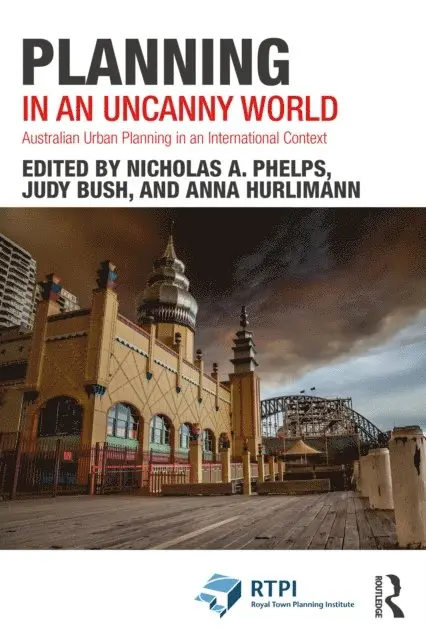
This book places Australian conditions and urban planning centrally within comparative analysis of planning systems and cultures around the world to address issues including urban governance, climate change, transportation planning, regional development and migration planning.
Australian urban conditions and their associated planning responses can and often have been seen as unique or exceptional. They are seldom discussed in the same breath as conditions and associated planning systems internationally. Yet, as well as being somewhat different from those elsewhere in the world, Australian urban conditions and planning responses are also somewhat similar. They are uncanny – strangely familiar yet unfamiliar. In this book, Australian urban conditions, and their planning policies and practices are informally compared and contrasted with those existing internationally. If Australian urban planning policy and practice have had limited influence internationally, the partial familiarity of challenges posed by its urban conditions ensure that Australia is a more important global reference point for scholarship and practice than commonly is appreciated.
In this book the authors assert the potential and actual originality of urban planning scholarship arising from the Australian context. It will be useful for students and faculty, planners working in Australia, as well as anyone interested in international planning debates.
2 602 kr
Skickas inom 10-15 vardagar
728 kr
Skickas inom 10-15 vardagar
3 762 kr
Kommande
767 kr
Läs direkt efter köp
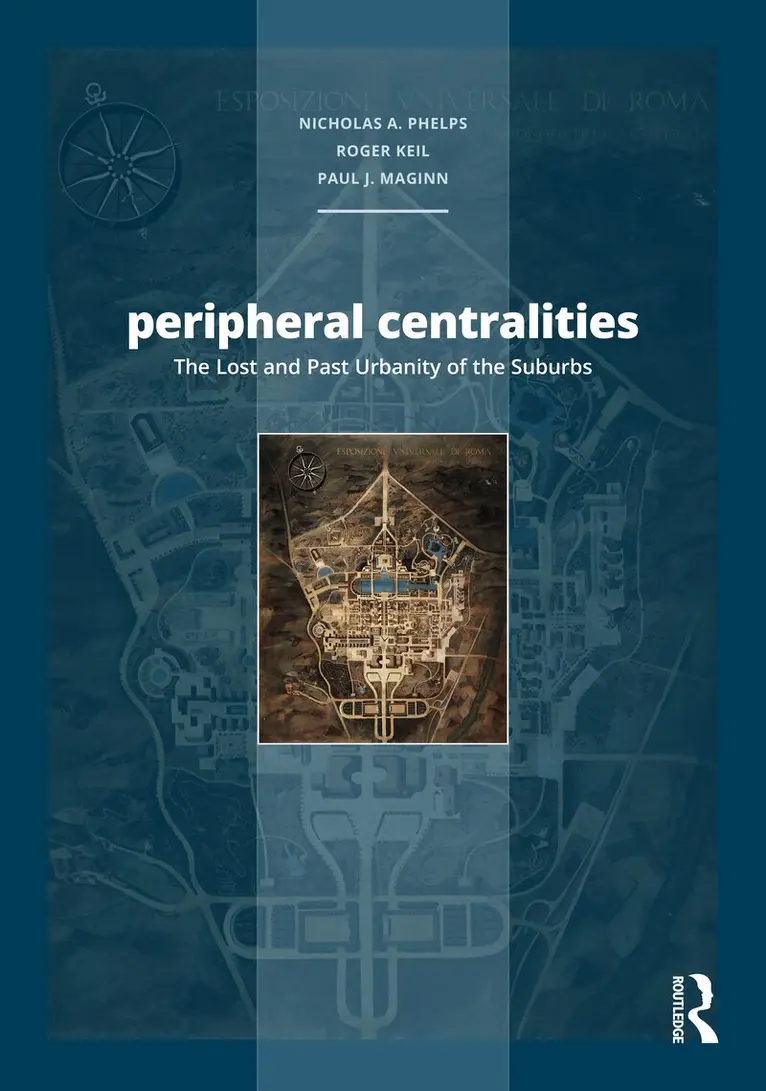
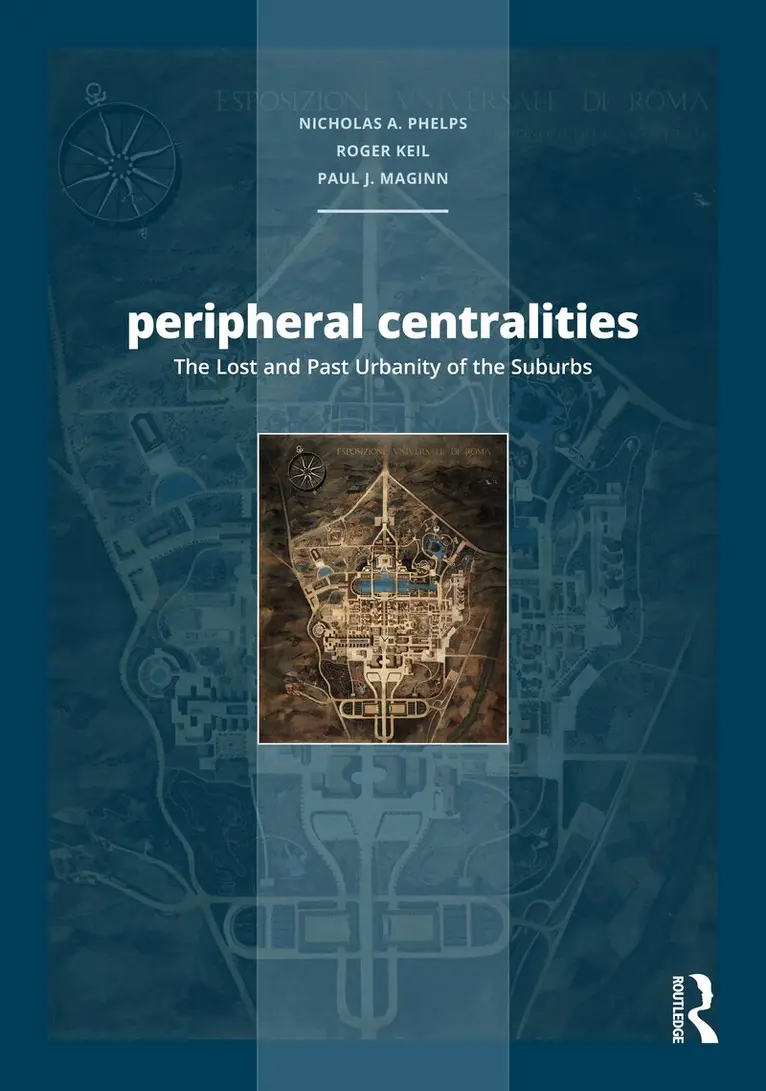
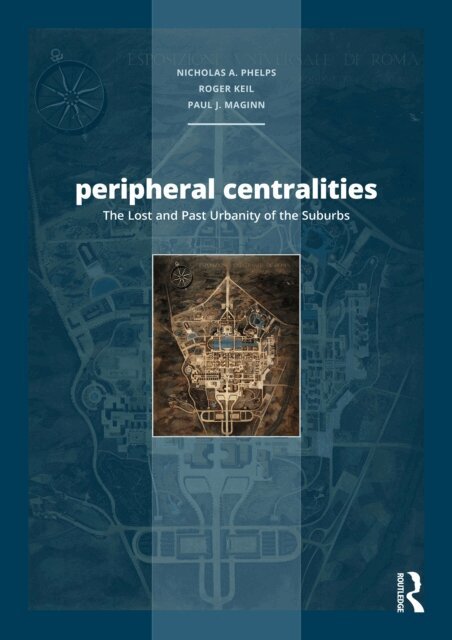
The term ‘peripheral centralities’ may seem something of an oxymoron and yet the spatial peripheries of cities have often been more central to urban development processes than is appreciated. To better understand the nature of peripheral centrality, Peripheral Centralities: The Lost and Past Urbanity of the Suburbs brings together a wide variety of examples of lost and forgotten peripheral centralities of different sizes, purpose, geographical location, and political complexion, dating from the first decades of the twentieth century to the present day. Following the introduction, two chapters provide broad overviews of peripheral centralities in international and national systems of centralities. The next four chapters look at plans from settings as different as Dublin and Shanghai that, for one reason or another, failed to materialize. The following eight chapters each describes cases where projects have been realized, ranging from peripheral townships in England to a Chinese steel city. To conclude the book, the editors highlight the themes revealed in the foregoing chapters and consider the part an appreciation of peripheral centralities might play in the development of urban theory from the outside in.
762 kr
Läs direkt efter köp
The term ‘peripheral centralities’ may seem something of an oxymoron and yet the spatial peripheries of cities have often been more central to urban development processes than is appreciated. To better understand the nature of peripheral centrality, Peripheral Centralities: The Lost and Past Urbanity of the Suburbs brings together a wide variety of examples of lost and forgotten peripheral centralities of different sizes, purpose, geographical location, and political complexion, dating from the first decades of the twentieth century to the present day. Following the introduction, two chapters provide broad overviews of peripheral centralities in international and national systems of centralities. The next four chapters look at plans from settings as different as Dublin and Shanghai that, for one reason or another, failed to materialize. The following eight chapters each describes cases where projects have been realized, ranging from peripheral townships in England to a Chinese steel city. To conclude the book, the editors highlight the themes revealed in the foregoing chapters and consider the part an appreciation of peripheral centralities might play in the development of urban theory from the outside in.
883 kr
Läs direkt efter köp
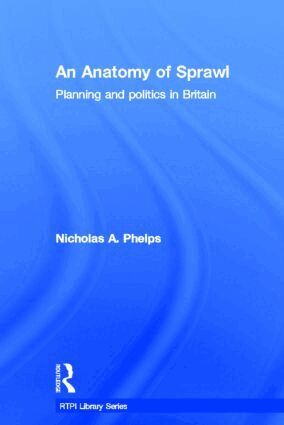
Despite the combined efforts of British planners, politicians, the public and interest groups, the ‘Solent City’ stands as one of a number of instances of a peculiar instance of urban sprawl – muted, and slow to emerge – yet produced paradoxically by very strong interests in promoting conservation and restraint.
This unique and valuable case study, while focusing on the planning and development of South Hampshire in particular, enables an in-depth study of the issues surrounding planning strategies with regards to growing populations.
864 kr
Läs direkt efter köp
Despite the combined efforts of British planners, politicians, the public and interest groups, the ‘Solent City’ stands as one of a number of instances of a peculiar instance of urban sprawl – muted, and slow to emerge – yet produced paradoxically by very strong interests in promoting conservation and restraint.
This unique and valuable case study, while focusing on the planning and development of South Hampshire in particular, enables an in-depth study of the issues surrounding planning strategies with regards to growing populations.
776 kr
Skickas inom 10-15 vardagar
3 083 kr
Skickas inom 10-15 vardagar
877 kr
Läs direkt efter köp
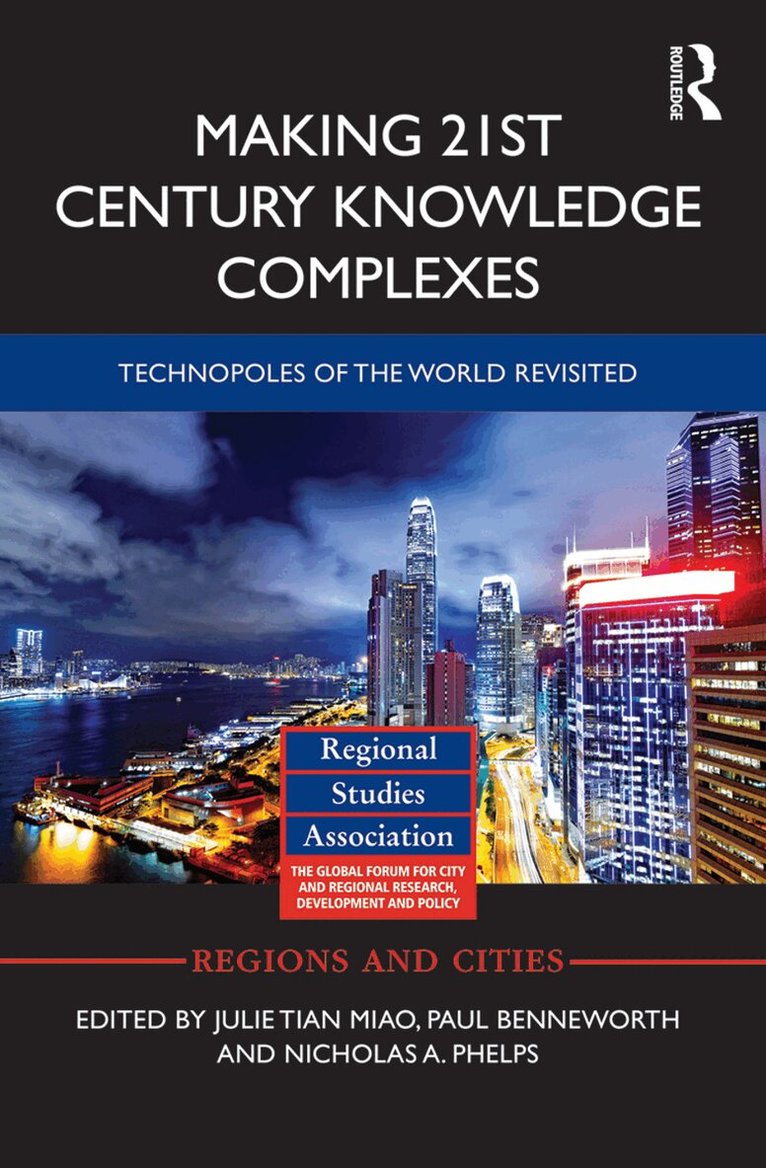
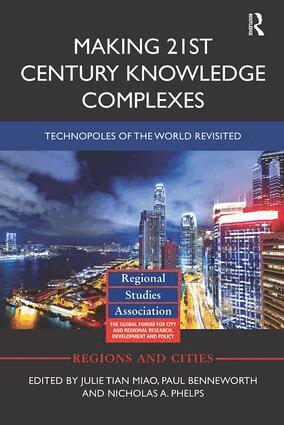
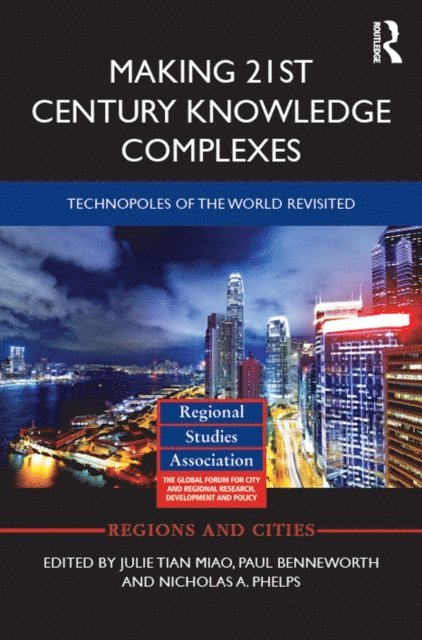
The world has changed profoundly since the publication of the influential book Technopoles of the World. As policy-makers and practitioners attempt to harness science, technology and innovation to create dynamic and vibrant cities many wonder how relevant Manuel Castells and Peter Hall''s messages are today. Twenty years later, this book returns to their concepts and practices to update their message for the 21st century.
Making 21st Century Knowledge Complexes: Technopoles of the World Revisited argues that the contemporary technopole concept encompasses three new dimensions. Firstly, building synergy between partners is vital for the success of complexes. Secondly, the correct governance arrangements are critical to balance competing interests inevitable in any science city project. Thirdly, new evaluation mechanisms are indispensable in allowing policy-makers to steer their long-term benefits.
Through twelve case study chapters and a detailed comparative analysis, this book provides academics, policy-makers and practitioners with critical insights in understanding, managing and promoting today''s high-technology urban complexes.
883 kr
Läs direkt efter köp
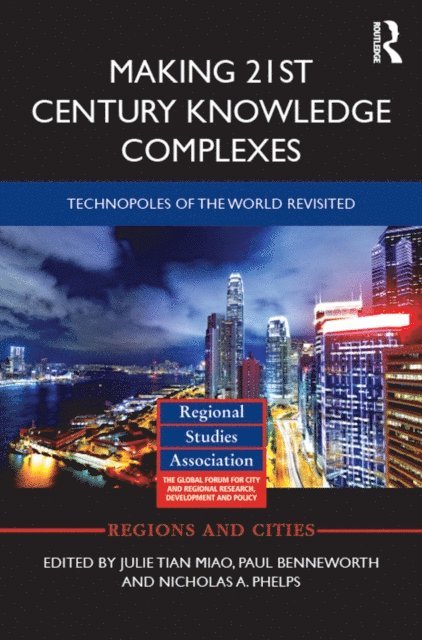
The world has changed profoundly since the publication of the influential book Technopoles of the World. As policy-makers and practitioners attempt to harness science, technology and innovation to create dynamic and vibrant cities many wonder how relevant Manuel Castells and Peter Hall''s messages are today. Twenty years later, this book returns to their concepts and practices to update their message for the 21st century.
Making 21st Century Knowledge Complexes: Technopoles of the World Revisited argues that the contemporary technopole concept encompasses three new dimensions. Firstly, building synergy between partners is vital for the success of complexes. Secondly, the correct governance arrangements are critical to balance competing interests inevitable in any science city project. Thirdly, new evaluation mechanisms are indispensable in allowing policy-makers to steer their long-term benefits.
Through twelve case study chapters and a detailed comparative analysis, this book provides academics, policy-makers and practitioners with critical insights in understanding, managing and promoting today''s high-technology urban complexes.
549 kr
Skickas inom 10-15 vardagar
486 kr
Läs direkt efter köp
489 kr
Läs direkt efter köp
381 kr
Skickas inom 7-10 vardagar
904 kr
Skickas inom 7-10 vardagar