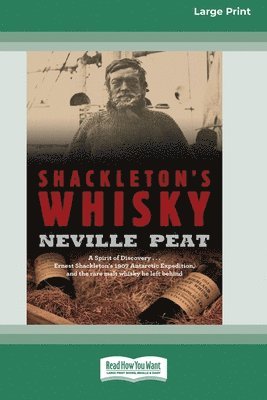
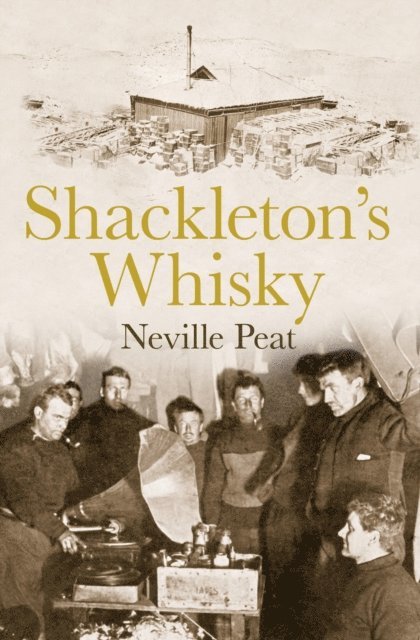
Sir Ernest Shackleton could never have imagined his name being closely associated with whisky, certainly not in the title of a book. Rarely did he consume strong drink. On his expeditions, he tolerated a ‘mild spree’ at times of celebration. But that was all. Drinking to excess appalled him. From an early age, growing up in a teetotal home, he was wary of alcohol. How, then, must he have felt about signing an order for twenty-five cases of whisky — 300 bottles — for his 1907–09 British Antarctic Expedition?Shackleton’s Whisky follows the story of the Rare Old Highland Whisky taken south on his Nimrod expedition. It celebrates the extraordinary achievements of men exploring an extraordinary place. It dips into the human-interest stories of polar life in the ‘heroic era’ of Antarctic exploration. Shackleton once wrote of his interest in documenting ‘the little incidents that go to make up the sum of the day’s work, the humour and the weariness, the inside view of men on an expedition’. Here is one such account, based largely on what he wrote and said about the expedition and also on what the members of his expedition wrote, for most participants kept a diary or journal.Antarctic exploration and whisky, in their own way, are both steeped in history, maturity, endurance, character, and technology. Both have a worldwide following, millions of fans. Their pathways coincided on the British Antarctic Expedition 1907-09. With the recovery 100 years later of three cases of Scotch from icy entombment under the hut at Cape Royds and the subsequent return of three bottles to Scotland for sampling, analysis and a near-magical replication, the relationship of whisky and Antarctic exploration came sharply into focus, making a unique odyssey to the end of the Earth and back.
Summer, 1981. A youngish Neville Peat set out from Cape Reinga on his imported 10-speed bike 'Blue', aiming to cycle through small-town New Zealand from north to south, all the way to Stewart Island. The week before Easter, he reached his destination. He wrote a book about it, Detours: A journey through small-town New Zealand , which sold lots of copies and was broadcast on radio. Many times in the intervening years, usually on anniversaries of the journey -- ten years, fifteen years, twenty years -- he wished to try a repeat journey, but life held other challenges. Now, as a leading author and in the age of the personal computer and cell phone, a very different world, he has revisited many of the towns and regions, not on a bicycle, but by car. In Detours -- A generation on , he reflects once again on how small-town New Zealand is doing.
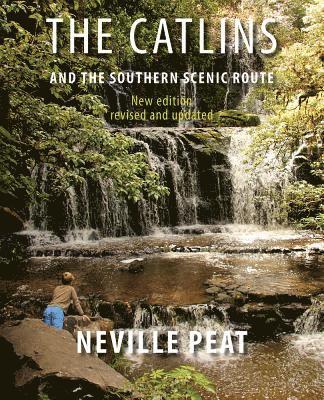
An out-of-the-way corner of the South Island, the Catlins is a beautiful and relatively unspoilt area with many natural attractions, including that rare thing on the east coast, native forest. Neville Peat introduces the region its flora, wildlife, bush walks, caves and waterfalls before tracing the journey along the stunning Southern Scenic Route linking Otago, Southland and Fiordland.
The mountain fastness is close enough to feel powerful but not claustrophobic ... The lake has a gleaming, softening presence ... There is a serene coherence to it all. Neville Peat describes the scenic splendour of Wanaka and the myriad activities and attractions for visitors in this updated edition of a book that serves as both a guide to one of New Zealands tourism hotspots, and as a souvenir. The book covers the history of the Wanaka area and its progress into a contemporary centre renowned for an exciting range of outdoor activities and regular events, including the internationally recognized Warbirds Over Wanaka air show. Further material offers a guide to local walking and cycling tracks, local flora and fauna, and Mt Aspiring National Park.
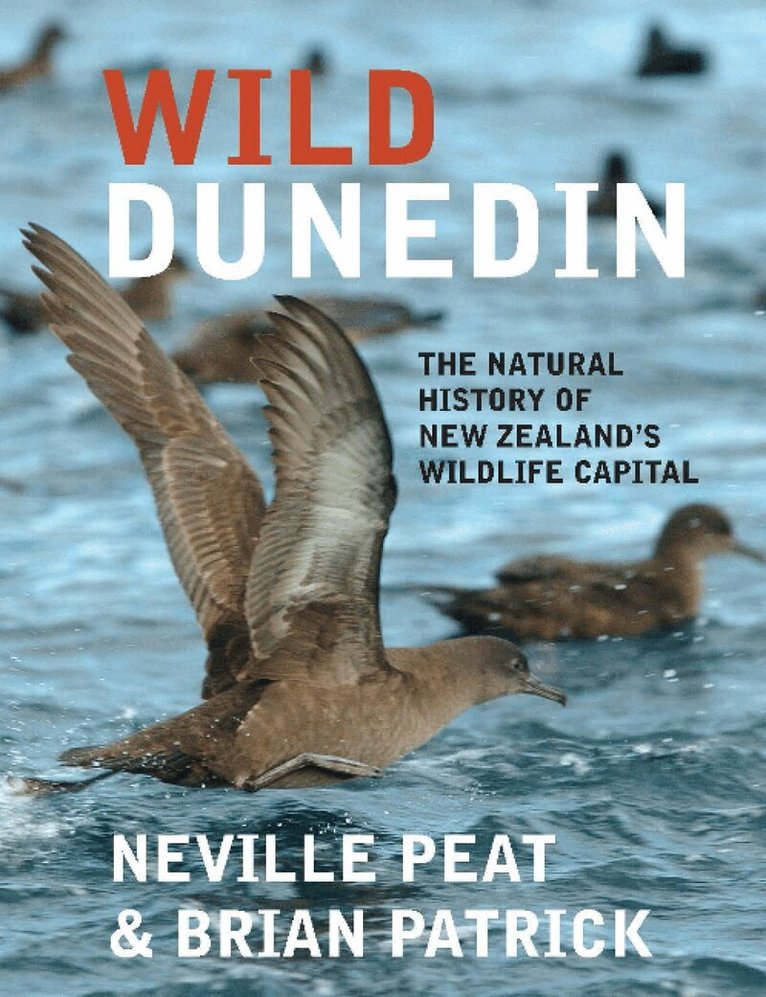
Dunedin city and its environs are home to an amazing range of habitats and landscapes, of plants, animals, birds, insects and geological features. From the ocean, with its albatrosses and penguins, to the high alpine zone of inland ranges, this book introduces a magnificent natural environment. This revised edition of Wild Dunedin includes new and updated information and stunning new images, including a look at the jewel in Dunedins natural history crown, Orokonui Ecosanctuary. An essential guide to the natural beauty of this stunning southern city.