217 kr
217 kr
371 kr
Skickas inom 7-10 vardagar
243 kr
Läs direkt efter köp
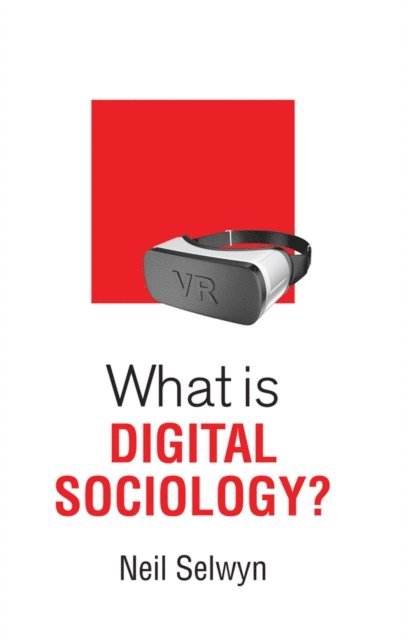
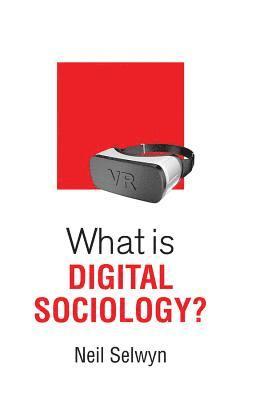
The rise of digital technology is transforming the world in which we live. Our digitalized societies demand new ways of thinking about the social, and this short book introduces readers to an approach that can deliver this: digital sociology.
Neil Selwyn examines the concepts, tools and practices that sociologists are developing to analyze the intersections of the social and the digital. Blending theory and empirical examples, the five chapters highlight areas of inquiry where digital approaches are taking hold and shaping the discipline of sociology today. The book explores key topics such as digital race and digital labor, as well as the fast-changing nature of digital research methods and diversifying forms of digital scholarship.
Designed for use in advanced undergraduate and graduate courses, this timely introduction will be an invaluable resource for all sociologists seeking to focus their craft and thinking toward the social complexities of the digital age.
209 kr
Skickas
211 kr
Skickas inom 7-10 vardagar
225 kr
Skickas inom 7-10 vardagar
416 kr
Skickas
596 kr
Skickas inom 10-15 vardagar
281 kr
Kommande
433 kr
Läs direkt efter köp
676 kr
Skickas inom 10-15 vardagar
2 455 kr
Skickas inom 10-15 vardagar
718 kr
Skickas inom 10-15 vardagar
2 426 kr
Skickas inom 10-15 vardagar
738 kr
Skickas inom 10-15 vardagar
2 455 kr
Skickas inom 10-15 vardagar
676 kr
Skickas inom 10-15 vardagar
2 455 kr
Skickas inom 10-15 vardagar
676 kr
Skickas inom 10-15 vardagar
2 682 kr
Skickas inom 10-15 vardagar
676 kr
Skickas inom 10-15 vardagar
640 kr
Läs direkt efter köp
635 kr
Läs direkt efter köp
620 kr
Skickas inom 7-10 vardagar
254 kr
Läs direkt efter köp
Digital technologies are a key feature of contemporary education. Schools, colleges and universities operate along high-tech lines, while alternate forms of online education have emerged to challenge the dominance of traditional institutions. According to many experts, the rapid digitization of education over the past ten years has undoubtedly been a ‘good thing’. Is Technology Good For Education? offers a critical counterpoint to this received wisdom, challenging some of the central ways in which digital technology is presumed to be positively affecting education. Instead Neil Selwyn considers what is being lost as digital technologies become ever more integral to education provision and engagement. Crucially, he questions the values, agendas and interests that stand to gain most from the rise of digital education. This concise, up-to-the-minute analysis concludes by considering alternate approaches that might be capable of rescuing and perhaps revitalizing the ideals of public education, while not denying the possibilities of digital technology altogether.
815 kr
Läs direkt efter köp
This engaging book sheds light on the ways in which adults in the twenty-first century interact with technology in different learning environments. Based on one of the first large-scale academic research projects in this area, the authors present their findings and offer practical recommendations for the use of new technology in a learning society. They invite debate on:
why ICTs are believed to be capable of affecting positive change in adult learning the drawbacks and limits of ICT in adult education what makes a lifelong learner the wider social, economic, cultural and political realities of the information age and the learning society.Adult Learning addresses key questions and provides a sound empirical foundation to the existing debate, highlighting the complex realities of the learning society and e-learning rhetoric. It tells the story of those who are excluded from the learning society, and offers a set of strong recommendations for practitioners, policy-makers, and politicians, as well as researchers and students.
836 kr
Läs direkt efter köp
This engaging book sheds light on the ways in which adults in the twenty-first century interact with technology in different learning environments. Based on one of the first large-scale academic research projects in this area, the authors present their findings and offer practical recommendations for the use of new technology in a learning society. They invite debate on:
why ICTs are believed to be capable of affecting positive change in adult learning the drawbacks and limits of ICT in adult education what makes a lifelong learner the wider social, economic, cultural and political realities of the information age and the learning society.Adult Learning addresses key questions and provides a sound empirical foundation to the existing debate, highlighting the complex realities of the learning society and e-learning rhetoric. It tells the story of those who are excluded from the learning society, and offers a set of strong recommendations for practitioners, policy-makers, and politicians, as well as researchers and students.
786 kr
Läs direkt efter köp
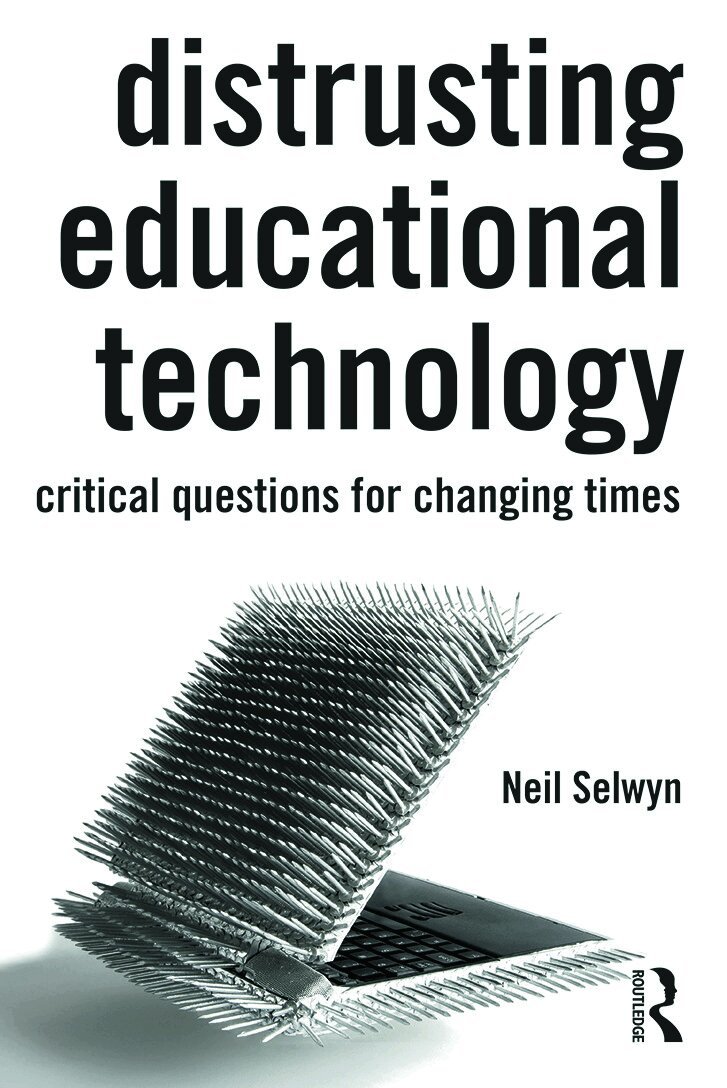
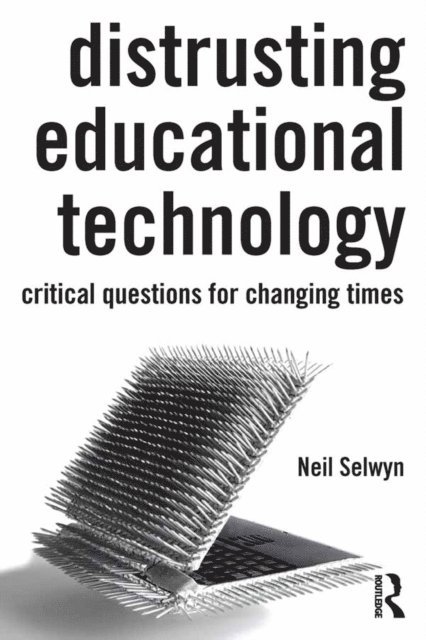
Distrusting Educational Technology critically explores the optimistic consensus that has arisen around the use of digital technology in education. Drawing on a variety of theoretical and empirical perspectives, this book shows how apparently neutral forms of educational technology have actually served to align educational provision and practices with neo-liberal values, thereby eroding the nature of education as a public good and moving it instead toward the individualistic tendencies of twenty-first century capitalism.
Following a wide-ranging interrogation of the ideological dimensions of educational technology, this book examines in detail specific types of digital technology in use in education today, including virtual education, ‘open’ courses, digital games, and social media. It then concludes with specific recommendations for fairer forms of educational technology. An ideal read for anyone interested in the fast-changing nature of contemporary education, Distrusting Educational Technology comprises an ambitious and much-needed critique.
791 kr
Läs direkt efter köp
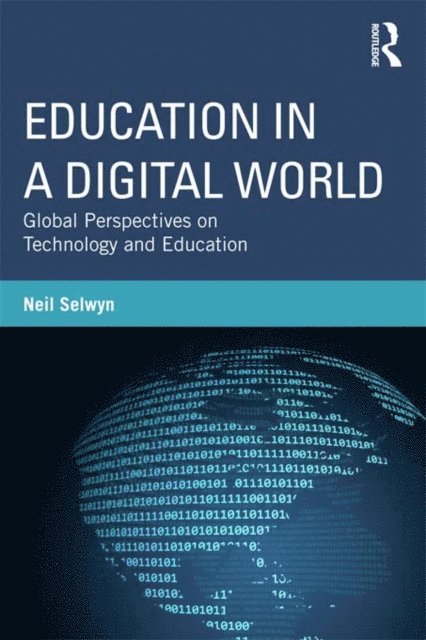
Drawing on a wealth of theoretical and empirical work, Education in a Digital World tackles a number of pressing questions, such as, how are ‘global’ trends in educational technology refracted through national policies and processes? How exactly are educational technologies linked to issues of global economics and the fortunes of national and international economies? To what extent are digital technologies implicated in the commercialisation, marketization and commodification of education?
These questions, and others, are addressed throughout eight wide-ranging chapters, which consider topics such as the national policy strategies of countries across North and South America, Europe and East Asia, the educational technology portfolios of international organizations such as the United Nations and Microsoft, as well as the role of education and technology in international development and the on-going efforts to provide ‘one laptop per child’ across low-income regions and countries. Through these examples Selwyn develops a detailed analysis of education, technology and globalisation, drawing together arguments and debates from various academic perspectives. Written in a detailed but accessible manner, this is an essential book for anyone wishing to gain a better understanding of the role of education and technology in contemporary globalised society.