165 kr
Skickas
165 kr
Skickas
165 kr
Skickas
262 kr
Tillfälligt slut
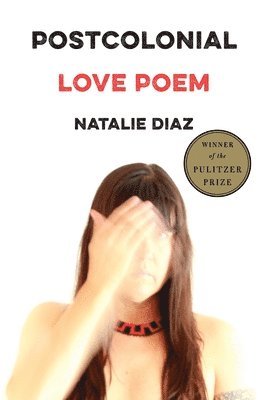
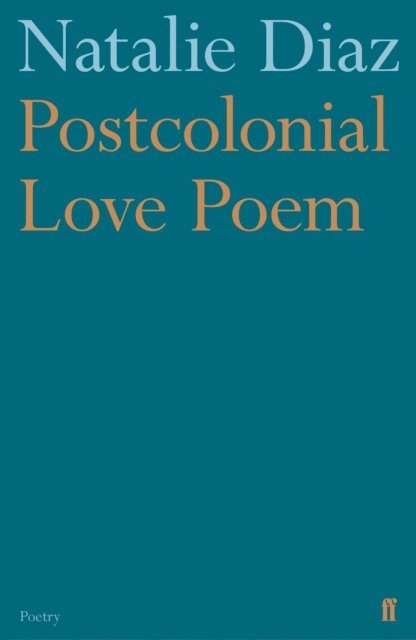
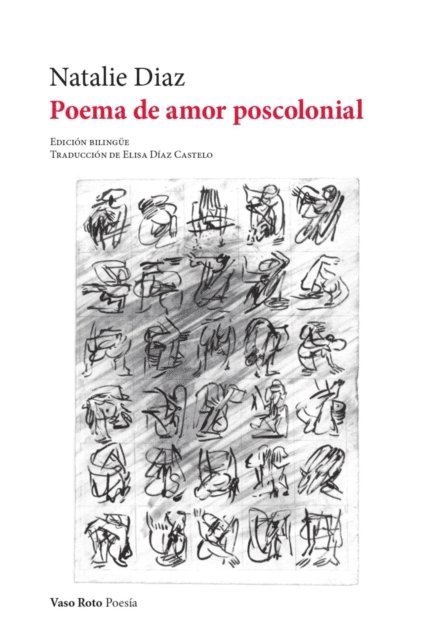
I Postkolonial kärleksdikt utgår Natalie Diaz från ett amerikanskt ursprungsfolk som gör motstånd mot sin egen utplåning. Hon rör sig mellan missbrukande bröder och sagolika älskare, mellan ökennätter och fördämda floder. Genom boken rinner vattnet, den ursprungliga källan till liv, som inte går att särskilja från kroppen och vägrar varje försök till inhägnad. I mötet mellan tre språk – engelska, spanska och mojave – skriver Diaz en sorgsen och våldsam lovsång till queer kärlek i en grym samtid.
Natalie Diaz är född 1978 och växte upp i Fort Mojave Indian Village vid Coloradofloden i Kalifornien. Hon debuterade 2013 med När min bror var aztek och belönades med Pulitzerpriset för Postkolonial kärleksdikt. Diaz tillhör Gila-stammen, är tidigare basketproffs och en engagerad aktivist för mojavespråkets bevarande. Hon är även verksam som professor vid Arizona University och som lärare vid Yale.
238 kr
Tillfälligt slut
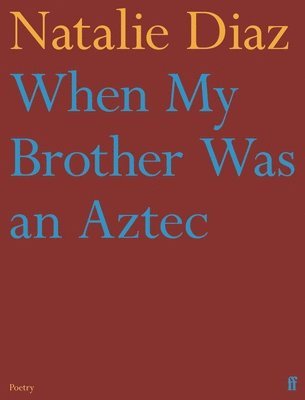
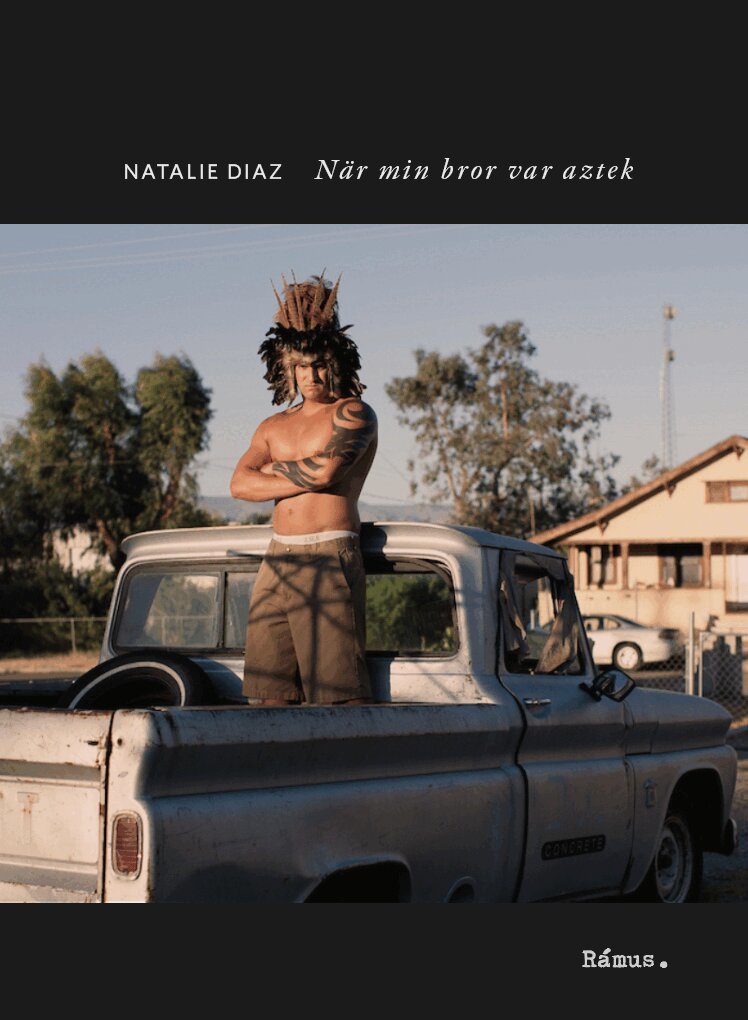
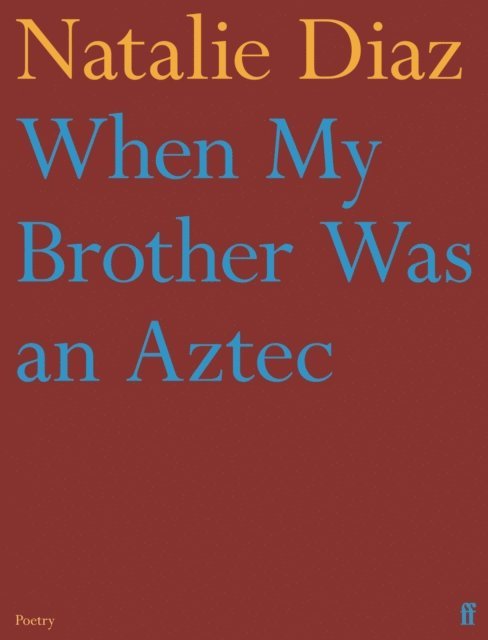
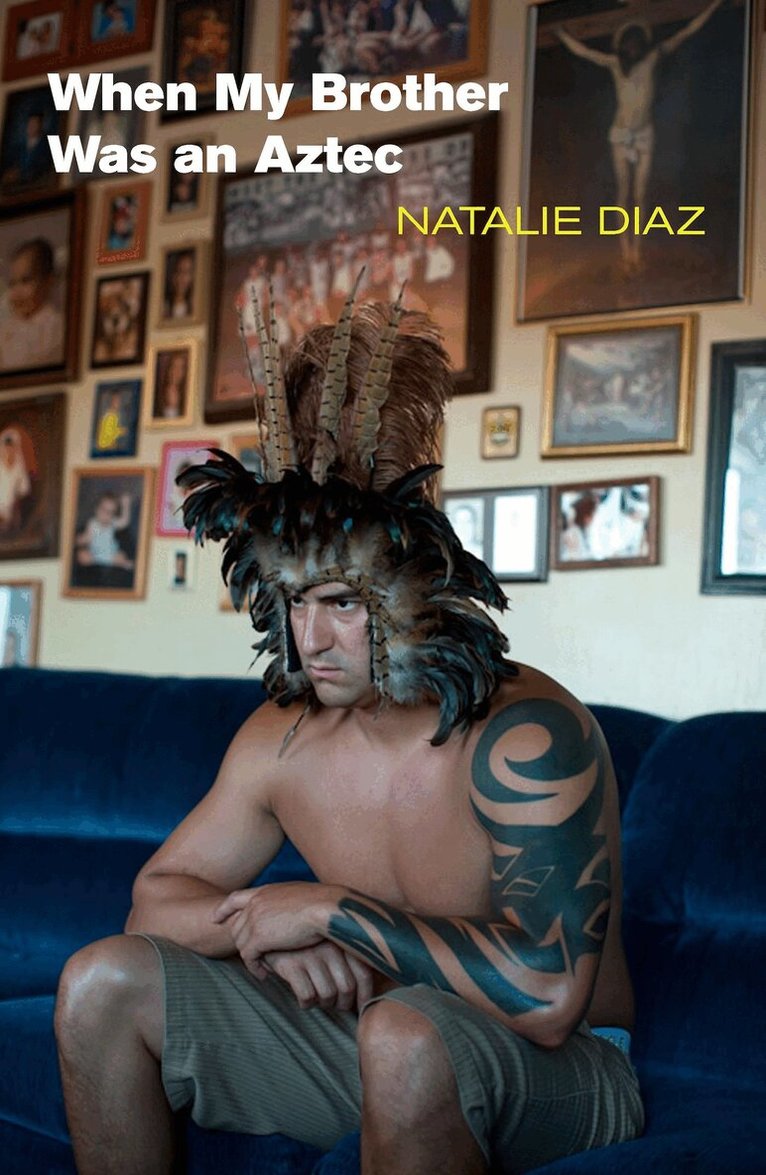
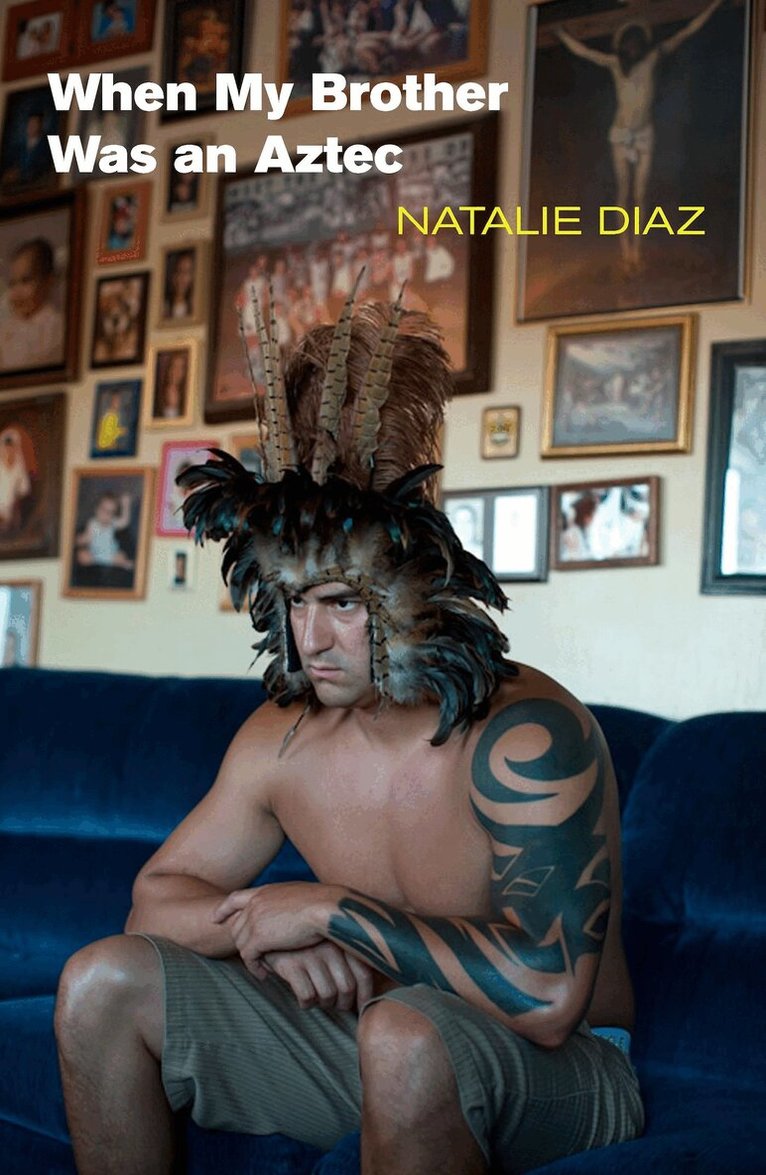
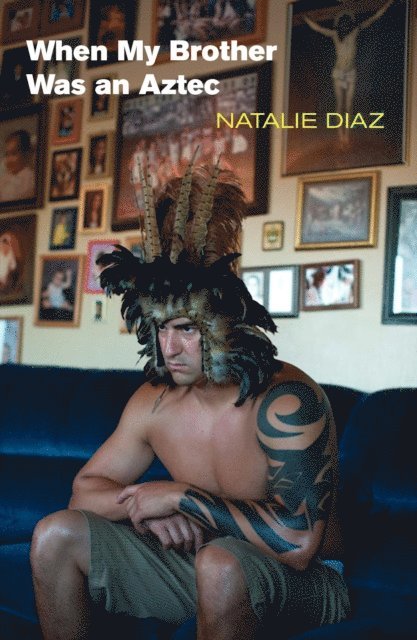
I När min bror var aztek skildrar Natalie Diaz förväntningarna och fördomarna som präglar uppväxten i reservat, och det fortsatta förtrycket av ursprungsamerikaner och kitschifieringen av deras kultur.
I översättning av Athena Farrokhzad och Adam Westman väver Diaz samman det politiska med det privata när hon med ett lika ömt som hårt språk fångar en krackelerande familjedynamik med en storebror fast i drogmissbruk, sida vid sida med tillgivna bilder av naturen, sexualiteten, familjebanden och mojavekulturen.
Natalie Diaz växte upp i Fort Mojave Indian Village i Kalifornien. Hon har studerat mojavespråket och dess sista talare och vid sidan av sitt universitetsarbete i Arizona arbetar hon med insatser för att rädda och stärka språket. Med När min bror var aztek gjorde hon lika uppmärksammad som hyllad debut i USA och boken har bland annat utsetts till en av 2010-talets tio bästa diktsamlingar.
243 kr
Skickas inom 7-10 vardagar
215 kr
Skickas
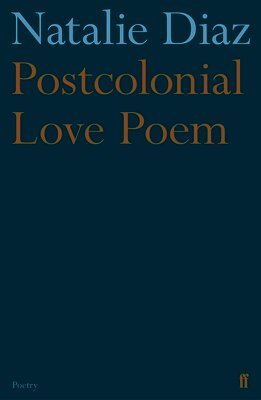
WINNER OF THE 2021 PULITZER PRIZE IN POETRYFINALIST FOR THE 2020 NATIONAL BOOK AWARD FOR POETRYNatalie Diaz’s highly anticipated follow-up to When My Brother Was an Aztec, winner of an American Book AwardPostcolonial Love Poem is an anthem of desire against erasure. Natalie Diaz’s brilliant second collection demands that every body carried in its pages—bodies of language, land, rivers, suffering brothers, enemies, and lovers—be touched and held as beloveds. Through these poems, the wounds inflicted by America onto an indigenous people are allowed to bloom pleasure and tenderness: “Let me call my anxiety, desire, then. / Let me call it, a garden.” In this new lyrical landscape, the bodies of indigenous, Latinx, black, and brown women are simultaneously the body politic and the body ecstatic. In claiming this autonomy of desire, language is pushed to its dark edges, the astonishing dunefields and forests where pleasure and love are both grief and joy, violence and sensuality. Diaz defies the conditions from which she writes, a nation whose creation predicated the diminishment and ultimate erasure of bodies like hers and the people she loves: “I am doing my best to not become a museum / of myself. I am doing my best to breathe in and out. // I am begging: Let me be lonely but not invisible.” Postcolonial Love Poem unravels notions of American goodness and creates something more powerful than hope—in it, a future is built, future being a matrix of the choices we make now, and in these poems, Diaz chooses love.
163 kr
Läs direkt efter köp
181 kr
Läs direkt efter köp
304 kr
Läs direkt efter köp
179 kr
Läs direkt efter köp
1 338 kr
Skickas inom 3-6 vardagar
293 kr
Skickas inom 3-6 vardagar
335 kr
Skickas inom 10-15 vardagar
269 kr
Skickas inom 7-10 vardagar
"I write hungry sentences," Natalie Diaz once explained in an interview, "because they want more and more lyricism and imagery to satisfy them." This debut collection is a fast-paced tour of Mojave life and family narrative: A sister fights for or against a brother on meth, and everyone from Antigone, Houdini, Huitzilopochtli, and Jesus is invoked and invited to hash it out. These darkly humorous poems illuminate far corners of the heart, revealing teeth, tails, and more than a few dreams.
I watched a lion eat a man like a piece of fruit, peel tendons from fascialike pith from rind, then lick the sweet meat from its hard core of bones.The man had earned this feast and his own deliciousness by ringing a stickagainst the lion's cage, calling out Here, Kitty Kitty, Meow!
With one swipe of a paw much like a catcher's mitt with fangs, the lionpulled the man into the cage, rattling his skeleton against the metal bars.
The lion didn't want to do it—He didn't want to eat the man like a piece of fruit and he told the crowdthis: I only wanted some goddamn sleep . . .
Natalie Diaz was born and raised on the Fort Mojave Indian Reservation in Needles, California. After playing professional basketball for four years in Europe and Asia, Diaz returned to the states to complete her MFA at Old Dominion University. She lives in Surprise, Arizona, and is working to preserve the Mojave language.
348 kr
Skickas inom 7-10 vardagar
"I write hungry sentences," Natalie Diaz once explained in an interview, "because they want more and more lyricism and imagery to satisfy them." This debut collection is a fast-paced tour of Mojave life and family narrative: A sister fights for or against a brother on meth, and everyone from Antigone, Houdini, Huitzilopochtli, and Jesus is invoked and invited to hash it out. These darkly humorous poems illuminate far corners of the heart, revealing teeth, tails, and more than a few dreams.
I watched a lion eat a man like a piece of fruit, peel tendons from fascialike pith from rind, then lick the sweet meat from its hard core of bones.The man had earned this feast and his own deliciousness by ringing a stickagainst the lion's cage, calling out Here, Kitty Kitty, Meow!
With one swipe of a paw much like a catcher's mitt with fangs, the lionpulled the man into the cage, rattling his skeleton against the metal bars.
The lion didn't want to do it—He didn't want to eat the man like a piece of fruit and he told the crowdthis: I only wanted some goddamn sleep . . .
Natalie Diaz was born and raised on the Fort Mojave Indian Reservation in Needles, California. After playing professional basketball for four years in Europe and Asia, Diaz returned to the states to complete her MFA at Old Dominion University. She lives in Surprise, Arizona, and is working to preserve the Mojave language.
204 kr
Skickas inom 7-10 vardagar
149 kr
Läs direkt efter köp
171 kr
Läs direkt efter köp
WINNER OF THE 2021 PULITZER PRIZE IN POETRYFINALIST FOR THE 2020 NATIONAL BOOK AWARD FOR POETRYNatalie Diaz’s highly anticipated follow-up to When My Brother Was an Aztec, winner of an American Book AwardPostcolonial Love Poem is an anthem of desire against erasure. Natalie Diaz’s brilliant second collection demands that every body carried in its pages—bodies of language, land, rivers, suffering brothers, enemies, and lovers—be touched and held as beloveds. Through these poems, the wounds inflicted by America onto an indigenous people are allowed to bloom pleasure and tenderness: “Let me call my anxiety, desire, then. / Let me call it, a garden.” In this new lyrical landscape, the bodies of indigenous, Latinx, black, and brown women are simultaneously the body politic and the body ecstatic. In claiming this autonomy of desire, language is pushed to its dark edges, the astonishing dunefields and forests where pleasure and love are both grief and joy, violence and sensuality. Diaz defies the conditions from which she writes, a nation whose creation predicated the diminishment and ultimate erasure of bodies like hers and the people she loves: “I am doing my best to not become a museum / of myself. I am doing my best to breathe in and out. // I am begging: Let me be lonely but not invisible.” Postcolonial Love Poem unravels notions of American goodness and creates something more powerful than hope—in it, a future is built, future being a matrix of the choices we make now, and in these poems, Diaz chooses love.
168 kr
Läs direkt efter köp
167 kr
Tillfälligt slut