375 kr
Skickas
375 kr
Skickas
365 kr
Skickas
Silent Knowledge explores a contemporary example of Indigenous cultural revival in Sápmi, the Sámi homeland, to investigate issues of embodied cultural memory.
Drawing on ethnographic fieldwork, Natalia Magnani follows a collaboration between Finnish builders and Sääʹm (Skolt Sámi) reindeer herders and fishers of northeastern Finland to build a traditional Petsamo root-sewn boat. As these makers adjust their environmental perceptions and relearn barely remembered root-sewing and woodworking techniques, their restoring of material production suggests a "loud" silent, or tacit, knowledge: uncodified skills and wisdom gained through experience that are socially meaningful and politically empowering.
Silent Knowledge unpacks the social and political dynamics of crafting cultural memory for future generations. Magnani demonstrates embodiment as transformation, showing that embodied practice can mediate tensions over who has the right to shape culture by positioning non-Indigenous participants in supporting roles, while keeping Indigenous people firmly at the centre of their own distinct history.
671 kr
Skickas inom 7-10 vardagar
504 kr
Läs direkt efter köp
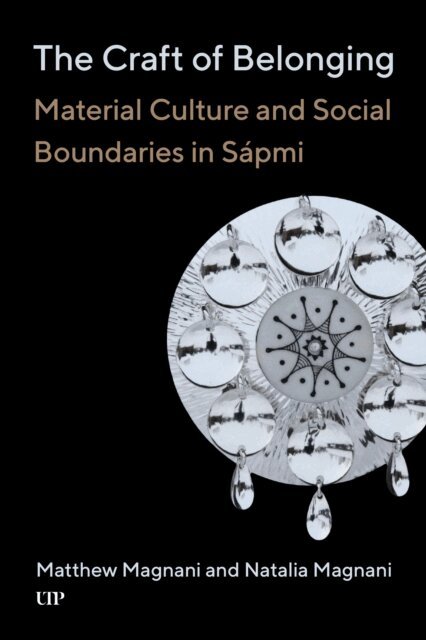
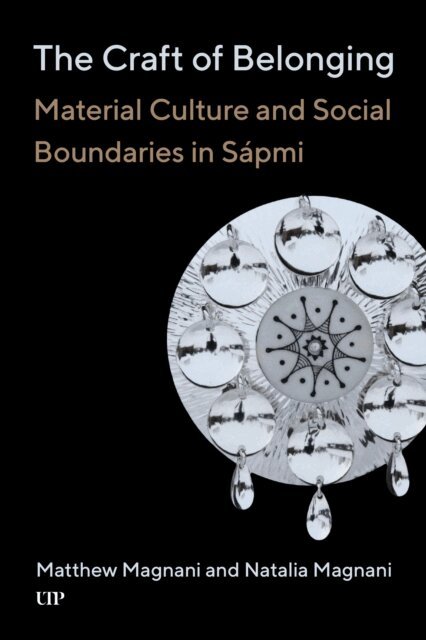
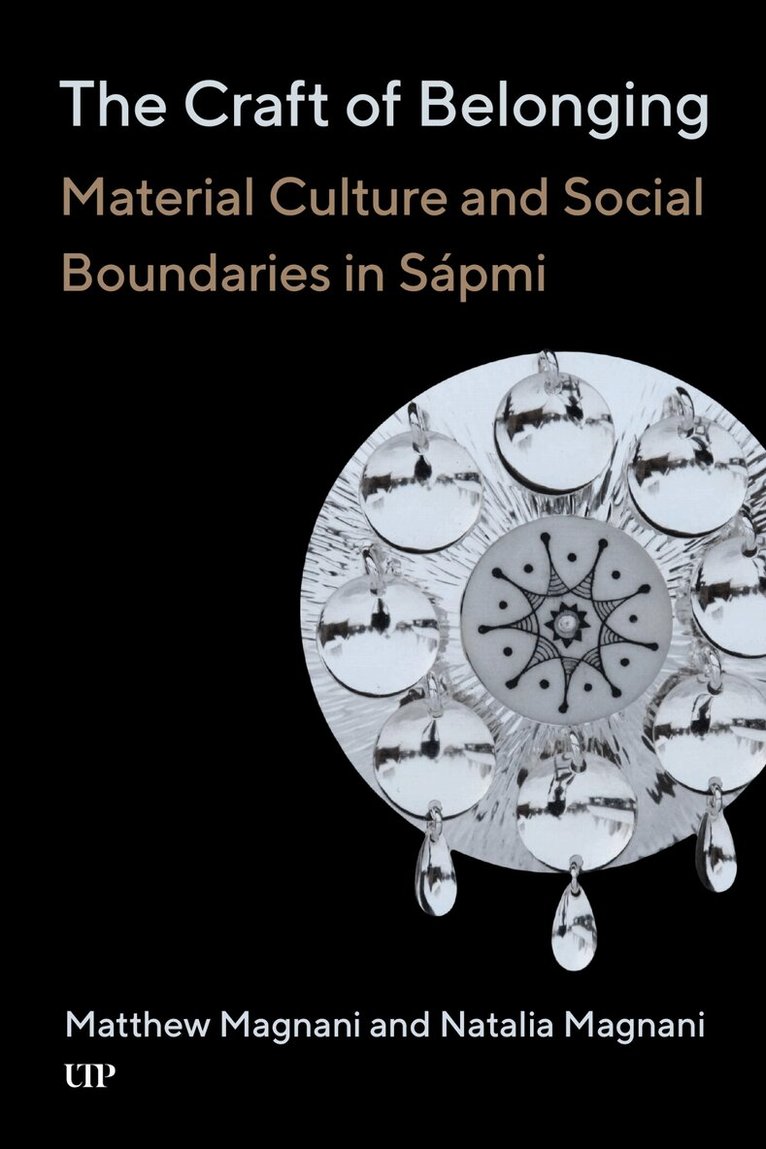
The Craft of Belonging explores the role of craft and its mediation of social boundaries, particularly in communities that are under state pressure. Anthropologists Matthew Magnani and Natalia Magnani blend anthropology and archaeology to explore the role of craft in community-making from prehistory to present with the Sámi, the Indigenous peoples of Northern Europe. Sápmi, the Sámi homeland, has sat at a material crossroads for millennia. Forests, tundras, and extended social networks offered raw materials autochthonous and imported. Wood, antler, cloth, and silver were crafted to cope with Arctic climates and state incursions. Integrating archaeological, ethnographic and Indigenous perspectives to reveal the transformative nature of material culture, The Craft of Belonging shows how long-term perspectives accentuate the shifting meanings and malleability of material social boundaries. Local agencies intersect with changing trade networks, colonialism and climate change, to resonate through the production, uses and signals of Sámi craft (duodji). This book thus contends that ancestral material cultures, far from static cultural domains, are innovative sites of social transformation used to assert rights to land, water, and community belonging.

500 kr
Läs direkt efter köp
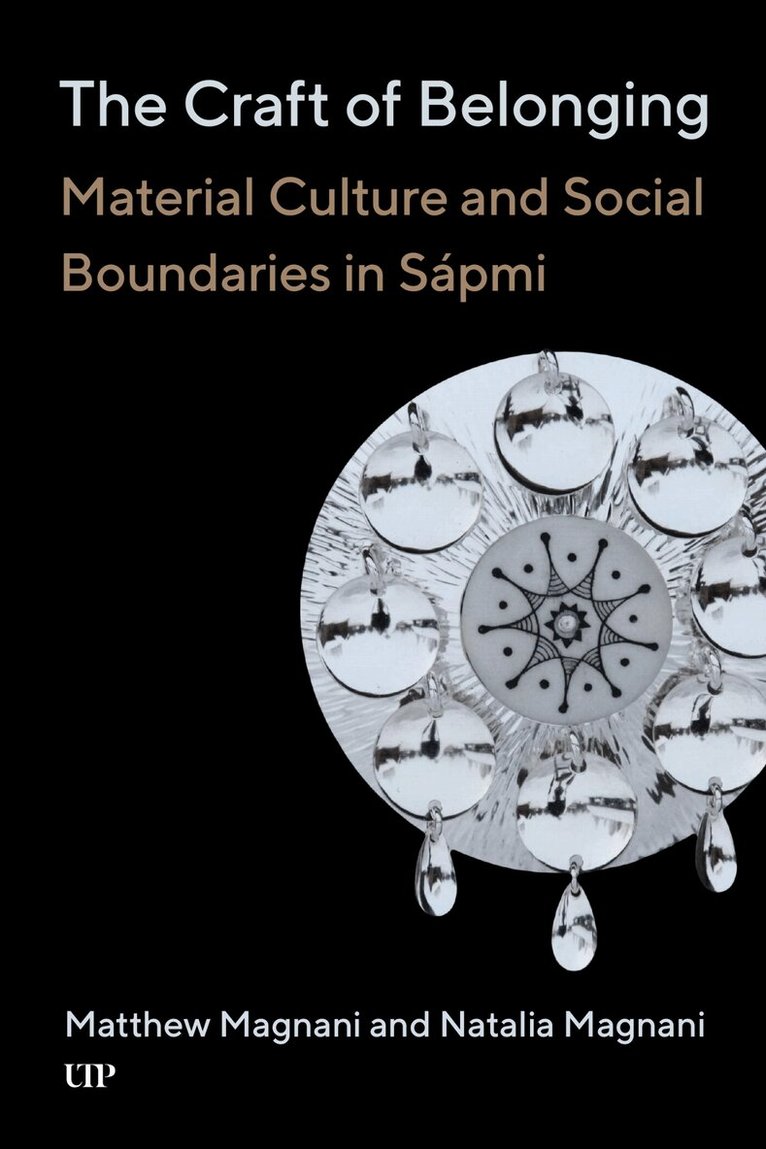
The Craft of Belonging explores the role of craft and its mediation of social boundaries, particularly in communities that are under state pressure. Anthropologists Matthew Magnani and Natalia Magnani blend anthropology and archaeology to explore the role of craft in community-making from prehitory to present with the Sámi, the Indigenous peoples of Northern Europe. Sápmi, the Sámi homeland, has sat at a material crossroads for millennia. Forests, tundras, and extended social networks offered raw materials autochthonous and imported. Wood, antler, cloth, and silver were crafted to cope with Arctic climates and state incursions. Integrating archaeological, ethnographic and Indigenous perspectives to reveal the transformative nature of material culture, The Craft of Belonging shows how long-term perspectives accentuate the shifting meanings and malleability of material social boundaries. Local agencies intersect with changing trade networks, colonialism and climate change, to resonate through the production, uses and signals of Sámi craft (duodji). This book thus contends that ancestral material cultures, far from static cultural domains, are innovative sites of social transformation used to assert rights to land, water, and community belonging.
An Anthropology of the Unbuilt
1 921 kr
Skickas inom 7-10 vardagar
662 kr
Skickas inom 10-15 vardagar
897 kr
Läs direkt efter köp
The transformation of the dominant model of centralized energy production from fossil fuels to renewable energies is at the center of the public and scientific debate, as well as the subject of national and European policies, as it is connected to highly topical issues such as climate change, emissions reduction and natural disasters, security of supply and sustainability of the current economic development model.
Up to now this topic has been mainly addressed by the economic and engineering sciences, with a research focus on the hardware rather than on the human and social software.
However, energy systems, and the possibilities of change, are not only economic or technological but involve also patterns of social life, representations, organizational models and relational structures. In order to generate the social preconditions for the transition to a low-emission society, focused on a growing production of energy from renewable sources and on a greater sustainabilityof consumption, it is therefore urgent to reaffirm the centrality of a sociological approach to energy.
This book focused on three core research areas which are crucial to understand what is at stake with the energy transition: conflicts over the construction and location of renewable energy production plants; collective action on renewable sources that promote a new model of energy system in which consumers are also producers; and the social-territorial impact of energy policies.