1 156 kr
Skickas inom 7-10 vardagar
1 156 kr
Skickas inom 7-10 vardagar
309 kr
Skickas inom 7-10 vardagar
516 kr
Läs direkt efter köp
844 kr
Skickas
266 kr
Skickas inom 7-10 vardagar
357 kr
Läs direkt efter köp
354 kr
Läs direkt efter köp
1 351 kr
Skickas inom 10-15 vardagar
1 351 kr
Skickas inom 10-15 vardagar
427 kr
Skickas inom 10-15 vardagar
427 kr
Skickas inom 10-15 vardagar
1 280 kr
Skickas inom 10-15 vardagar
413 kr
Skickas inom 10-15 vardagar
1 209 kr
Skickas inom 10-15 vardagar
413 kr
Skickas inom 10-15 vardagar
Comparative Perspectives on Moral Order
1 921 kr
Skickas inom 7-10 vardagar
Comparative Perspectives on Moral Order
454 kr
Skickas inom 7-10 vardagar
293 kr
Läs direkt efter köp
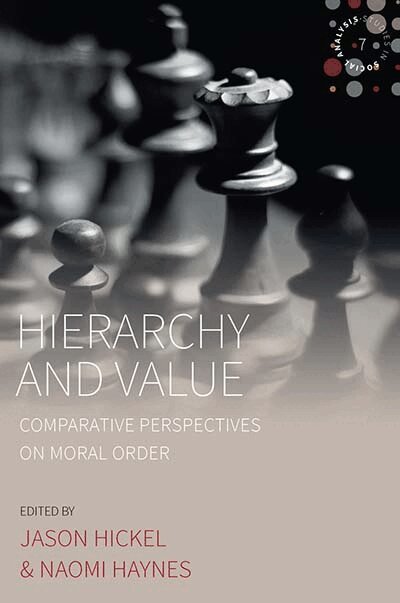
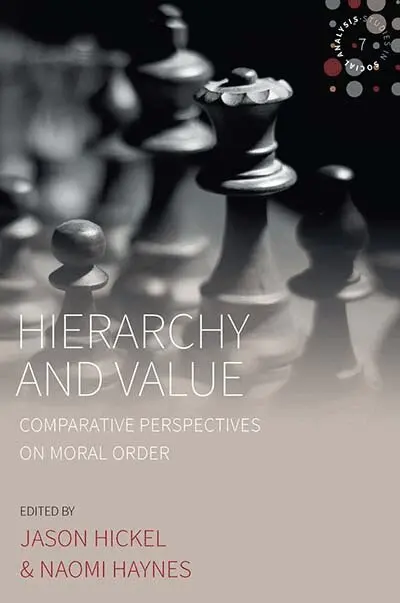
Globalization promised to bring about a golden age of liberal individualism, breaking down hierarchies of kinship, caste, and gender around the world and freeing people to express their true, authentic agency. But in some places globalization has spurred the emergence of new forms of hierarchy—or the reemergence of old forms—as people try to reconstitute an imagined past of stable moral order. This is evident from the Islamic revival in the Middle East to visions of the 1950s family among conservatives in the United States. Why does this happen and how do we make sense of this phenomenon? Why do some communities see hierarchy as desireable? In this book, leading anthropologists draw on insightful ethnographic case studies from around the world to address these trends. Together, they develop a theory of hierarchy that treats it both as a relational form and a framework for organizing ideas about the social good.