Create feedback processes that move student learning forwardFeedback is one of the most widely used tools in education and also one of the most misunderstood. Despite teachers′ best efforts, common beliefs about feedback often lead to wasted time, student confusion, and little real progress in learning. In Classroom Feedback, the authors examine nine persistent myths about feedback—from the idea that more is always better to the assumption that grades and feedback should go hand in hand—and replace them with clear, research-based strategies that reflect how feedback can become part of an ongoing process of learning and improvement. This engaging resource includes:Nine feedback myths, each explored through classroom vignettes, key studies, and teacher perspectives gathered across six countriesConcrete implications for practice that help educators adapt feedback to the learner, task, and contextStructured reflection activities designed to build evidence-informed feedback processes over timeEducators will learn to identify which feedback practices truly support student growth and which are quietly working against it, helping create classroom conditions in which students can interpret, use, and act on feedback information in ways that move their learning forward.
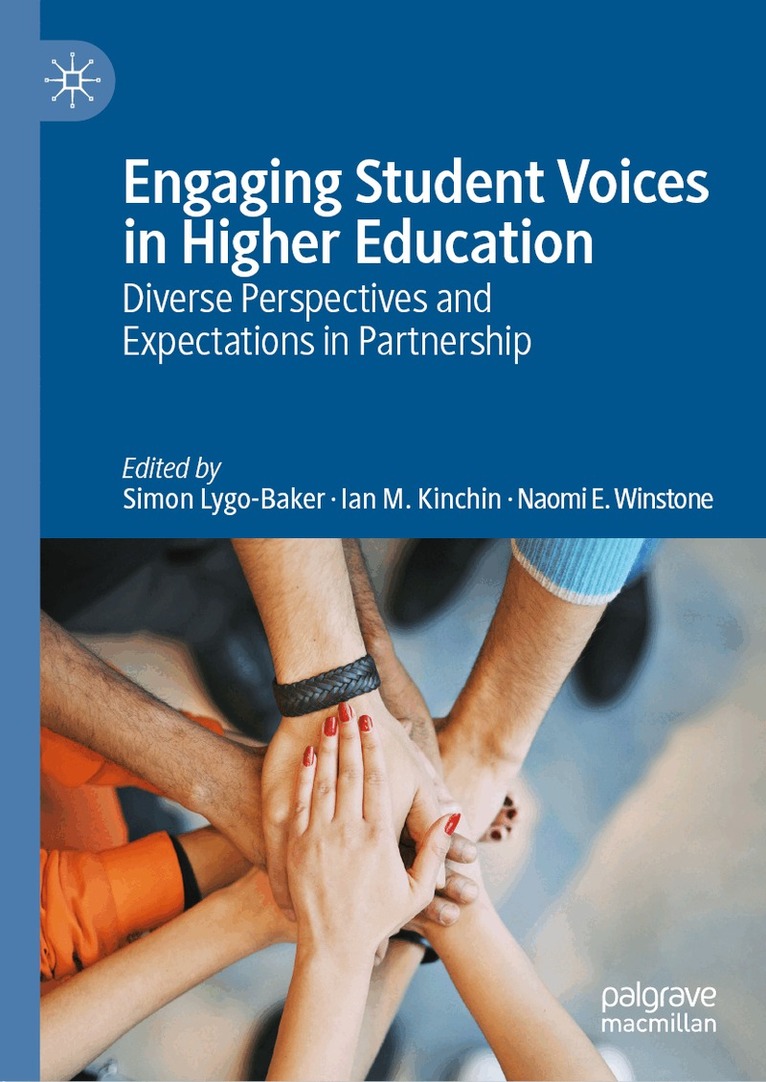
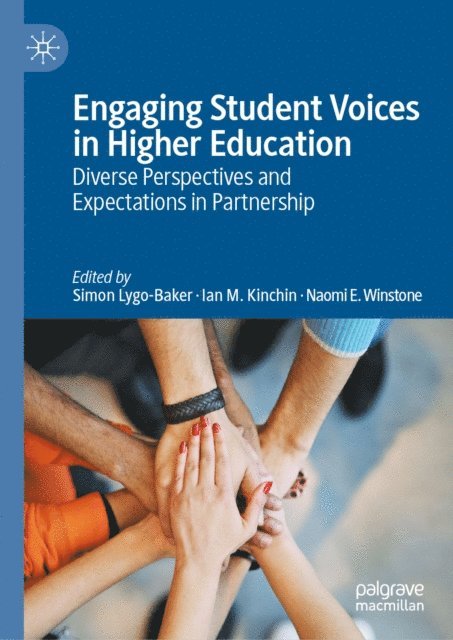
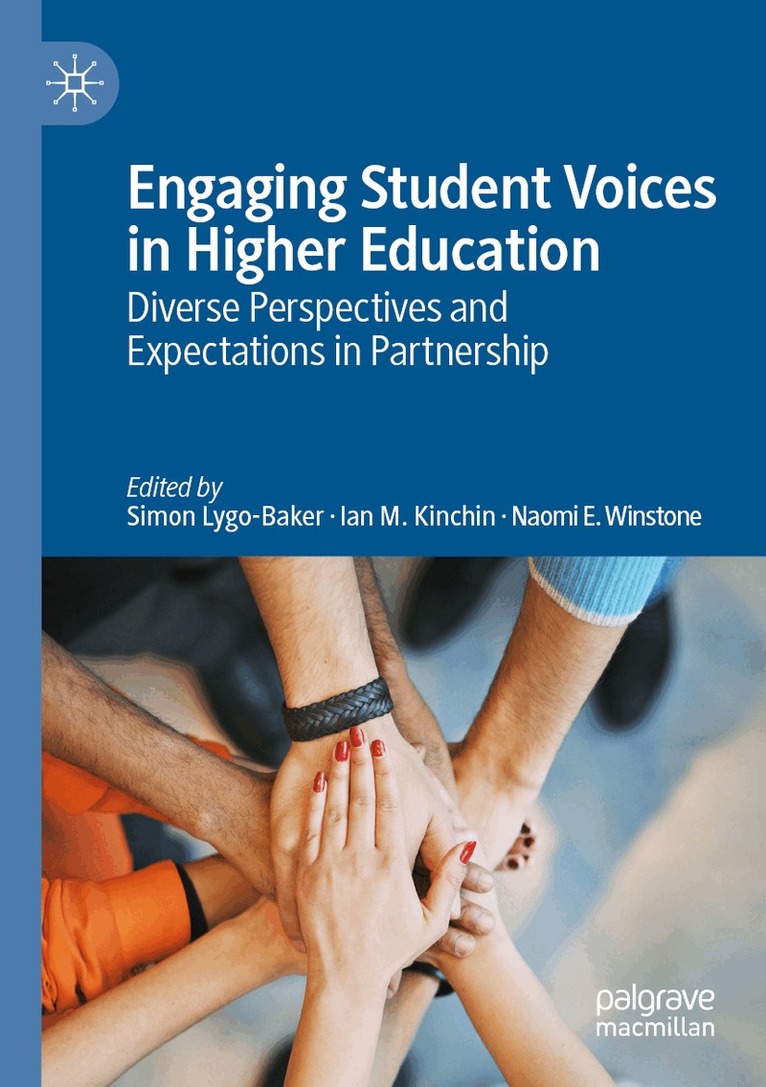
This book examines the importance of exploring the varied and diverse perspectives of student experiences. In both academic institutions and everyday discourse, the notion of the ‘student voice’ is an ever-present reminder of the importance placed upon the student experience in Higher Education: particularly in a context where the financial burden of undertaking a university education continues to grow. The editors and contributors explore how notions of the ‘student voice’ as a single, monolithic entity may in fact obscure divergence in the experiences of students. Placing so much emphasis on the ‘student voice’ may lead educators and policy makers to miss important messages communicated – or consciously uncommunicated – through student actions. This book also explores ways of working in partnership with students to develop their own experiences. It is sure to be of interest and value to scholars of the student experience and its inherent diversity.
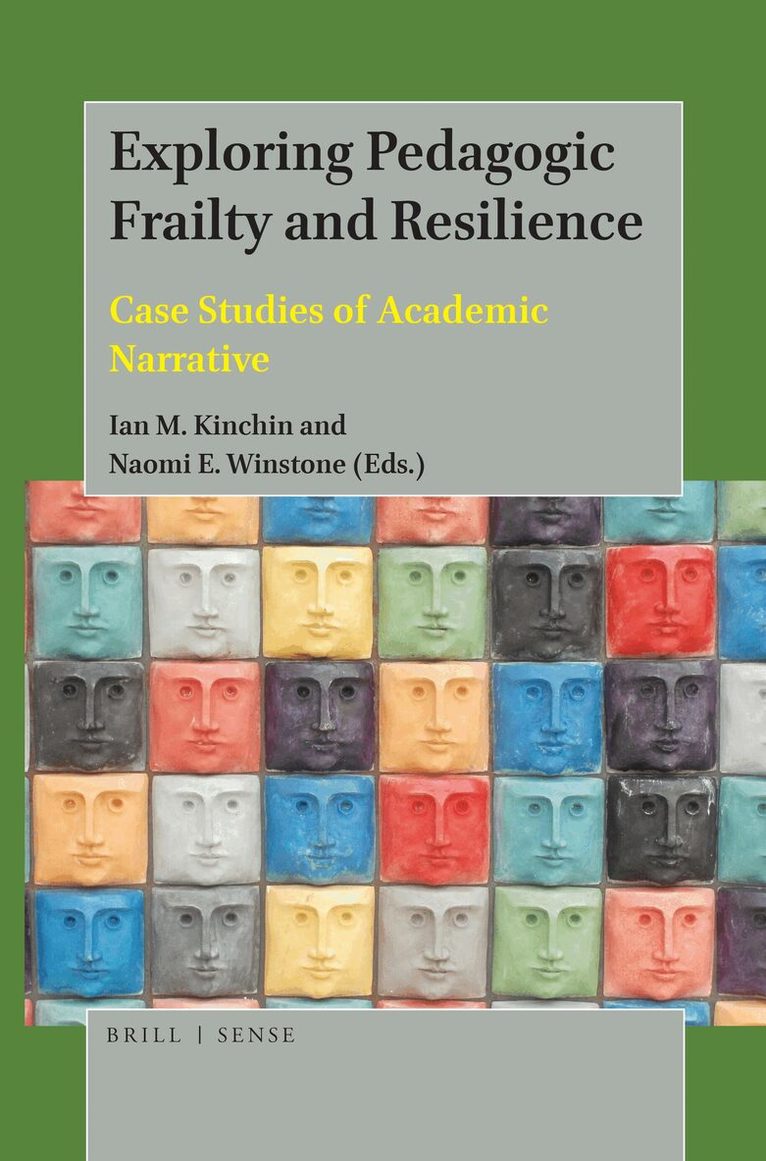
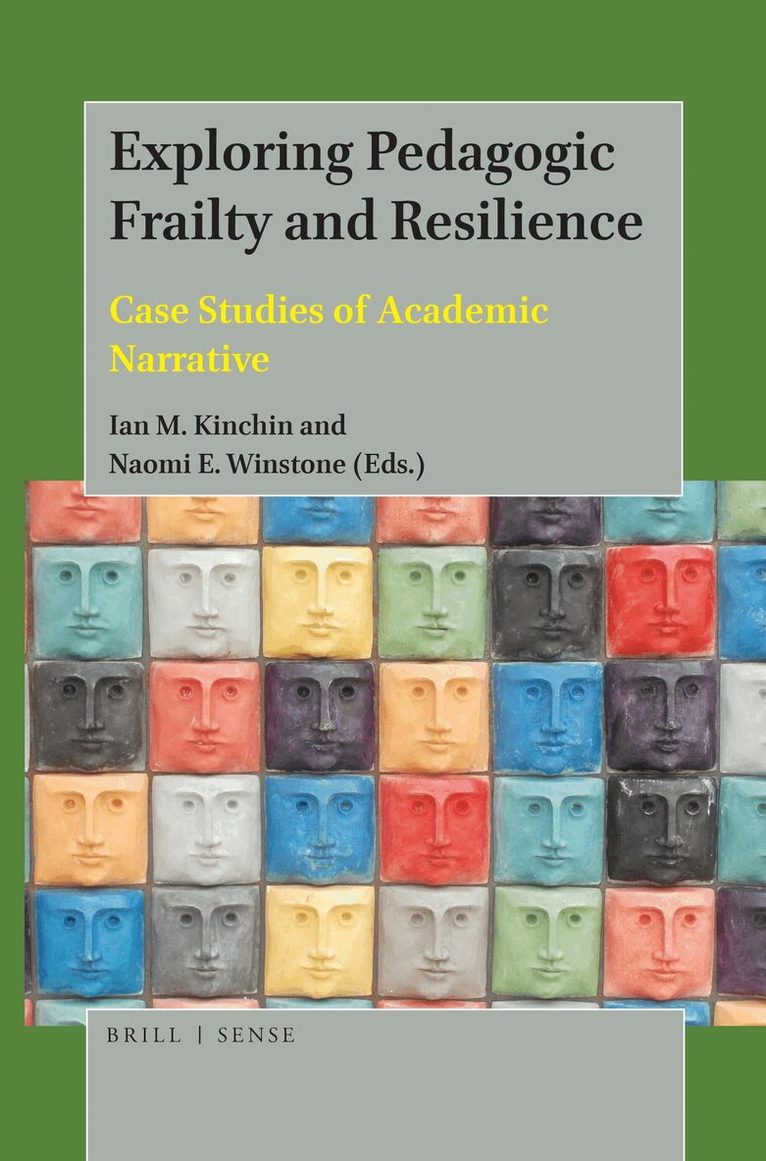
Exploring Pedagogic Frailty and Resilience presents the practical application of the frailty model to demonstrate how it may be used to support the professional development of university teachers. Case studies from colleagues representing a diverse variety of disciplines illustrate how the development of a reflective narrative can be initiated and framed through the use of concept map-mediated interviews. The emerging accounts share a common structure to facilitate comparison across academic disciplines.Chapters are written by academic leaders – colleagues who are recognised as excellent teachers within their disciplines and whose voices will be acknowledged as offering authentic commentary on the current state of university teaching. These commentaries offer a unique resource for other academics who may be tempted to reflect on their teaching in a scholarly manner, or to university managers and academic developers who want to explore the detail that lies beneath broad surveys of teaching quality and investigate the factors that can either support the development of teaching or impede its progress.This collection of narratives drawn from a single institution will resonate with the experiences of teachers in higher education more broadly through areas of common interest and regions of generalisability that can be explored to inform professional development of university teachers in other institutional and national contexts.