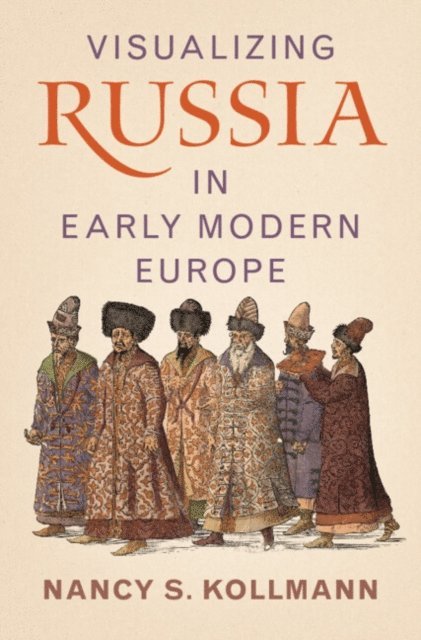
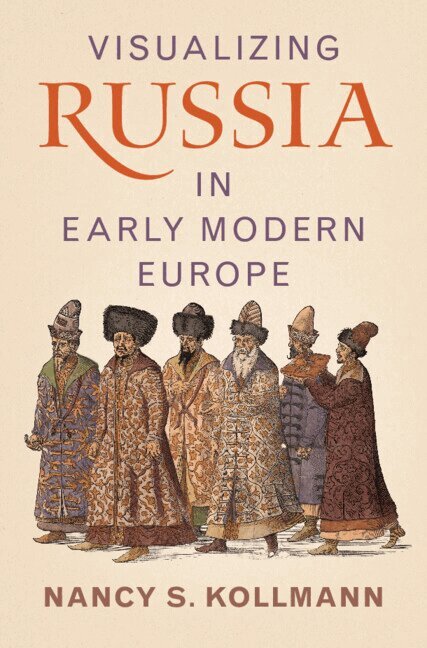
In early modern Europe, the emergence and development of print culture proved a powerful new method for producing and disseminating knowledge of Russia through visual means. By examining the images of Russia found in travel accounts, pamphlets, maps and costume books, this study demonstrates how the visual shaped a dual understanding of these lands: Russia and Russians were portrayed as familiar, but the steppe and forest frontiers were seen as forbidding and exotic. As these images were reproduced and plagiarized in new formats, so too were their meanings - the idea of Russia was one which constantly shifted across genres, usages, and audiences. Nancy Kollmann examines the techniques harnessed by artists and publishers to suggest the authenticity of their publications, and explores in turn how these complex depictions of Russia contributed to Europeans' understanding of themselves.
In early modern Europe, the emergence and development of print culture proved a powerful new method for producing and disseminating knowledge of Russia through visual means. By examining the images of Russia found in travel accounts, pamphlets, maps and costume books, this study demonstrates how the visual shaped a dual understanding of these lands: Russia and Russians were portrayed as familiar, but the steppe and forest frontiers were seen as forbidding and exotic. As these images were reproduced and plagiarized in new formats, so too were their meanings – the idea of Russia was one which constantly shifted across genres, usages, and audiences. Nancy Kollmann examines the techniques harnessed by artists and publishers to suggest the authenticity of their publications, and explores in turn how these complex depictions of Russia contributed to Europeans'' understanding of themselves.
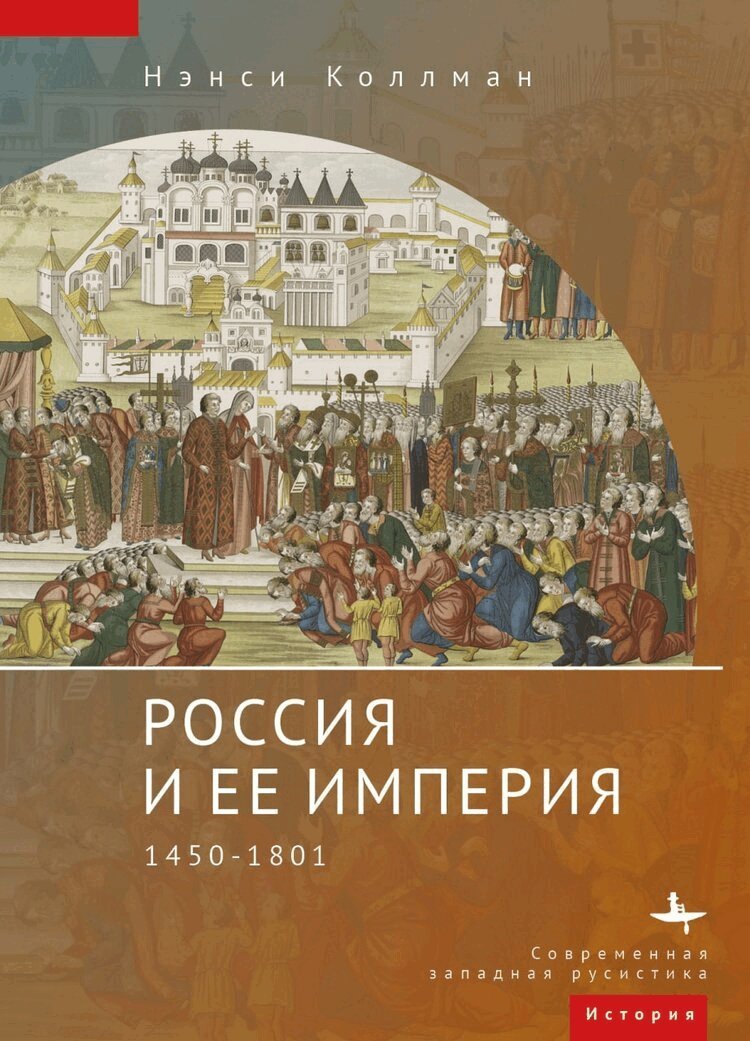
The Russian Empire 1450-1801 surveys early modern Russia as an “empire of difference,” that is, the government ruled the empire primarily by tolerating the great cultural, linguistic and religious diversity of its subject peoples. Over its many lands the Moscow center used a combination of coercion, cooptation and supranational ideology to maintain power, and the book explores each of those themes. The Moscow government did not hesitate to use violence and oppression to conquer and subdue territories; it coopted elites into the imperial nobility and local administrations; it projected an image of a benevolent tsar who protected his people and used architecture and ceremony to project that unifying ideology.
The Russian Empire 1450-1801 surveys early modern Russia as an “empire of difference,” that is, the government ruled the empire primarily by tolerating the great cultural, linguistic and religious diversity of its subject peoples. Over its many lands the Moscow center used a combination of coercion, cooptation and supranational ideology to maintain power, and the book explores each of those themes. The Moscow government did not hesitate to use violence and oppression to conquer and subdue territories; it coopted elites into the imperial nobility and local administrations; it projected an image of a benevolent tsar who protected his people and used architecture and ceremony to project that unifying ideology.
The Russian Empire 1450-1801 surveys early modern Russia as an “empire of difference,” that is, the government ruled the empire primarily by tolerating the great cultural, linguistic and religious diversity of its subject peoples. Over its many lands the Moscow center used a combination of coercion, cooptation and supranational ideology to maintain power, and the book explores each of those themes. The Moscow government did not hesitate to use violence and oppression to conquer and subdue territories; it coopted elites into the imperial nobility and local administrations; it projected an image of a benevolent tsar who protected his people and used architecture and ceremony to project that unifying ideology.