272 kr
Skickas inom 5-8 vardagar
272 kr
Skickas inom 5-8 vardagar
2 602 kr
Skickas inom 10-15 vardagar
1 145 kr
Skickas inom 10-15 vardagar
246 kr
Läs direkt efter köp
246 kr
Läs direkt efter köp
1 584 kr
Läs direkt efter köp
1 560 kr
Läs direkt efter köp
1 598 kr
Skickas inom 7-10 vardagar
1 498 kr
Skickas inom 7-10 vardagar
1 484 kr
Läs direkt efter köp
1 494 kr
Läs direkt efter köp
820 kr
Läs direkt efter köp
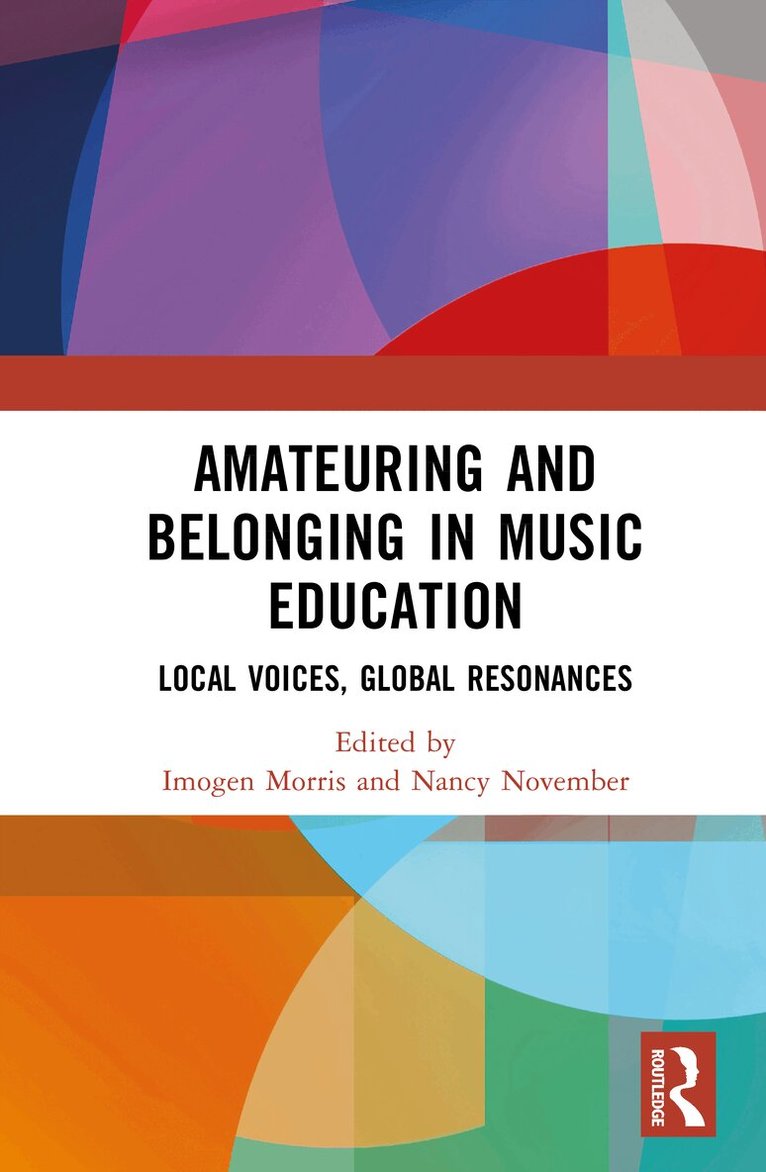
This book investigates how education and participation shape musical identity across the amateur–professional spectrum, reframing amateurism as a space of passion, dedication and authenticity rather than deficiency. It treats the amateur–professional divide as a social construct—made in pedagogy and institutions—then shows how teaching and learning can unsettle that divide in practice.
Once celebrated for their intrinsic love of music, amateurs today are often dismissed as lacking skill or seriousness. This edited collection challenges that narrative by foregrounding the unique value of amateur music-making and by demonstrating why many of the same pedagogies that empower amateurs also strengthen professional practice. Through diverse case studies and theoretical perspectives, it highlights the formative experiences, pedagogical practices and community contexts that shape musicians’ journeys. Across the chapters, this volume shows what musicians are taught, how they are taught and the dynamics that support their development in settings from secondary schools and examination systems to studio teaching and community ensembles. Topics such as motivation, repertoire and leadership appear alongside broader themes like the amateur–professional divide and the social role of music. Vocal music and choral settings—often central to amateur music-making—receive special focus in the later chapters.
This book is intended for scholars and advanced students in music education, pedagogy, sociology and cultural studies. It will also resonate with music teachers, conductors and arts policymakers interested in supporting inclusive and meaningful musical engagement. While many chapters center on Aotearoa New Zealand, the themes and insights hold international relevance for contexts where amateur music-making thrives—across Europe, North America, East Asia and Australia. This volume contributes to underexplored scholarship on amateur musicianship and advocates for a more equitable and expansive view of musical life.Chapters 1 and 3 of this book are freely available as a downloadable Open Access PDF at http://www.taylorfrancis.com under a Creative Commons [Attribution-Non Commercial-No Derivatives (CC BY-NC-ND)] 4.0 license.
797 kr
Läs direkt efter köp
This book investigates how education and participation shape musical identity across the amateur–professional spectrum, reframing amateurism as a space of passion, dedication and authenticity rather than deficiency. It treats the amateur–professional divide as a social construct—made in pedagogy and institutions—then shows how teaching and learning can unsettle that divide in practice.
Once celebrated for their intrinsic love of music, amateurs today are often dismissed as lacking skill or seriousness. This edited collection challenges that narrative by foregrounding the unique value of amateur music-making and by demonstrating why many of the same pedagogies that empower amateurs also strengthen professional practice. Through diverse case studies and theoretical perspectives, it highlights the formative experiences, pedagogical practices and community contexts that shape musicians’ journeys. Across the chapters, this volume shows what musicians are taught, how they are taught and the dynamics that support their development in settings from secondary schools and examination systems to studio teaching and community ensembles. Topics such as motivation, repertoire and leadership appear alongside broader themes like the amateur–professional divide and the social role of music. Vocal music and choral settings—often central to amateur music-making—receive special focus in the later chapters.
This book is intended for scholars and advanced students in music education, pedagogy, sociology and cultural studies. It will also resonate with music teachers, conductors and arts policymakers interested in supporting inclusive and meaningful musical engagement. While many chapters center on Aotearoa New Zealand, the themes and insights hold international relevance for contexts where amateur music-making thrives—across Europe, North America, East Asia and Australia. This volume contributes to underexplored scholarship on amateur musicianship and advocates for a more equitable and expansive view of musical life.Chapters 1 and 3 of this book are freely available as a downloadable Open Access PDF at http://www.taylorfrancis.com under a Creative Commons [Attribution-Non Commercial-No Derivatives (CC BY-NC-ND)] 4.0 license.
838 kr
Läs direkt efter köp
856 kr
Läs direkt efter köp
2 602 kr
Skickas inom 10-15 vardagar
1 641 kr
Skickas inom 7-10 vardagar
1 526 kr
Skickas inom 7-10 vardagar
432 kr
Skickas inom 7-10 vardagar
417 kr
Läs direkt efter köp
1 391 kr
Skickas inom 7-10 vardagar
415 kr
Skickas inom 7-10 vardagar
418 kr
Skickas inom 3-6 vardagar
586 kr
Skickas inom 7-10 vardagar
1 324 kr
Skickas inom 7-10 vardagar
2 853 kr
Läs direkt efter köp
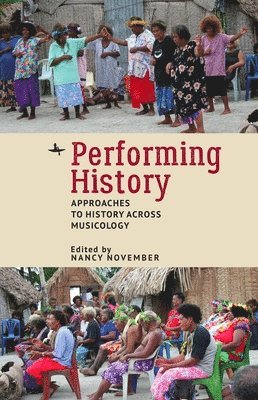
The fifteen essays of Performing History glimpse the diverse ways music historians “do” history, and the diverse ways in which music histories matter. This book’s chapters are structured into six key areas: historically informed performance; ethnomusicological perspectives; particular musical works that “tell,” “enact,” or “perform” war histories; operatic works that works that “tell,” “enact,” or “perform” power or enlightenment; musical works that deploy the body and a broad range of senses to convey histories; and histories involving popular music and performance. Diverse lines of evidence and manifold methodologies are represented here, ranging from traditional historical archival research to interviewing, performing, and composing. The modes of analyzing music and its associated texts represented here are as various as the kinds of evidence explored, including, for example, reading historical accounts against other contextual backdrops, and reading “between the lines” to access other voices than those provided by mainstream interpretation or traditional musicology.
2 639 kr
Läs direkt efter köp
The fifteen essays of Performing History glimpse the diverse ways music historians “do” history, and the diverse ways in which music histories matter. This book’s chapters are structured into six key areas: historically informed performance; ethnomusicological perspectives; particular musical works that “tell,” “enact,” or “perform” war histories; operatic works that works that “tell,” “enact,” or “perform” power or enlightenment; musical works that deploy the body and a broad range of senses to convey histories; and histories involving popular music and performance. Diverse lines of evidence and manifold methodologies are represented here, ranging from traditional historical archival research to interviewing, performing, and composing. The modes of analyzing music and its associated texts represented here are as various as the kinds of evidence explored, including, for example, reading historical accounts against other contextual backdrops, and reading “between the lines” to access other voices than those provided by mainstream interpretation or traditional musicology.
1 253 kr
Skickas
2 853 kr
Läs direkt efter köp
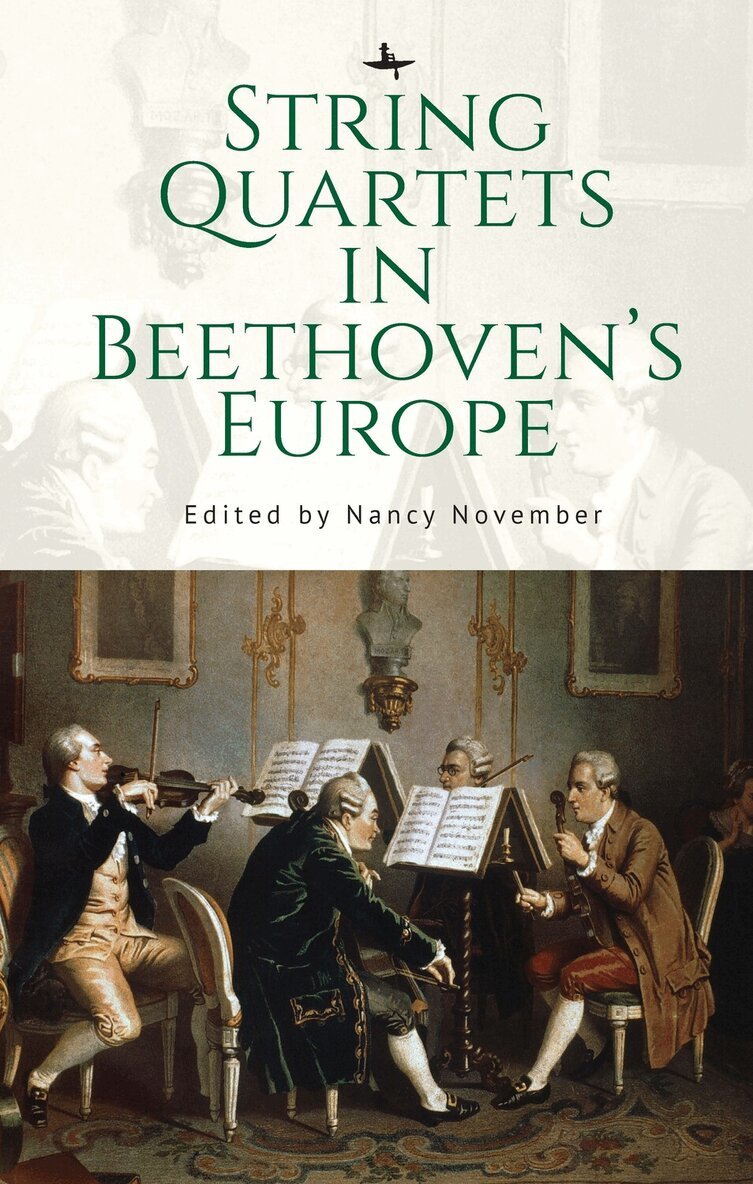
String Quartets in Beethoven’s Europe is the first detailed study of string quartets in late-eighteenth- and early-nineteenth-century Europe. It brings together the work of nine scholars who explore little-studied aspects of this multi-faceted genre. Together, this book’s chapters deal with compositional responses to Beethoven’s string quartets and the prestige of the genre; varied compositional practices in string quartet writing, with a particular emphasis on texture and performance elements; and the reception of Beethoven’s string quartets ca. 1800. They include discussions of quartets composed for the amateur and connoisseur markets in Beethoven’s Europe; virtuosity, the French Violin School, and the quatuor brillant; the relationship between quartet composers and their audiences during Beethoven’s era; and the cross-pollination of quartet styles in Europe’s musical centers such as Vienna, Paris, and St. Petersburg.
2 497 kr
Läs direkt efter köp
String Quartets in Beethoven’s Europe is the first detailed study of string quartets in late-eighteenth- and early-nineteenth-century Europe. It brings together the work of nine scholars who explore little-studied aspects of this multi-faceted genre. Together, this book’s chapters deal with compositional responses to Beethoven’s string quartets and the prestige of the genre; varied compositional practices in string quartet writing, with a particular emphasis on texture and performance elements; and the reception of Beethoven’s string quartets ca. 1800. They include discussions of quartets composed for the amateur and connoisseur markets in Beethoven’s Europe; virtuosity, the French Violin School, and the quatuor brillant; the relationship between quartet composers and their audiences during Beethoven’s era; and the cross-pollination of quartet styles in Europe’s musical centers such as Vienna, Paris, and St. Petersburg.