No single narrative or theory can describe the varieties of religious experience in North America today. The tidy dichotomies of liberal/ conservative, public/private, local/global, and renewal/secularization make little sense once specific congregations are examined closely. To understand the shifting boundaries of contemporary religious expressions, new tools are needed. Contemporary American Religion collects qualitative, on-the-ground studies of local congregations by up-and-coming religious scholars. Ethnography combined with more traditional sociological methods, help make sense of complex religious communities-from Messianic Jews to evangelical feminists, from Gospel Hour at a gay bar to exurban megachurches. This collection covers a wide span of the religious landscape, always trying to uncover new theoretical insights. Essential reading for classes in sociology of religion, contemporary American religion, and anthropology of religion.
No single narrative or theory can describe the varieties of religious experience in North America today. The tidy dichotomies of liberal/ conservative, public/private, local/global, and renewal/secularization make little sense once specific congregations are examined closely. To understand the shifting boundaries of contemporary religious expressions, new tools are needed. Contemporary American Religion collects qualitative, on-the-ground studies of local congregations by up-and-coming religious scholars. Ethnography combined with more traditional sociological methods, help make sense of complex religious communities—from Messianic Jews to evangelical feminists, from Gospel Hour at a gay bar to exurban megachurches. This collection covers a wide span of the religious landscape, always trying to uncover new theoretical insights. Essential reading for classes in sociology of religion, contemporary American religion, and anthropology of religion.
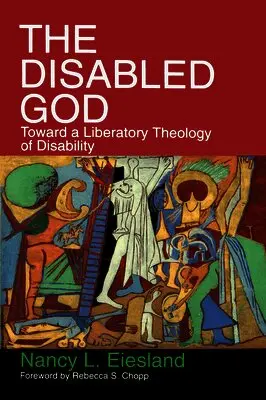
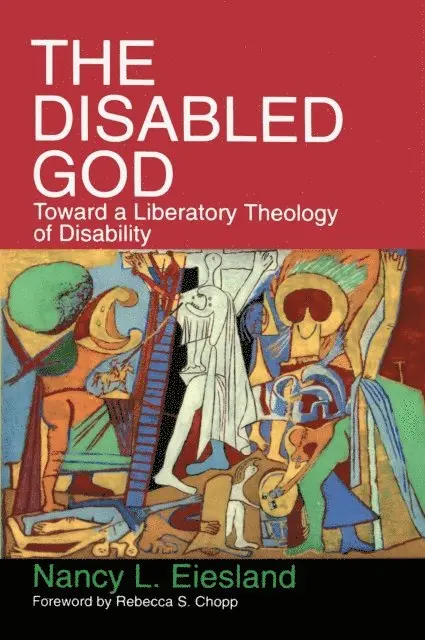
Draws on themes of the disability-rights movement to identify people with disabilities as members of a socially disadvantaged minority group rather than as individuals who need to adjust. Highlights the hidden history of people with disabilities in church and society. Proclaiming the emancipatory presence of the disabled God, the author maintains the vital importance of the relationship between Christology and social change. Eiesland contends that in the Eucharist, Christians encounter the disabled God and may participate in new imaginations of wholeness and new embodiments of justice.
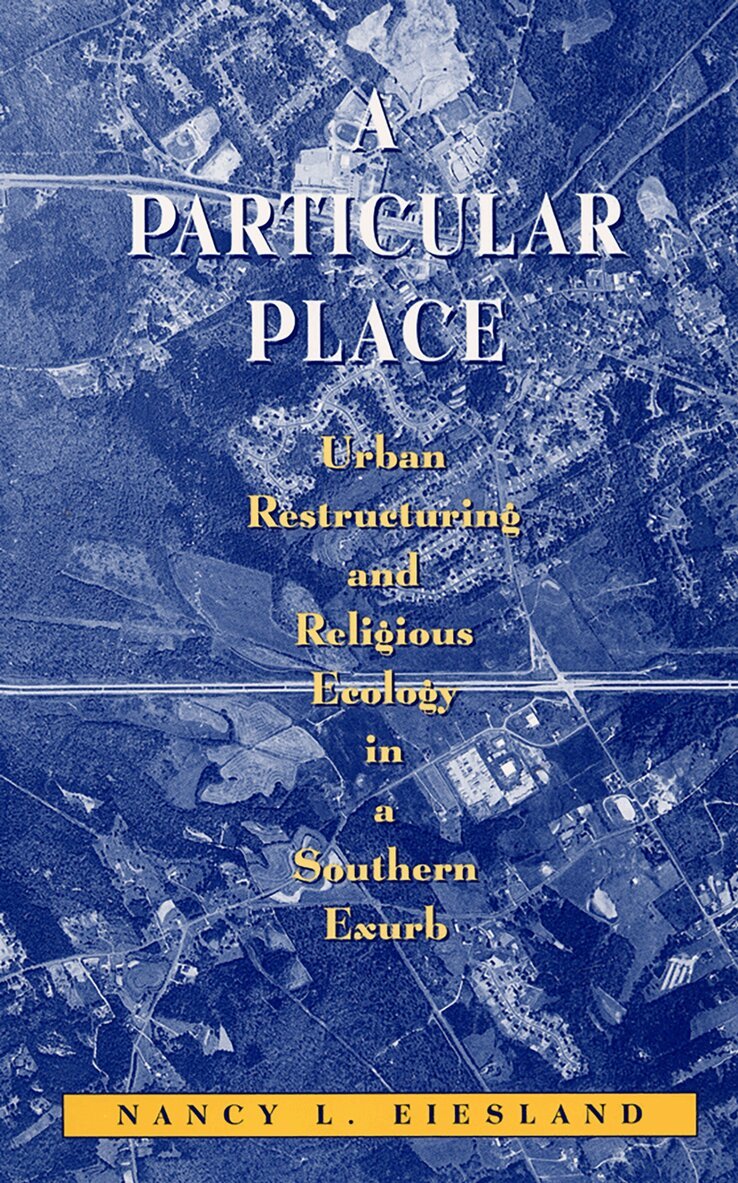
A Particular Place tells the story of the dramatic changes that take place in the religious lives of a community faced with urban restructuring-in this case, Dacula, Georgia, a once-quiet small town on the outskirts of Atlanta. The demographics of Dacula were changed dramatically by the population inflow, service sector development, and housing expansion brought on by the growing metropolis.Nancy L. Eiesland provides a qualitative study of how the local religious congregations altered themselves, their relations with one another, and-over time-their community in light of this disruption to their social order. Eiesland accounts for these changes by examining the lives of area newcomers and long-time residents, discussing the responses of locals to the emergence of a megachurch in their community, investigating the wrenching processes of congregational birth and deaths, and studying responses to community conflicts.Applying population ecology approaches to the study of religious organizations within their local contexts, A Particular Place addresses together two types of restructuring that are often mutually implicated-urban and religious restructuring. This book demonstrates all that can be learned from studious attention to a particular place.