An Encounter Between Art and the TechnosphereProprietary algorithms, secret data troves, and inscrutable systems rule the day. How is this registered in art? In Poetics of Encryption Nadim Samman explores works that highlight the hidden dimensions of our technological landscape. Running counter to erroneous claims regarding a new culture of transparency and openness, such artworks address black sites, black boxes, and black holes—all the while, toggling between enlightened concern and occult dreaming.
Proprietary algorithms, secret data troves, and inscrutable systems rule the day. How is this registered in art? In Poetics of Encryption Nadim Samman explores works that highlight the hidden dimensions of our technological landscape. Running counter to erroneous claims regarding a new culture of transparency and openness, such artworks address black sites, black boxes, and black holes—all the while, toggling between enlightened concern and occult dreaming.NADIM SAMMAN is Curator for the Digital Sphere at KW Institute for Contemporary Art, Berlin. He read Philosophy at University College London before receiving his PhD from the Courtauld Institute of Art. Widely published, in 2019 he was First Prize recipient of the International Award for Art Criticism (IAAC). Major curatorial projects included the 4th Marrakech Biennale (2012), the 5th Moscow Biennale for Young Art (2015) and the 1st Antarctic Biennale (2017).
“We are all inside this thing—but how?” This book explores 21st century art’s reckonings with the technosphere. Almost unimaginable in its complexity and scale, a man-made megastructure surrounds all of us, and often seems inescapable. Outlining the poetics of encryption that attend to this infrastructural condition, Samman explores dramatic motifs including confinement, capture, and burial, as well as access and exclusion from secured domains. Poetics of Encryption excavates the art of our times as it quests through caves, cables, codes, satellites, and icons. Toggling between enlightened concern and occult dreaming it surveys a counter-intuitive aesthetic of the interface: Addressing those who cannot write code, this analogy in contemporary art stages its own ‘digital’, both virtually and analogue.
A leading voice in Lebanon’s cultural diaspora, Rabih Mroué’s acclaimed body of work addresses the contested memory of historical events that include the Lebanese civil war, the Arab Spring, and the Syrian Revolution. Spanning theatre, art, and literature, his diverse oeuvre is situated at the intersection of personal and political imaginaries, media critique, and concepts of authorship: through scripted conversations, confessions, reports, and questions, Mroué ceaselessly interrogates ways of speaking. Published on the occasion of his receipt of the Ernst Schering Foundation’s Prize for Artistic Research in 2020, this anthology illuminates Mroué’s work of the past 20 years through 20 interviews. New interviews and an introductory essay by the curator Nadim Samman draw a portrait of the artist.
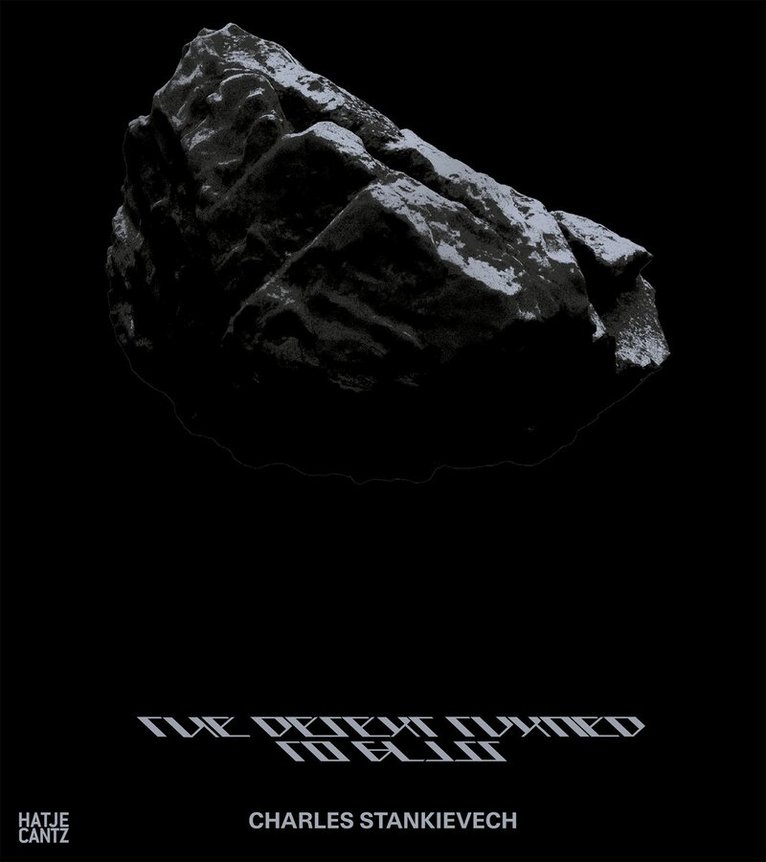
The Desert Turned to Glass is a place where the cosmic and chthonic collide. Commemorating the centenary of the planetarium as an architectural type, this book collects a new body of work by acclaimed Canadian artist Charles Stankievech. Thematically, the project explores alternative theories concerning the origin of life, consciousness, and art—bridging the cosmological visions of cave art and the modern technology of the planetarium. Richly illustrated, the book pairs images of Stankievech’s installations and cinematic works with newly commissioned writings by geologists, exobiologists, philosophers and archeologists. Spanning the abyss of space and the depths of the earth, The Desert Turned to Glass is an epic meditation on origins, endings, and infinity.