Although considered one of the virtues, humility seems to be generally regarded as more pitiable than admirable. It is often confused with false modesty, a lack of self-respect, or the underestimation of one's accomplishments. In the first extended treatment of humility in modern times, Norvin Richards examines this puzzling virtue, redeems it from common misconceptions, and discusses the effect humility can have on one's life. The author argues that true humility consists in understanding yourself and what you have done too clearly to be inclined to exaggeration. To be humble means taking oneself no more seriously than one should and not having unreasonable beliefs about one's moral entitlements. It also means knowing what kind of treatment to give to and expect from others. This ability to maintain a proper perspective is clearly a desirable characteristic. With lively and familiar examples, Richards explores the ways humility can protect us from a variety of mistakes. He considers the relationship between humility and forgiveness, envy and jealousy, and paternalism.He asks what it requires in terms of compassion, ambition, and the simplicity or opulence of life and he relates the virtue of humility to our culture of arrogance, elitism, and blind ambition. Author note: Norvin Richards is Professor of Philosophy at the University of Alabama, Tuscaloosa.
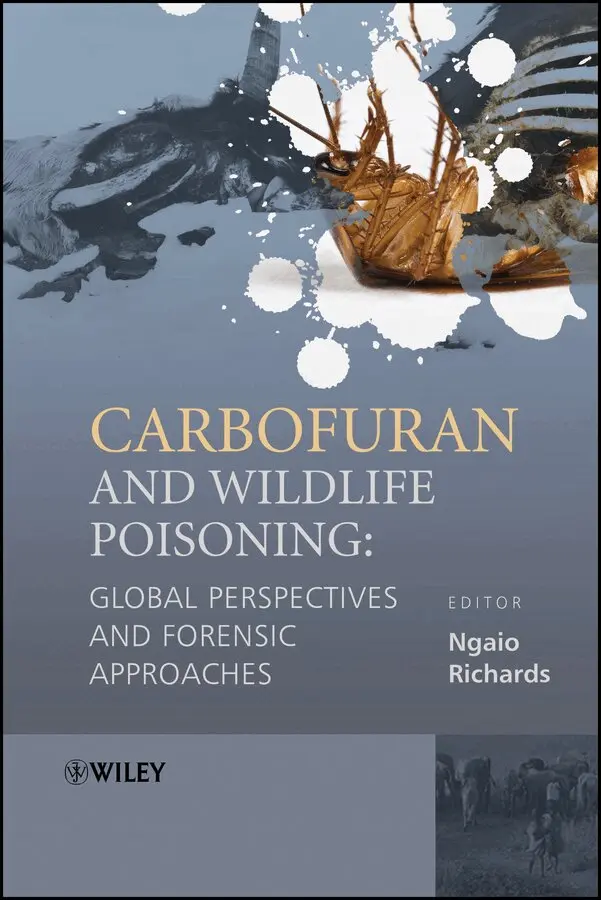
This cutting-edge title is one of the first devoted entirely to the issue of carbofuran and wildlife mortality. It features a compilation of international contributions from policy-makers, researchers, conservationists and forensic practitioners and provides a summary of the history and mode of action of carbofuran, and its current global use. It covers wildlife mortality stemming from legal and illegal uses to this point, outlines wildlife rehabilitation, forensic and conservation approaches, and discuss global trends in responding to the wildlife mortality. The subject of carbofuran is very timely because of recent parallel discussions to withdraw and reinstate the insecticide in different parts of the world. Incidences of intentional and unintentional wildlife poisonings using carbofuran are undeniably on the rise, especially in Africa and India and gatherings of stakeholders are being organized and convened on a global basis. There is still a need to consolidate information on the different experiences and approaches taken by stakeholders.Carbofuran and Wildlife Poisoning is a comprehensive overview of global wildlife mortality, forensic developments and monitoring techniques and is a definitive reference on the subject. It comprises of historical and current perspectives, contributions from key stakeholders in the issue of global wildlife poisonings with carbofuran, people on the ground who deal with the immediate and long-term ramifications to wildlife, those who have proposed or are working towards mitigative measures and solutions, those in contact with intentional or unintentional 'offenders', those who have adapted and developed forensic methodology and are gathering evidence. "Carbofuran and Wildlife Poisoning is a collection of meticulously researched papers from all around the world that provide shocking facts about the effects of a deadly insecticide on wildlife. The book discusses the hundreds of thousands of animals, from elephants to fish, that are poisoned each year, the efforts to rehabilitate those which have been rescued, and the often heroic efforts to ban or reduce the use of the deadly chemical. This book is a must for all those concerned with the problem."Jane Goodall, PhD, DBE, Founder - the Jane Goodall Institute & UN Messenger of Peace, October 2011