847 kr
Skickas inom 10-15 vardagar
847 kr
Skickas inom 10-15 vardagar
1 018 kr
Skickas inom 10-15 vardagar
992 kr
Läs direkt efter köp
999 kr
Läs direkt efter köp
1 169 kr
Läs direkt efter köp
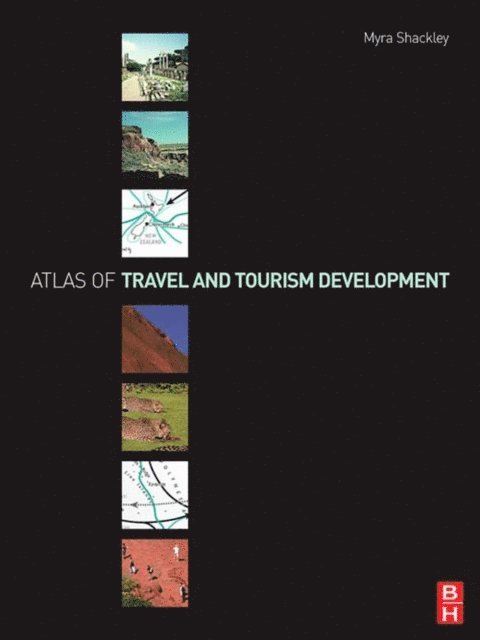
From travel in the ancient and classical world to the growth of underwater tourism in the Great Barrier Reef and the influence of the Gulf War on regional tourism, the Atlas of Travel and Tourism Development is a new departure from conventional texts, providing a unique overview of the growth of the tourism industry.Divided into three sections, the text looks first at the past, examining the influence of global geography on travel patterns, and provides an overview of the history of travel and tourism. It then moves onto the present, using a regional framework to demonstrate how the physical and historical geography of each area is related to tourism development. The final section provides a forecast of future trends for the next two decades.
1 195 kr
Läs direkt efter köp
From travel in the ancient and classical world to the growth of underwater tourism in the Great Barrier Reef and the influence of the Gulf War on regional tourism, the Atlas of Travel and Tourism Development is a new departure from conventional texts, providing a unique overview of the growth of the tourism industry.Divided into three sections, the text looks first at the past, examining the influence of global geography on travel patterns, and provides an overview of the history of travel and tourism. It then moves onto the present, using a regional framework to demonstrate how the physical and historical geography of each area is related to tourism development. The final section provides a forecast of future trends for the next two decades.
3 129 kr
Skickas inom 10-15 vardagar
2 489 kr
Skickas inom 10-15 vardagar
1 225 kr
Skickas inom 10-15 vardagar
1 326 kr
Läs direkt efter köp
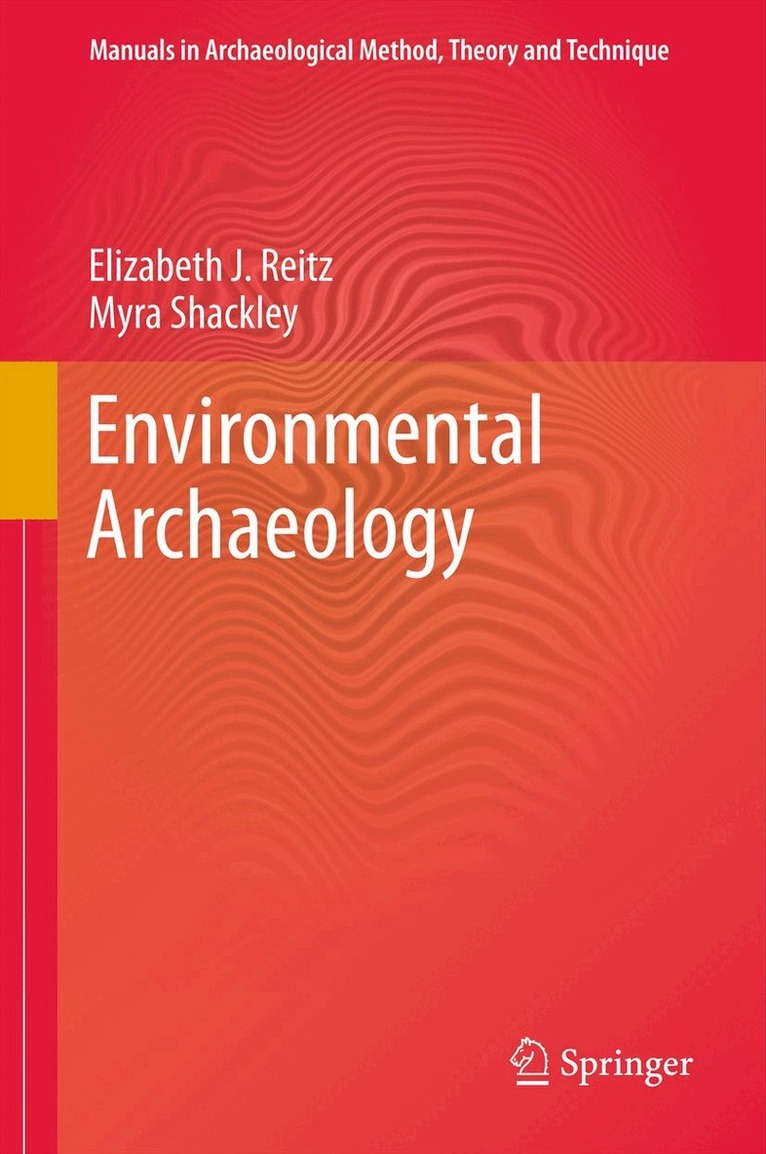
One of the most significant developments in archaeology in recent years is the emergence of its environmental branch: the study of humans’ interactions with their natural surroundings over long periods and of organic remains instead of the artifacts and household items generally associated with sites. With the current attention paid to human responsibility for environmental change, this innovative field is recognized by scientists, conservation and heritage managers and policymakers worldwide. In this context comes Environmental Archaeology by Elizabeth Reitz and Myra Shackley, updating the seminal 1981 text Environmental Archaeology by Myra Shackley. Rigorously detailed yet concise and accessible, this volume surveys the complex and technical field of environmental archaeology for researchers interested in the causes, consequences and potential future impact of environmental change and archaeology. Its coverage acknowledges the multiple disciplines involved in the field, expanding the possibilities for using environmental data from archaeological sites in enriching related disciplines and improving communication among them. Introductory chapters explain the processes involved in the formation of sites, introduce research designs and field methods and walk the reader through biological classifications before focusing on the various levels of biotic and abiotic materials found at sites, including: Sediments and soils. Viruses, bacteria, archaea, protists and fungi. Bryophytes and vascular plants. Wood, charcoal, stems, leaves and roots. Spores, pollen and other microbotanical remains. Arthropods, molluscs, echinoderms and vertebrates. Stable isotopes, elements and biomolecules. The updated Environmental Archaeology is a major addition to the resource library of archaeologists, environmentalists, historians, researchers, policymakers—anyone involved in studying, managing or preserving historical sites. The updated Environmental Archaeology is a majoraddition to the resource library of archaeologists, environmentalists, historians, researchers, policymakers—anyone involved in studying, managing, or preserving historical sites.
1 004 kr
Skickas inom 10-15 vardagar