2 534 kr
Skickas inom 10-15 vardagar
2 534 kr
Skickas inom 10-15 vardagar
796 kr
Läs direkt efter köp
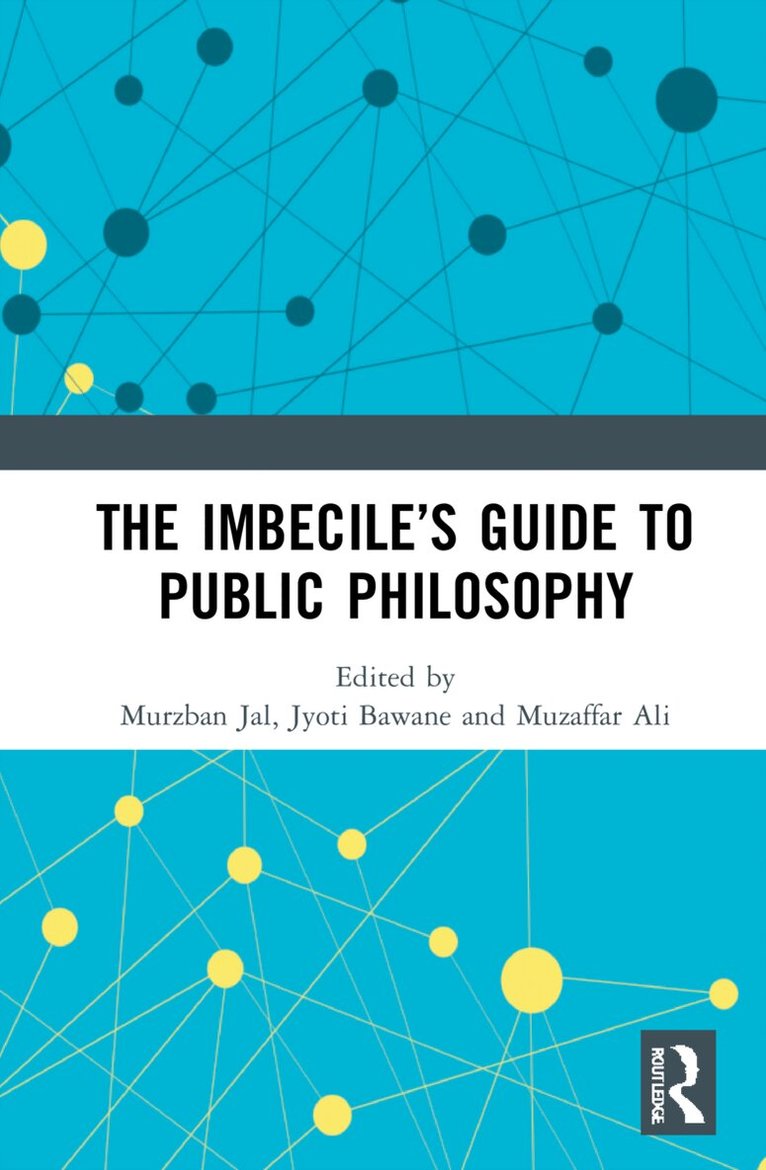
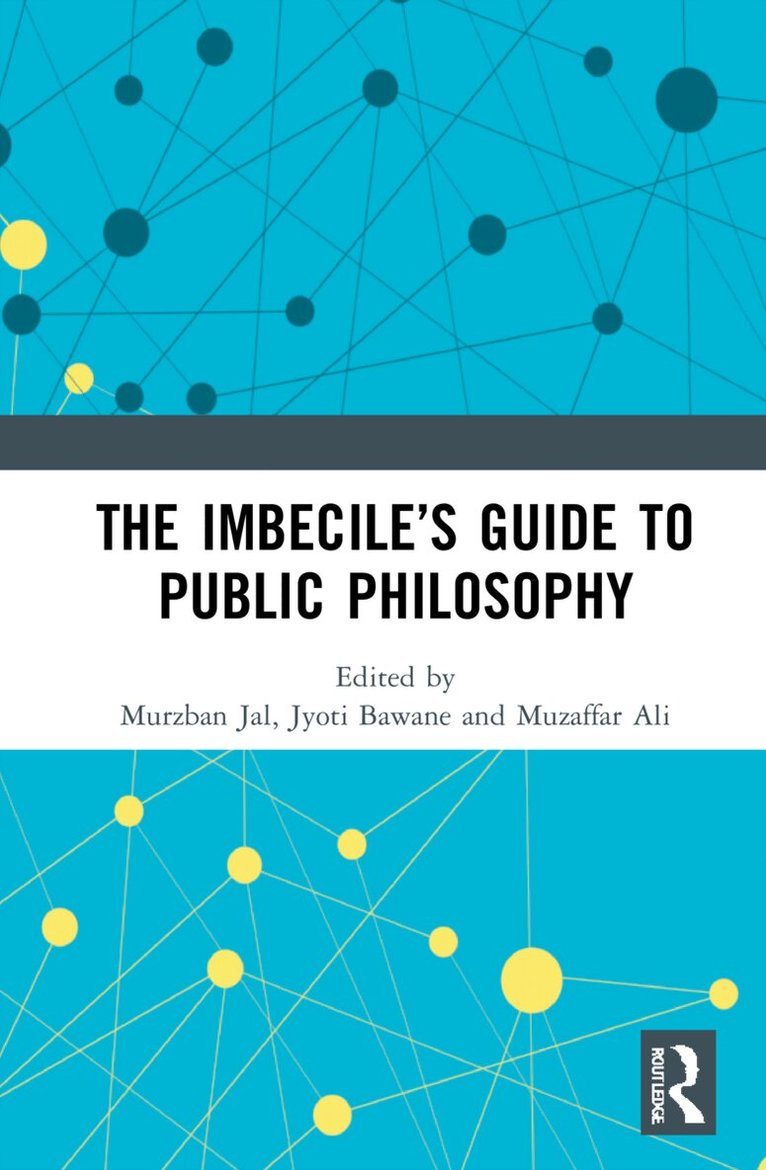
This book studies the role of serious philosophizing in everyday life and looks at how authoritarianism negates philosophical and public reason. It sheds light on how philosophy can go beyond its life as a discipline limited to an esoteric group of academia to manifest itself via radical discursive practices in public life which enable us to understand and resolve contemporary socio-political challenges. It studies philosophy as a discipline which deals with one''s orientations based on experience, the logic of reasoning, critical thinking, and most of all radical and progressive beliefs.
The book argues that the contemporary rise of capitalism in modern society, resonating Émile Durkheim’s cautions on "anomie", has favoured individualism, differentiation, marginalization, and exploitation, balanced on an eroding collective consciousness and a steady disintegration of humanity and reason. Taking this into consideration, it discusses how philosophy, both mainstream and marginal, can revive democracy in society which then is able to confront global authoritarianism led by the figure of the imbecile. Finally, it also provides a range of new perspectives on the questions of civic freedom, hegemony of language, social justice, identity, invisible paradigms, gender justice, democracy, multiculturalism, and decolonization.
This book is an invigorating compilation of essays from diverse disciplines, engaging the need to create a humanistic public philosophy to transcend the state of imbecility. It will be of great interest to students, scholars and researchers of philosophy, contemporary politics, history, and sociology, as well as general readers.
796 kr
Läs direkt efter köp
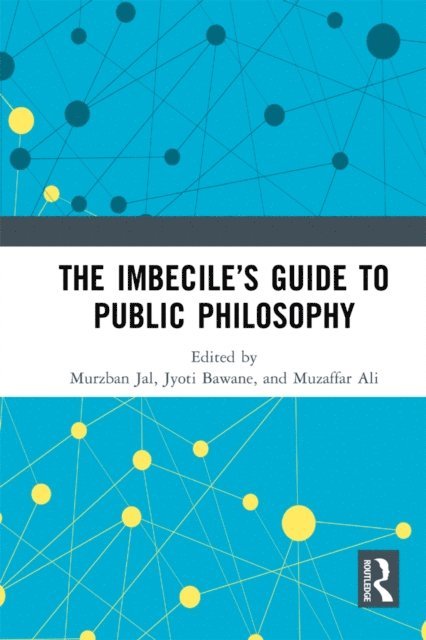
This book studies the role of serious philosophizing in everyday life and looks at how authoritarianism negates philosophical and public reason. It sheds light on how philosophy can go beyond its life as a discipline limited to an esoteric group of academia to manifest itself via radical discursive practices in public life which enable us to understand and resolve contemporary socio-political challenges. It studies philosophy as a discipline which deals with one''s orientations based on experience, the logic of reasoning, critical thinking, and most of all radical and progressive beliefs.
The book argues that the contemporary rise of capitalism in modern society, resonating Émile Durkheim’s cautions on "anomie", has favoured individualism, differentiation, marginalization, and exploitation, balanced on an eroding collective consciousness and a steady disintegration of humanity and reason. Taking this into consideration, it discusses how philosophy, both mainstream and marginal, can revive democracy in society which then is able to confront global authoritarianism led by the figure of the imbecile. Finally, it also provides a range of new perspectives on the questions of civic freedom, hegemony of language, social justice, identity, invisible paradigms, gender justice, democracy, multiculturalism, and decolonization.
This book is an invigorating compilation of essays from diverse disciplines, engaging the need to create a humanistic public philosophy to transcend the state of imbecility. It will be of great interest to students, scholars and researchers of philosophy, contemporary politics, history, and sociology, as well as general readers.
757 kr
Läs direkt efter köp
This book examines how the contemporary Indian situation poses a strict theoretical challenge to Habermas’s theorization of the public sphere and employs the method of samvÄda to critically analyse and dissect its universalist claims. It invites the reader to consider the possibility of imagining a normative Indian public sphere that is embedded in the Indian context—in a native and not nativist sense—to get past the derivative language of philosophical and political discourses prevalent within Indian academia. The book proposes that the dynamic cooperative space between Indian political theory and contemporary Indian philosophy is effectively suited to theorize the native idea of the Indian public sphere. It underlines the normative need for a natively theorized Indian public sphere to further the multilayered democratization of public spheres within diverse communities that constitute Indian society.
The book will be a key read for contemporary studies in philosophy, political theory, sociology, postcolonial theory, history and media and communication studies.
698 kr
Skickas inom 10-15 vardagar
2 534 kr
Skickas inom 10-15 vardagar
653 kr
Skickas inom 10-15 vardagar