Inbunden, Engelska, 2027
739 kr
Kommande
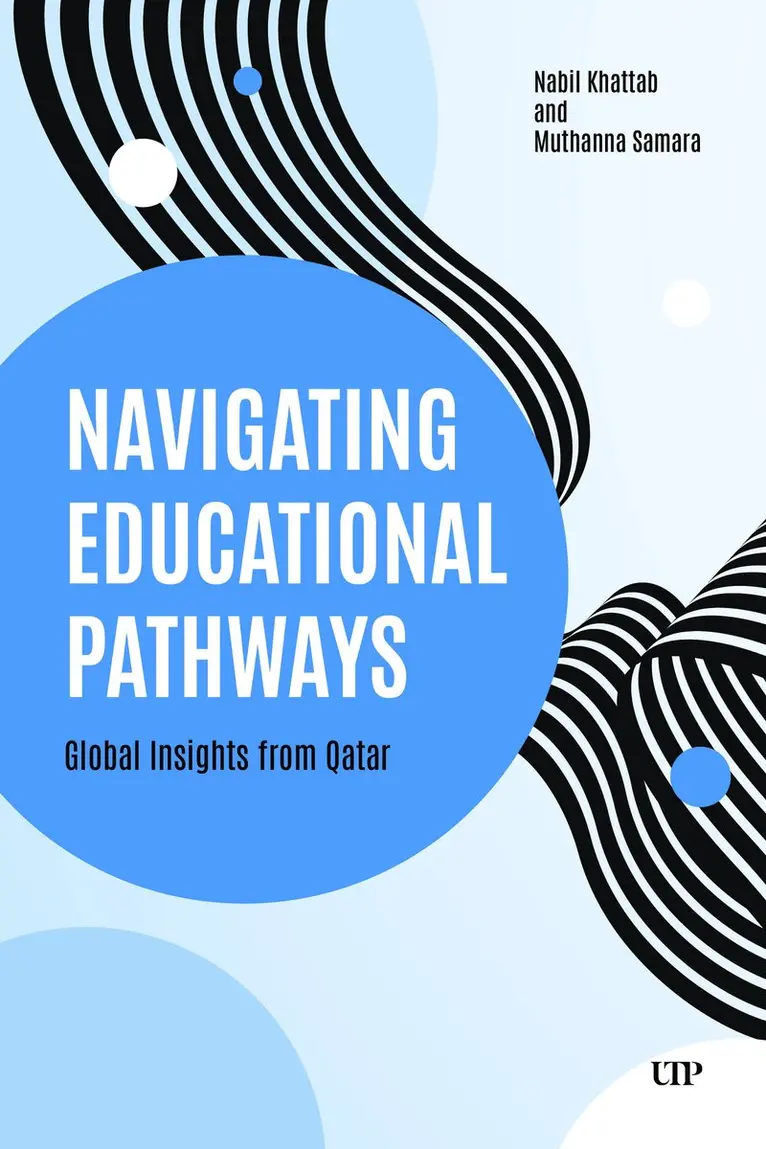
Qatar posits a challenging paradigm of a promise made by education systems everywhere: that effort and achievement determine where a young person ends up. In a rentier state where citizens enjoy privileged access to public-sector careers while the non-citizen majority competes intensely for futures contingent on a parent's work permit, the link between schooling and opportunity is complex. This book examines the resultant implications for young people's ambitions. Distinguishing aspirations from expectations, researchers Nabil Khattab and Muthanna Samara trace how the two diverge, and for whom. They follow this divergence across educational and occupational goals, connecting it to academic achievement, mental health, and the roles of parents, teachers, peers, gender, and migration background. The analysis draws on six waves of OECD's Programme for International Student Assessment (PISA), testing the educational abilities of 15-year-olds between 2006 and 2022, alongside an original survey of students and parents in Qatari schools, combining trend analysis, cluster analysis, and multilevel modelling of students nested within schools. Identifying aspiration–expectation misalignment as a consequential systemic failure, the authors develop the Socio-Ecological Aspirations Framework (SEAF) to explain these patterns, offering insights relevant beyond Qatar. Navigating Educational Pathways sets out five concrete reform directions spanning career guidance, mental health provision, family–school partnerships, and pathway diversification, demonstrating what equitable, context-sensitive reform requires.