695 kr
Skickas inom 10-15 vardagar
695 kr
Skickas inom 10-15 vardagar
1 073 kr
Skickas inom 10-15 vardagar
885 kr
Skickas inom 10-15 vardagar
1 139 kr
Skickas inom 10-15 vardagar
860 kr
Skickas inom 10-15 vardagar
604 kr
Skickas inom 10-15 vardagar
774 kr
Läs direkt efter köp
779 kr
Läs direkt efter köp
2 843 kr
Skickas inom 10-15 vardagar
814 kr
Läs direkt efter köp
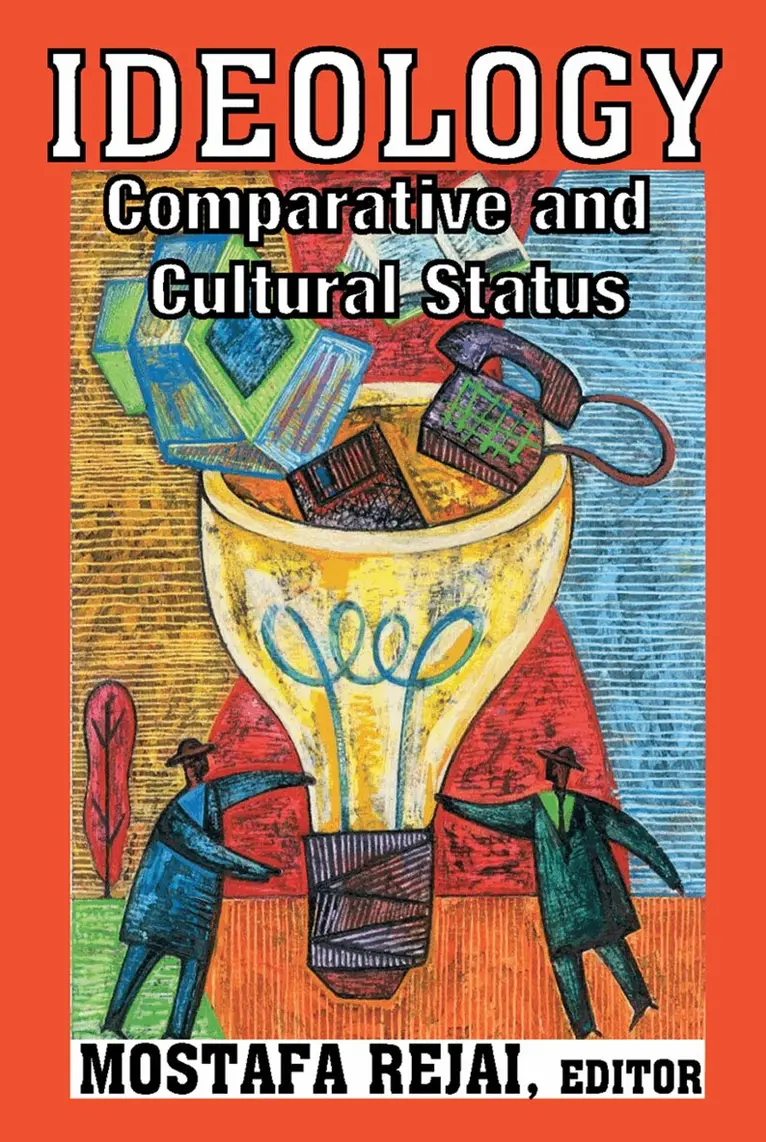
Since the early 1950s, the "decline of ideology" hypothesis has commanded a great deal of attention in the intellectual community at large. Th e controversy has taken both empirical and polemical turns. Th is book concentrates on the empirical literature, off ering both original contributions and previously published papers of outstanding importance. Selections were made to give full play to freshness of view and diversity of sources.
The book presents the hypothesis of ideological decline as set forth by two of its major spokesmen, brings together essays that subject this hypothesis to empirical tests in both Western and non-Western contexts, and then presents both positive and negative evaluations of the hypothesis. Avoiding an ex cathedra definition of ideology, the editor and contributors scrutinize the nature of ideology and its workings and suggest approaches to the comparative treatment of ideologies.
This book offers the first clear and wide-ranging overview of the putative decline of ideology, a concept burdened by a history of emotional argumentation. Changes in the function of ideology in the Soviet Union, the United States, Western Europe, and Japan are examined, and the ideological dimension of student movements of the 1960s is taken into account. Ideology: Comparative and Cultural Status is an expertly edited presentation of contrasting views of a vital topic. It is ideally suited for use in a variety of courses in the area of political thought and political sociology.
754 kr
Skickas inom 10-15 vardagar