2 526 kr
Skickas inom 10-15 vardagar
2 526 kr
Skickas inom 10-15 vardagar
607 kr
Skickas inom 10-15 vardagar
767 kr
Skickas inom 10-15 vardagar
710 kr
Läs direkt efter köp
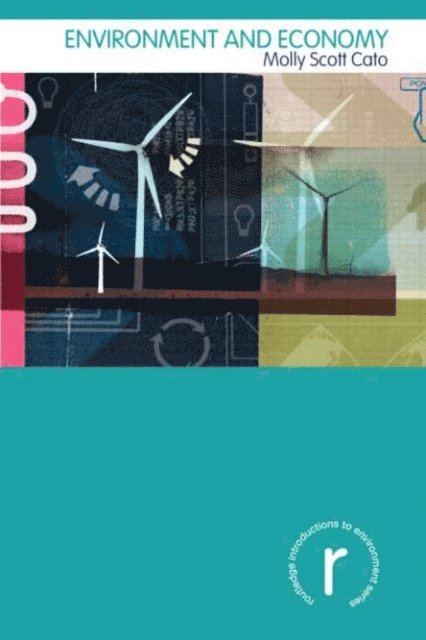
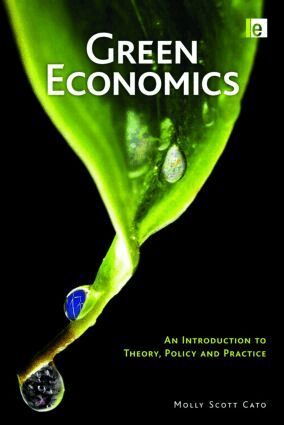
Nothing is more important to our world than finding a more comfortable relationship between the economy and the environment. While issues such as species loss, nitrate pollution, water scarcity and climate change are now attracting the political attention they deserve, their origin in the way our economy is organized is less frequently recognized. This book makes that connection both theoretically – with references to a number of heterodox approaches to economics – and practically through a number of specific issues.
Environment and Economy begins by introducing readers to the pioneers of this field, such as Fritz Schumacher and Paul Ehrlich, who first drew attention to the disastrous consequences for our environment of our ever-expanding economy. Part II outlines the contributions to the field of Neoclassical Economics, Environmental Economics, Ecological Economics, Green Economics and Anti-Capitalist Economics. Part III takes a pluralist approach to using economic tools to solve a range of environmental problems: economic growth, resource depletion, pollution, globalization, climate change and markets vs. commons.
Written in an accessible style, this introductory text offers students an engaging account of the ways that the various traditions of economic thought have approached the environment, bringing them together for the first time in one volume. The text is complemented by boxes, case studies and recommended reading for each theme addressed. It will be of value to students interested in environmental sciences, geography, green issues and economics.
710 kr
Läs direkt efter köp
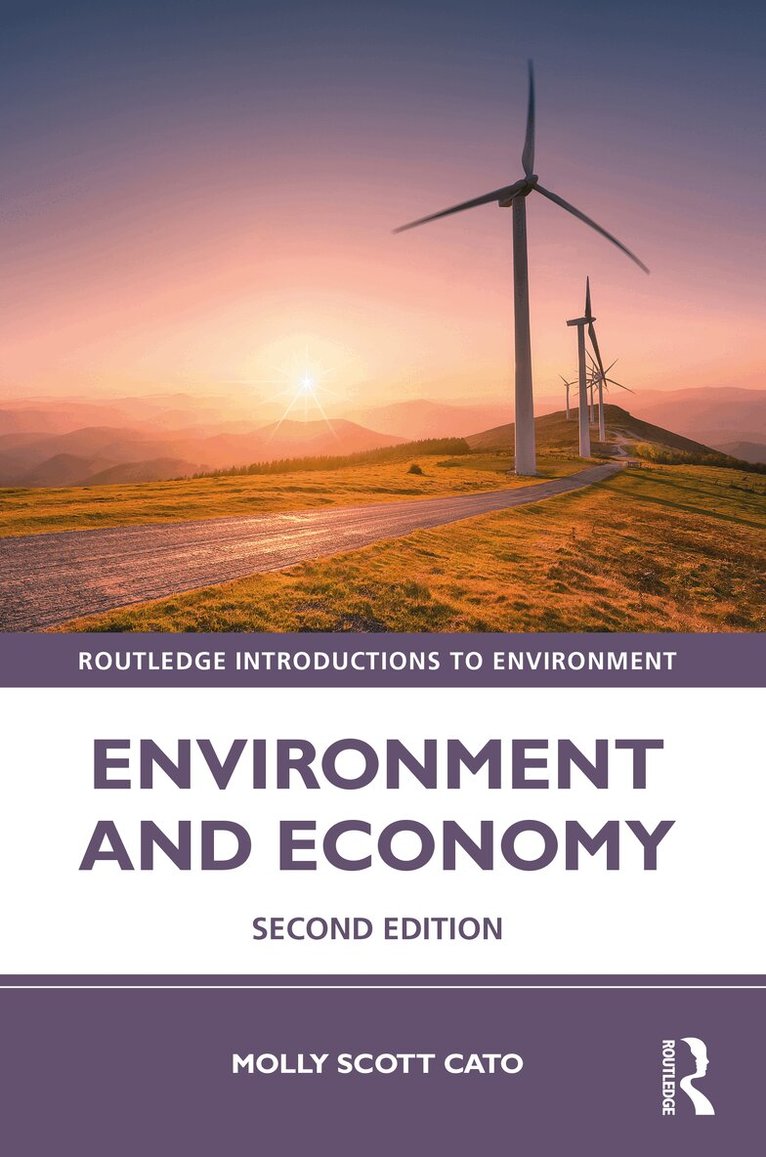
Nothing is more important to our world than finding a more comfortable relationship between the economy and the environment. While issues such as species loss, nitrate pollution, water scarcity and climate change are now attracting the political attention they deserve, their origin in the way our economy is organized is less frequently recognized. This book makes that connection both theoretically – with references to a number of heterodox approaches to economics – and practically through a number of specific issues.
Environment and Economy begins by introducing readers to the pioneers of this field, such as Fritz Schumacher and Paul Ehrlich, who first drew attention to the disastrous consequences for our environment of our ever-expanding economy. Part II outlines the contributions to the field of Neoclassical Economics, Environmental Economics, Ecological Economics, Green Economics and Anti-Capitalist Economics. Part III takes a pluralist approach to using economic tools to solve a range of environmental problems: economic growth, resource depletion, pollution, globalization, climate change and markets vs. commons.
Written in an accessible style, this introductory text offers students an engaging account of the ways that the various traditions of economic thought have approached the environment, bringing them together for the first time in one volume. The text is complemented by boxes, case studies and recommended reading for each theme addressed. It will be of value to students interested in environmental sciences, geography, green issues and economics.
511 kr
Skickas inom 7-10 vardagar
973 kr
Skickas inom 7-10 vardagar
877 kr
Läs direkt efter köp
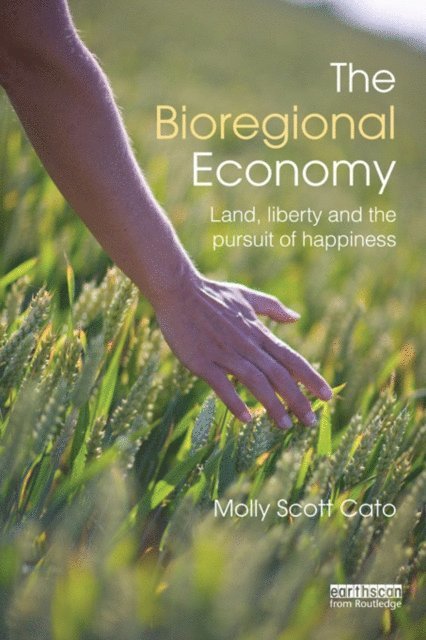
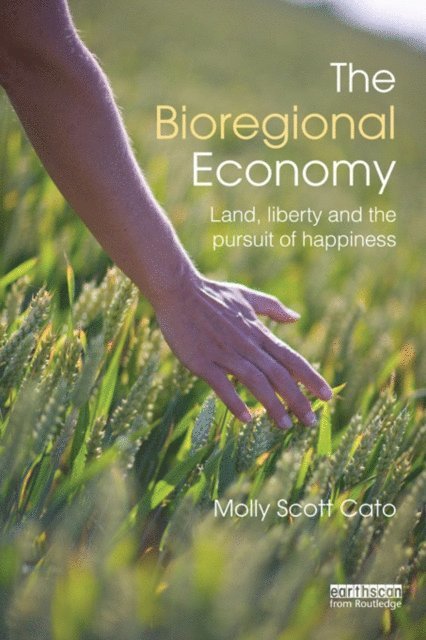
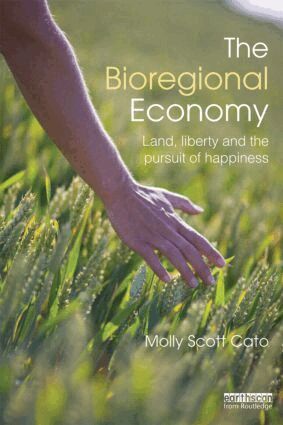
In a world of climate change and declining oil supplies, what is the plan for the provisioning of resources? Green economists suggest a need to replace the globalised economy, and its extended supply chains, with a more ‘local’ economy. But what does this mean in more concrete terms? How large is a local economy, how self-reliant can it be, and what resources will still need to be imported? The concept of the ‘bioregion’ — developed and popularised within the disciplines of earth sciences, biosciences and planning — may facilitate the reconceptualisation of the global economy as a system of largely self-sufficient local economies.
A bioregional approach to economics assumes a different system of values to that which dominates neoclassical economics. The global economy is driven by growth, and the consumption ethic that matches this is one of expansion in range and quantity. Goods are defined as scarce, and access to them is a process based on competition. The bioregional approach challenges every aspect of that value system. It seeks a new ethic of consumption that prioritises locality, accountability and conviviality in the place of expansion and profit; it proposes a shift in the focus of the economy away from profits and towards provisioning; and it assumes a radical reorientation of work from employment towards livelihood.
This book by leading green economist Molly Scott Cato sets out a visionary and yet rigorous account of what a bioregional approach to the economy would mean — and how to get there from here.
843 kr
Läs direkt efter köp
843 kr
Läs direkt efter köp
693 kr
Läs direkt efter köp
As environmental issues move to the centre of the political debate, more attention is being focused on the role our economy has played in creating the ecological crisis, and what a sustainable economy might look like. In spite of the success of the environmental movement in drawing attention to the crisis facing us, there has been comparatively little attention focused on the way the operation of the global economy contributes to this crisis.
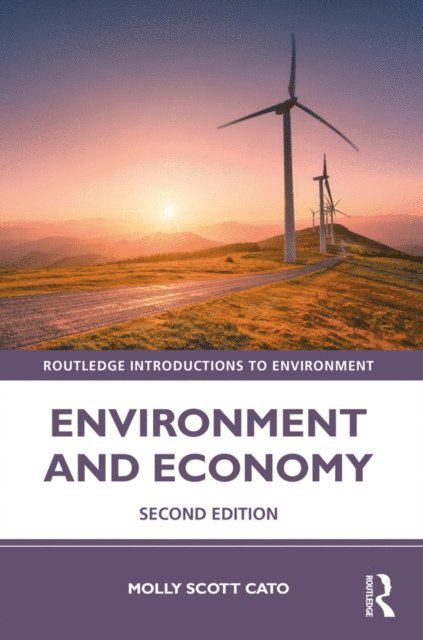
Environment and Economy provides a stimulating introductory insight into the history of thinking that has linked the economy and the environment. It begins by introducing readers to the pioneers of this field, such as Fritz Schumacher and Paul Ehrlich, who first drew attention to the disastrous consequences for our environment of our ever-expanding economy. Part two of the book describes the main academic responses to the need to resolve the tension between economy and environment: environmental economics, ecological economics, green economics, and anti-capitalist economics. Part three is structured around key themes including an introduction to economic instruments such as taxes and regulation; pollution and resource depletion; growth; globalization vs. localization and climate change. Each key issue is approached from a range of different perspectives, and working policies are presented in detail.
Written in an accessible style, this introductory text offers students with an engaging account of the way that the various traditions of economic thought have approached the environment, bringing them together for the first time in one volume. The text is complimented by boxes, case studies and recommended reading for each theme addressed. It will be of value to students interested in environmental sciences, geography, green issues and economics.
693 kr
Läs direkt efter köp
As environmental issues move to the centre of the political debate, more attention is being focused on the role our economy has played in creating the ecological crisis, and what a sustainable economy might look like. In spite of the success of the environmental movement in drawing attention to the crisis facing us, there has been comparatively little attention focused on the way the operation of the global economy contributes to this crisis.
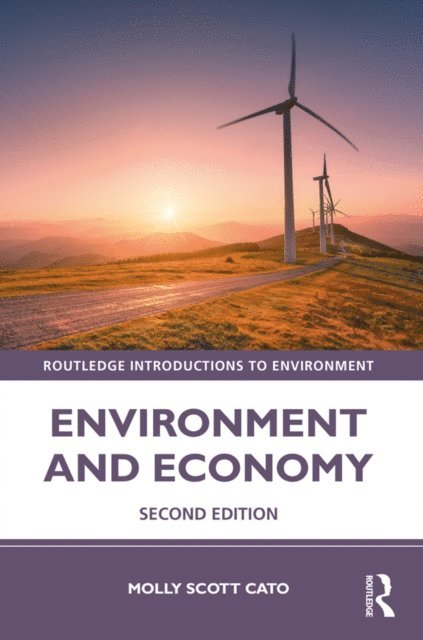
Environment and Economy provides a stimulating introductory insight into the history of thinking that has linked the economy and the environment. It begins by introducing readers to the pioneers of this field, such as Fritz Schumacher and Paul Ehrlich, who first drew attention to the disastrous consequences for our environment of our ever-expanding economy. Part two of the book describes the main academic responses to the need to resolve the tension between economy and environment: environmental economics, ecological economics, green economics, and anti-capitalist economics. Part three is structured around key themes including an introduction to economic instruments such as taxes and regulation; pollution and resource depletion; growth; globalization vs. localization and climate change. Each key issue is approached from a range of different perspectives, and working policies are presented in detail.
Written in an accessible style, this introductory text offers students with an engaging account of the way that the various traditions of economic thought have approached the environment, bringing them together for the first time in one volume. The text is complimented by boxes, case studies and recommended reading for each theme addressed. It will be of value to students interested in environmental sciences, geography, green issues and economics.
1 268 kr
Skickas inom 7-10 vardagar
625 kr
Läs direkt efter köp
156 kr
Skickas inom 7-10 vardagar
2 515 kr
Skickas inom 10-15 vardagar
721 kr
Skickas inom 10-15 vardagar
2 602 kr
Skickas inom 10-15 vardagar
823 kr
Skickas inom 10-15 vardagar
1 052 kr
Läs direkt efter köp
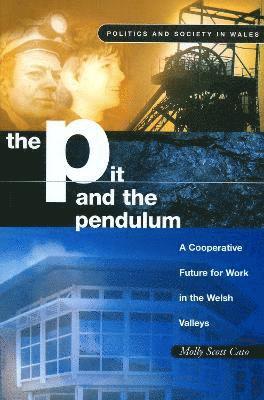
A Co-operative Future for Work in the Welsh Valleys
253 kr
Tillfälligt slut