2 136 kr
Skickas inom 10-15 vardagar
2 136 kr
Skickas inom 10-15 vardagar
1 022 kr
Läs direkt efter köp
1 022 kr
Läs direkt efter köp
2 735 kr
Skickas inom 7-10 vardagar
3 187 kr
Läs direkt efter köp
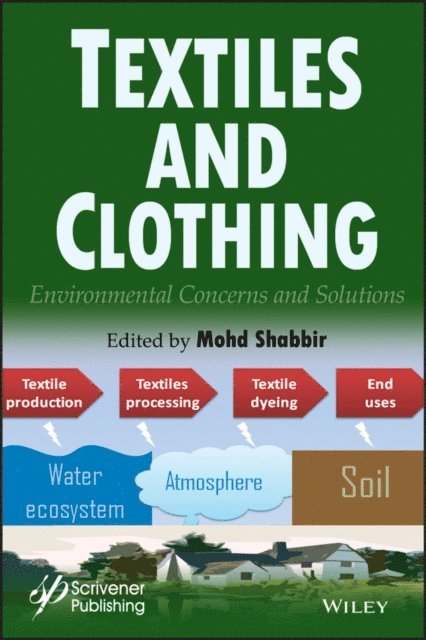
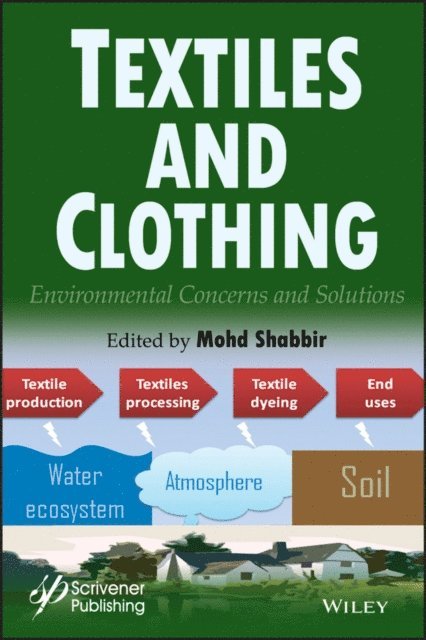
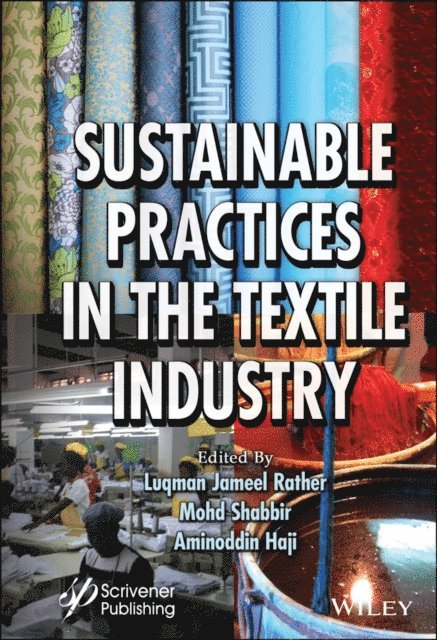
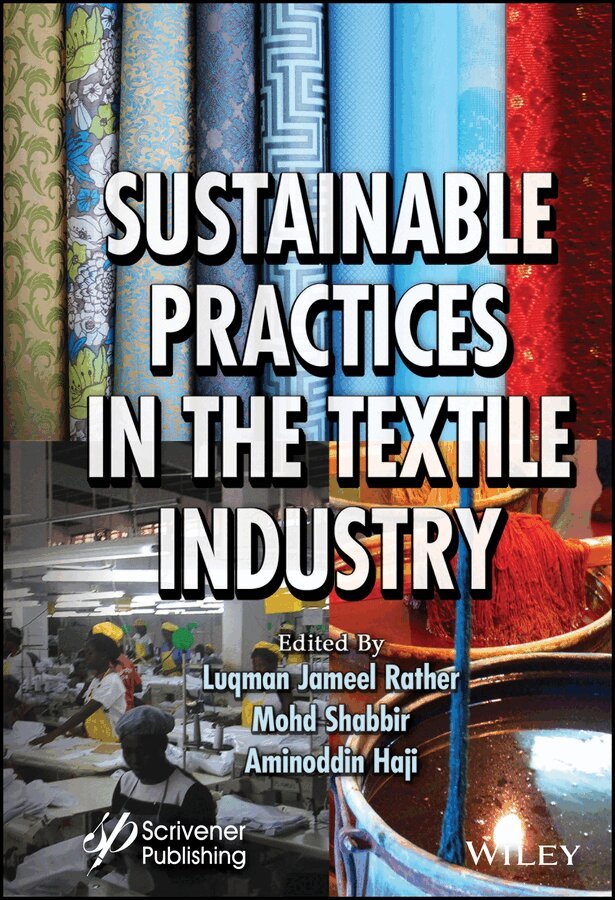
This timely and important book aims to help achieve a more sustainable textile industry; researchers from both textile and environmental domains will benefit from reading it.
Since it is imperative to rehabilitate our damaged environmental ecosystems, there is a pressing demand for more sustainable green processes in the textile and clothing industry. As a consequence, greater emphasis needs to be placed on research into eco-friendly processes particularly suited for this industry. With this goal in mind, all environmental aspects relating to the textile and clothing industry are discussed in this book in four broad areas:
Highlights the negative impact on the environment by textile industries; Discusses textiles finishing by natural or eco-friendly means; Promotes natural dyes as environment-friendly alternatives to synthetics; Reviews textile effluents remediation via chemical, physical and bioremediation.Included in the 11 informative chapters are topics covering the correlation between the environment and the processing and utilization of textiles and clothing. The book opens with a discussion on the direct impact that the textile industry has on the environment. The hazardous environmental consequences that synthetic dyes used to color textiles have on the environment are highlighted in the next chapter. Greener alternatives to dyeing are discussed in detail in the next chapters followed by a discussion of eco-friendly ways of finishing textiles. The book concludes with a section of chapters providing solutions to address the environmental hazards associated with the textile industry.
3 108 kr
Läs direkt efter köp
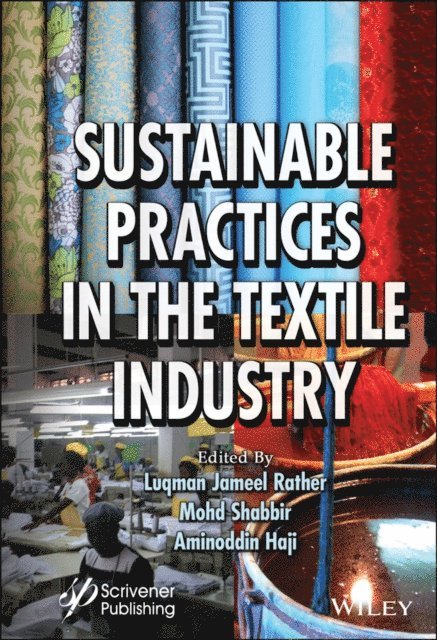
This timely and important book aims to help achieve a more sustainable textile industry; researchers from both textile and environmental domains will benefit from reading it.
Since it is imperative to rehabilitate our damaged environmental ecosystems, there is a pressing demand for more sustainable green processes in the textile and clothing industry. As a consequence, greater emphasis needs to be placed on research into eco-friendly processes particularly suited for this industry. With this goal in mind, all environmental aspects relating to the textile and clothing industry are discussed in this book in four broad areas:
Highlights the negative impact on the environment by textile industries; Discusses textiles finishing by natural or eco-friendly means; Promotes natural dyes as environment-friendly alternatives to synthetics; Reviews textile effluents remediation via chemical, physical and bioremediation.Included in the 11 informative chapters are topics covering the correlation between the environment and the processing and utilization of textiles and clothing. The book opens with a discussion on the direct impact that the textile industry has on the environment. The hazardous environmental consequences that synthetic dyes used to color textiles have on the environment are highlighted in the next chapter. Greener alternatives to dyeing are discussed in detail in the next chapters followed by a discussion of eco-friendly ways of finishing textiles. The book concludes with a section of chapters providing solutions to address the environmental hazards associated with the textile industry.
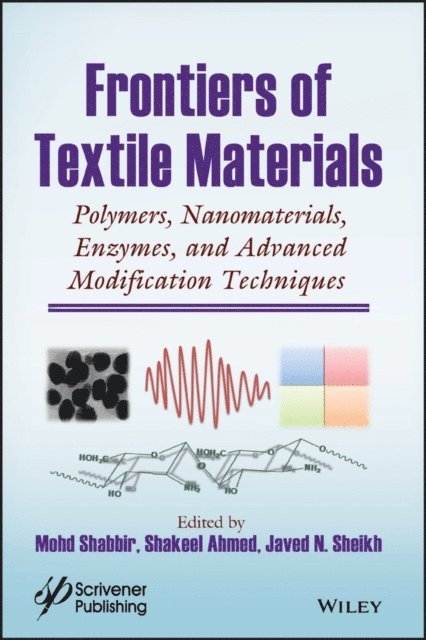
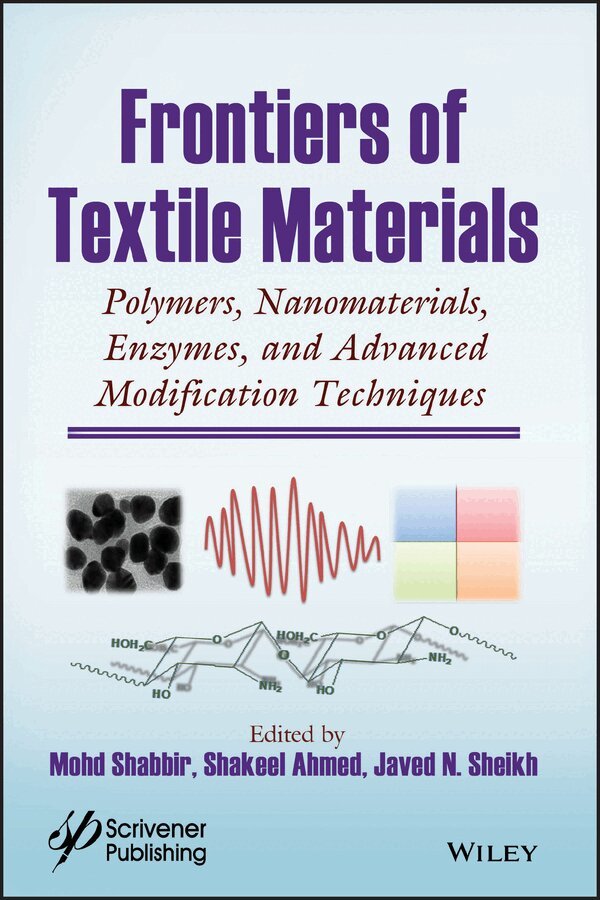
Polymers, Nanomaterials, Enzymes, and Advanced Modification Techniques
3 128 kr
Läs direkt efter köp
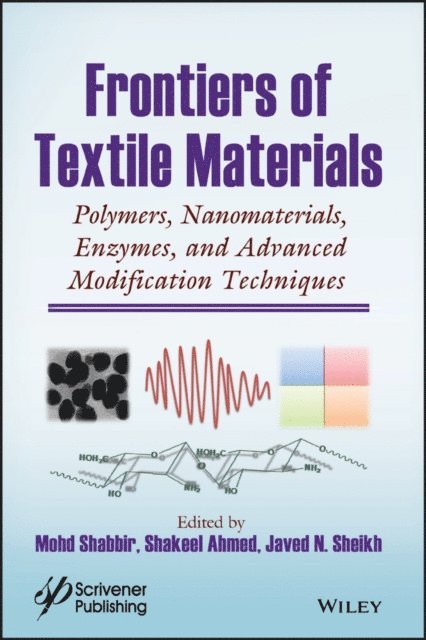
Polymers, Nanomaterials, Enzymes, and Advanced Modification Techniques
2 670 kr
Skickas inom 7-10 vardagar
Polymers, Nanomaterials, Enzymes, and Advanced Modification Techniques
3 106 kr
Läs direkt efter köp
2 559 kr
Skickas inom 11-20 vardagar
3 063 kr
Läs direkt efter köp
With the public enhanced awareness towards eco-preservation, eco-safety and health concerns, environmentally benign, nontoxic and sustainable bioresource materials produced mainly from non-food crops have revolutionized all industrial sectors particularly textile industry. In recent years, textile industries in developed countries are getting increasing interest in global interest due to the varied and changing world market conditions in terms of price, durability and fiber mixtures as well as design, colors, weight, ease of handling and product safety. The increasing environmental and health concerns owing to the use of large quantities of water and hazardous chemicals in conventional textile finishing processes lead to the design and development of new dyeing strategies and technologies. Effluents produced from these textiles wet processing industries are very diverse in chemical composition, ranging from inorganic finishing agents, surfactants, chlorine compounds, salts, total phosphate to polymers and organic products.
This aspect forced western countries to exploit their high technical skills in the advancements of textile materials for high quality technical performances, and development of cleaner production technologies for cost effective and value-added textile materials. Therefore, vast and effective research investigations have been undertaken all over the world to minimize the negative environmental impact of synthetic chemical agents through the sustainable harvest of eco-friendly bioresource materials.
The book will discuss following research developments in academic and industry:
Improvement in dye extraction and its applications Impact of textile dyeing on environment Textile finishing by natural and ecofriendly means Natural dyes as environmental-friendly bioresource products Textile effluent remediation via physical, chemical and biological processes.3 063 kr
Läs direkt efter köp
With the public enhanced awareness towards eco-preservation, eco-safety and health concerns, environmentally benign, nontoxic and sustainable bioresource materials produced mainly from non-food crops have revolutionized all industrial sectors particularly textile industry. In recent years, textile industries in developed countries are getting increasing interest in global interest due to the varied and changing world market conditions in terms of price, durability and fiber mixtures as well as design, colors, weight, ease of handling and product safety. The increasing environmental and health concerns owing to the use of large quantities of water and hazardous chemicals in conventional textile finishing processes lead to the design and development of new dyeing strategies and technologies. Effluents produced from these textiles wet processing industries are very diverse in chemical composition, ranging from inorganic finishing agents, surfactants, chlorine compounds, salts, total phosphate to polymers and organic products.
This aspect forced western countries to exploit their high technical skills in the advancements of textile materials for high quality technical performances, and development of cleaner production technologies for cost effective and value-added textile materials. Therefore, vast and effective research investigations have been undertaken all over the world to minimize the negative environmental impact of synthetic chemical agents through the sustainable harvest of eco-friendly bioresource materials.
The book will discuss following research developments in academic and industry:
Improvement in dye extraction and its applications Impact of textile dyeing on environment Textile finishing by natural and ecofriendly means Natural dyes as environmental-friendly bioresource products Textile effluent remediation via physical, chemical and biological processes.2 371 kr
Skickas inom 7-10 vardagar
3 045 kr
Läs direkt efter köp
The increasing environmental and health concerns owing to the use of large quantities of water and hazardous chemicals in conventional textile finishing processes has lead to the design and development of new dyeing strategies and technologies.
Sustainable Practices in the Textile Industry comprises 13 chapters from various research areas dealing with the application of different sustainable technologies for enhancing the dyeing and comfort properties of textile materials with substantial reduction in wastewater problems. Chapters focus on the sophisticated methods for improving dye extraction and dyeing properties which will minimize the use of bioresource products. This book also brings out the innovative ways of wet chemical processing to alleviate the environmental impacts arising from this sector. This book also discusses innovations in eco-friendly methods for textile wet processes and applications of enzymes in textiles in addition to the advancements in the use of nanotechnology for wastewater remediation.
2 786 kr
Läs direkt efter köp
The increasing environmental and health concerns owing to the use of large quantities of water and hazardous chemicals in conventional textile finishing processes has lead to the design and development of new dyeing strategies and technologies.
Sustainable Practices in the Textile Industry comprises 13 chapters from various research areas dealing with the application of different sustainable technologies for enhancing the dyeing and comfort properties of textile materials with substantial reduction in wastewater problems. Chapters focus on the sophisticated methods for improving dye extraction and dyeing properties which will minimize the use of bioresource products. This book also brings out the innovative ways of wet chemical processing to alleviate the environmental impacts arising from this sector. This book also discusses innovations in eco-friendly methods for textile wet processes and applications of enzymes in textiles in addition to the advancements in the use of nanotechnology for wastewater remediation.
2 605 kr
Skickas inom 7-10 vardagar
3 172 kr
Läs direkt efter köp
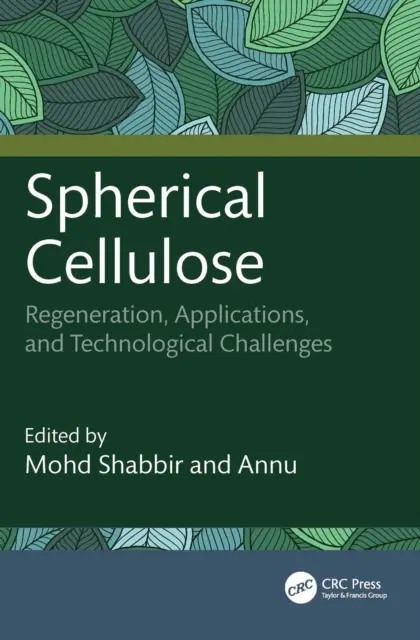
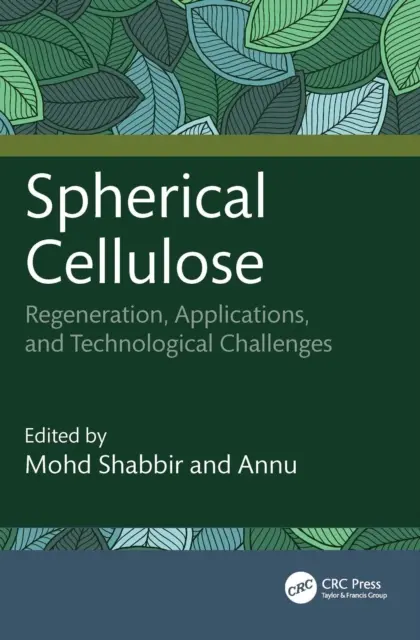
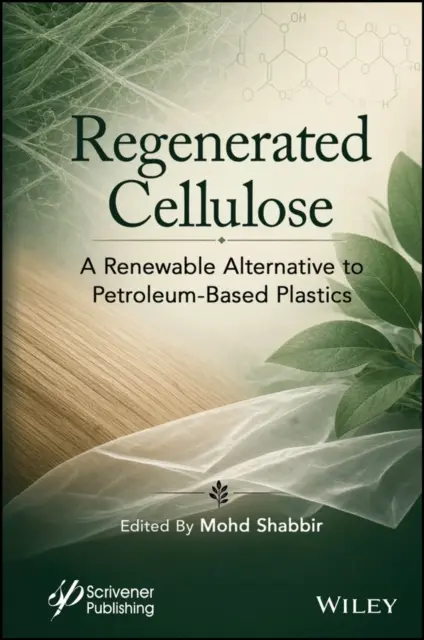
This comprehensive guide unlocks the potential of regenerated cellulose, offering researchers and engineers a definitive roadmap to overcoming cellulose insolubility and exploring next-generation innovations for sustainability.
In recent years, there has been a growing shift toward natural, renewable resources for daily applications. As one of the most abundant natural polymers on earth, cellulose plays a critical role in addressing these expanding demands. However, fully leveraging its potential requires overcoming the challenge of its insolubility in common solvents. This book focuses on the end-to-end processing of cellulose, from its initial dissolution and regeneration to its diverse downstream applications. It examines specific processes and applications of cellulose, including green solvents, environmental remediation applications, and its potential in flexible electronics, and addresses current challenges faced in the application of cellulose. This essential resource is designed to inspire researchers, scholars, engineers, and industry professionals to further utilize this sustainable material.
Readers will find the volume:
Addresses how dissolution of cellulose is important for many applications; Explores how morphology of regenerated materials affects the performance of regenerated cellulose; Discusses sustainability and production prospects of regenerated cellulose; Serves as a collection of recent literature in the field of regenerated cellulose.Audience
Researchers, engineers, students and industry professionals working in cellulose chemistry, polymers, water treatment, food safety and biomedical sciences.
3 194 kr
Läs direkt efter köp
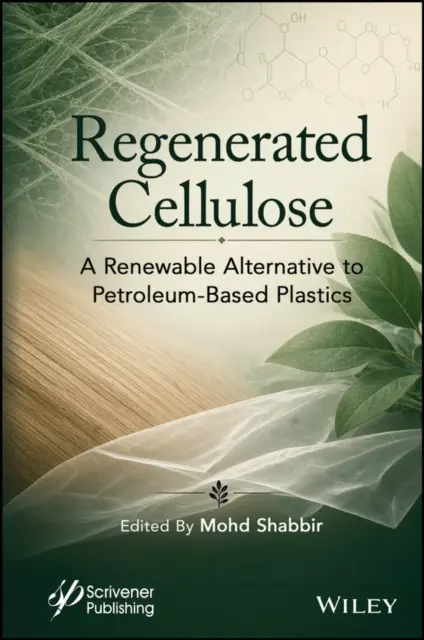
This comprehensive guide unlocks the potential of regenerated cellulose, offering researchers and engineers a definitive roadmap to overcoming cellulose insolubility and exploring next-generation innovations for sustainability.
In recent years, there has been a growing shift toward natural, renewable resources for daily applications. As one of the most abundant natural polymers on earth, cellulose plays a critical role in addressing these expanding demands. However, fully leveraging its potential requires overcoming the challenge of its insolubility in common solvents. This book focuses on the end-to-end processing of cellulose, from its initial dissolution and regeneration to its diverse downstream applications. It examines specific processes and applications of cellulose, including green solvents, environmental remediation applications, and its potential in flexible electronics, and addresses current challenges faced in the application of cellulose. This essential resource is designed to inspire researchers, scholars, engineers, and industry professionals to further utilize this sustainable material.
Readers will find the volume:
Addresses how dissolution of cellulose is important for many applications; Explores how morphology of regenerated materials affects the performance of regenerated cellulose; Discusses sustainability and production prospects of regenerated cellulose; Serves as a collection of recent literature in the field of regenerated cellulose.Audience
Researchers, engineers, students and industry professionals working in cellulose chemistry, polymers, water treatment, food safety and biomedical sciences.
1 727 kr
Skickas inom 10-15 vardagar
2 274 kr
Läs direkt efter köp
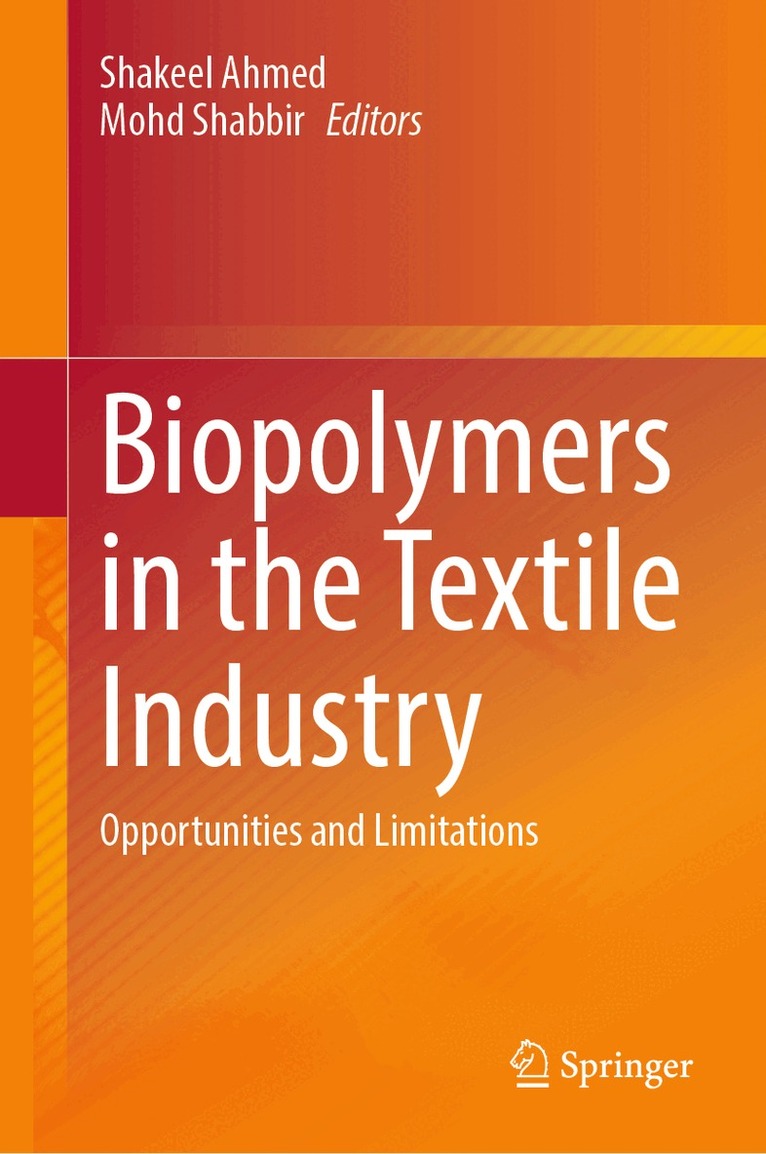
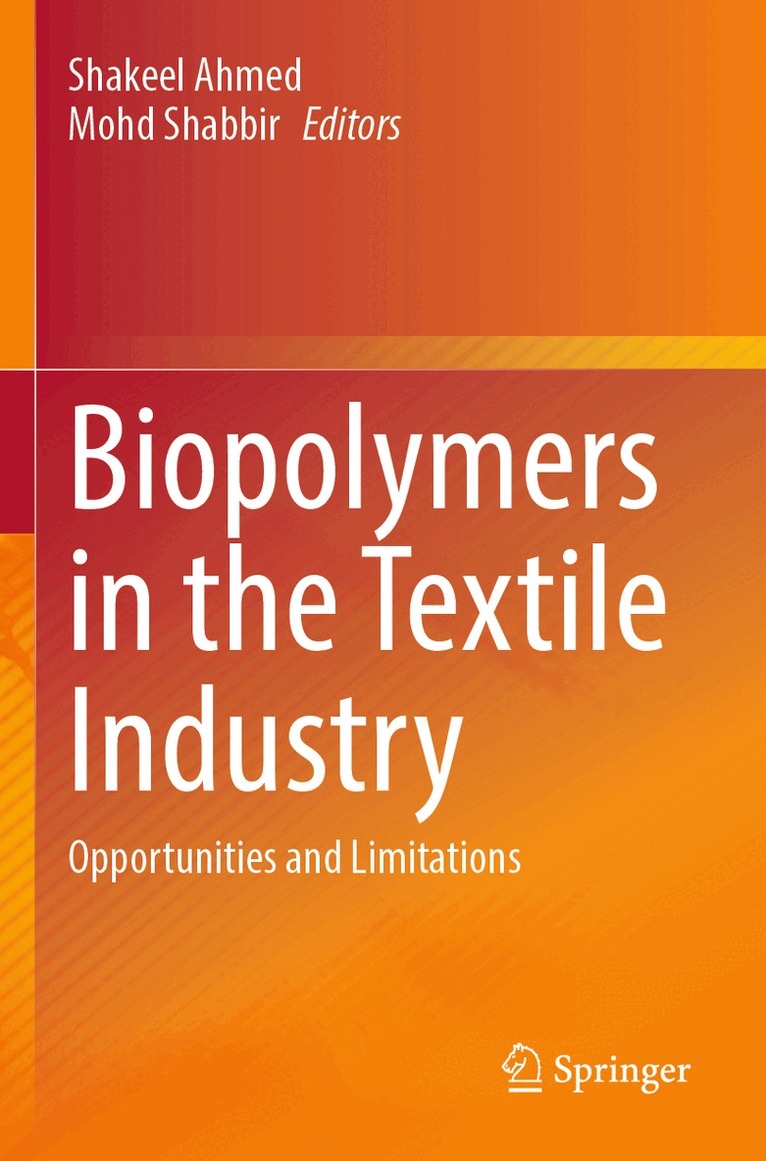
This book highlights the comprehensive overview of the current status and future potential of biopolymers in the textile industry, including the properties and performance of different types of biopolymers, the applications of biopolymers in various textile products, the challenges and limitations associated with their use, and the environmental impact and economic benefits of biopolymers in the textile industry. The textile industry is one of the largest and most important industries in the world, but it also has a significant environmental impact due to the use of non-renewable and non-biodegradable materials. Biopolymers, which are derived from renewable biological sources such as plants and microorganisms, have the potential to be a sustainable alternative to traditional textile materials. However, the use of biopolymers in the textile industry is still a relatively new and rapidly evolving field, and there is a need for more information and understanding about the opportunitiesand limitations associated with their use.
1 297 kr
Skickas inom 10-15 vardagar
2 400 kr
Skickas inom 10-15 vardagar
3 284 kr
Läs direkt efter köp
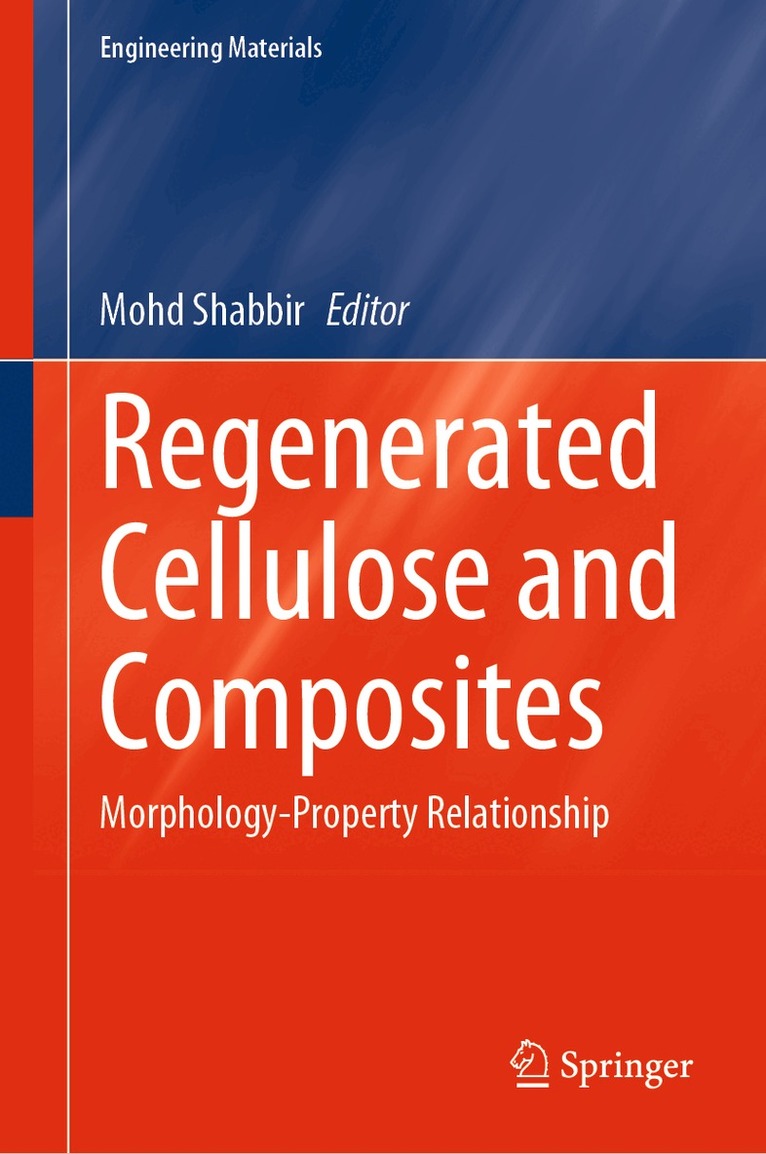
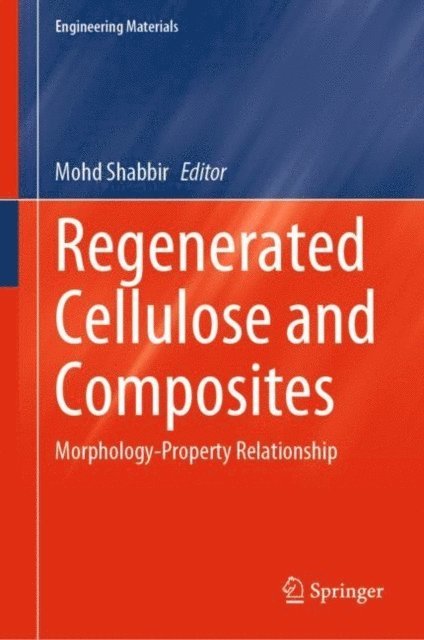
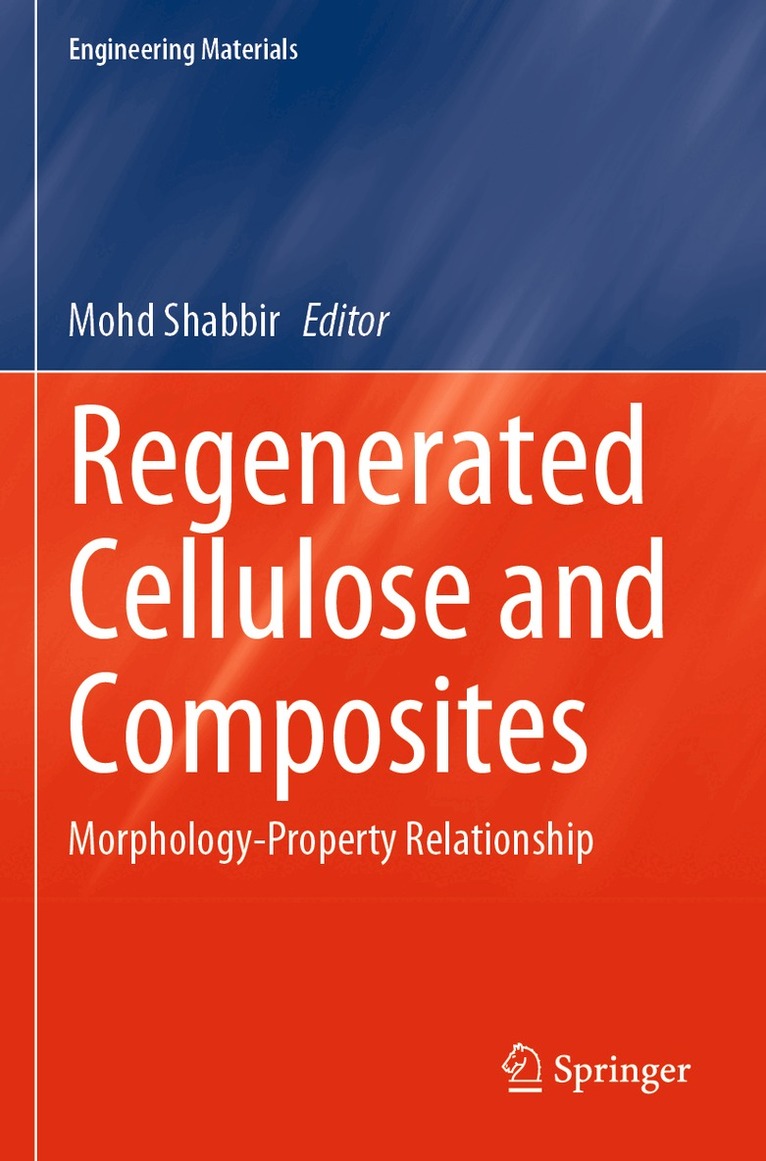
This book highlights the morphology-property relationship of regenerated cellulose materials and composites, as morphology of materials is the key feature and corresponds to associated applications of/to the materials. It is highly essential to assimilate the literature on morphology-property relationship of cellulose materials. Being the most abundant natural polymer on earth and gateway to large number of applications, cellulose is expected to be researched for higher efficiencies. Various books and research articles have targeted the specific morphologies, the respective characteristics and application areas. This book presents literature on morphology-property relationship of cellulose materials and provides a direction to this relationship.
646 kr
Skickas inom 7-10 vardagar
2 400 kr
Skickas inom 10-15 vardagar
John Wiley & Sons Inc
3 149 kr
Tillfälligt slut
John Wiley & Sons Inc
3 086 kr
Tillfälligt slut
John Wiley & Sons Inc
2 580 kr
Tillfälligt slut