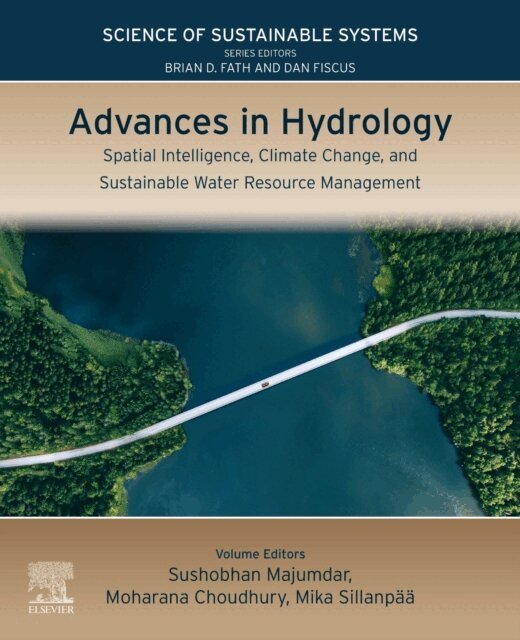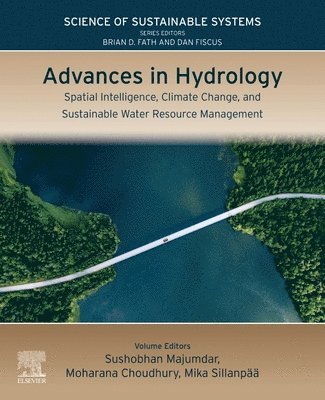
Advances in Hydrology
Spatial Intelligence, Climate Change, and Sustainable Water Resource Management
1 562 kr
Skickas inom 11-20 vardagar
Spatial Intelligence, Climate Change, and Sustainable Water Resource Management
1 562 kr
Skickas inom 11-20 vardagar
Spatial Intelligence, Climate Change, and Sustainable Water Resource Management
1 974 kr
Läs direkt efter köp
2 084 kr
Skickas inom 11-20 vardagar
2 427 kr
Läs direkt efter köp
2 212 kr
Skickas inom 11-20 vardagar
2 819 kr
Läs direkt efter köp
1 015 kr
Läs direkt efter köp
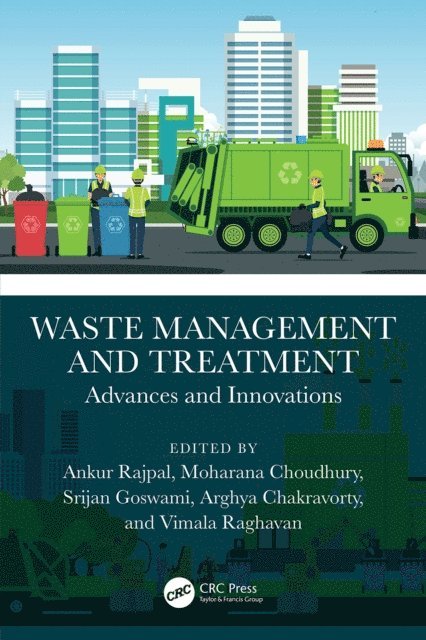
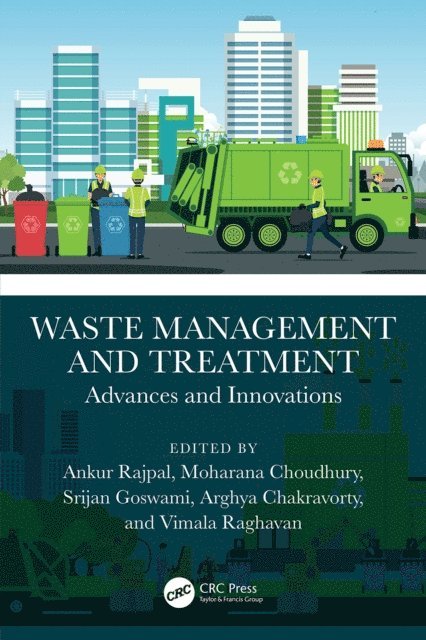
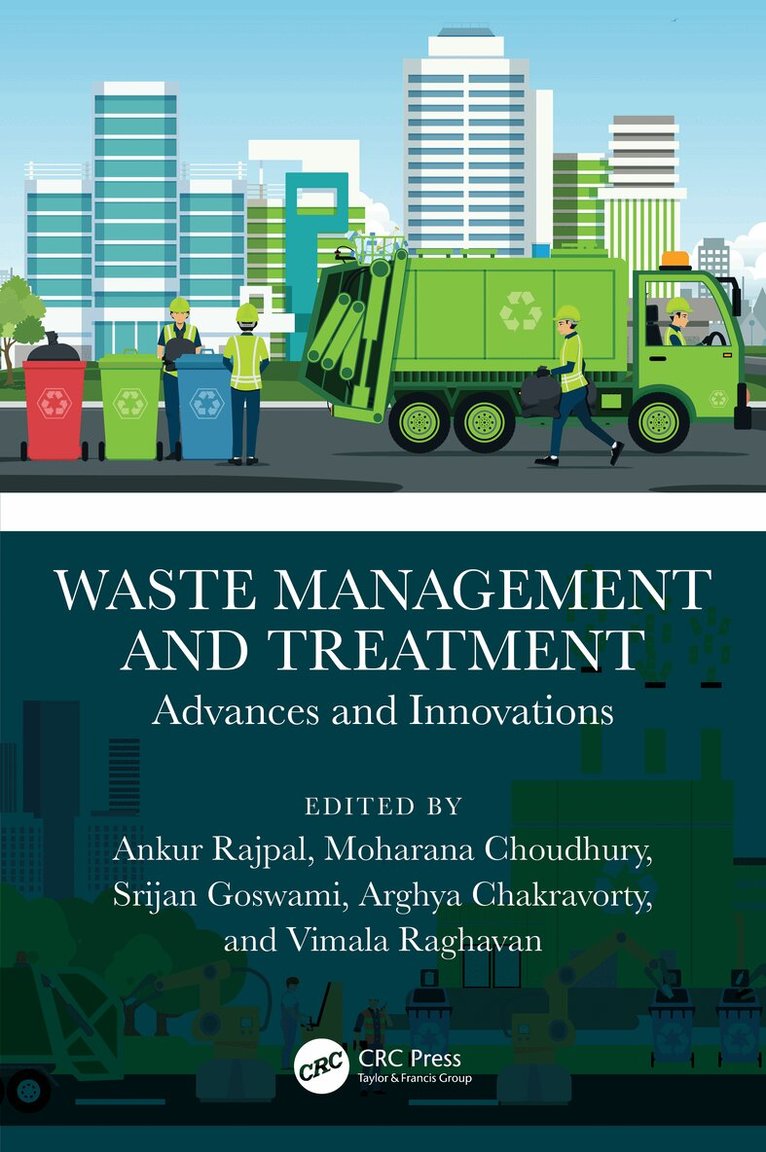
This book covers environmental and economic waste treatment with resource recovery strategies covering mining, urban, agricultural, industrial, and sewage wastes. It includes waste management, life-cycle assessment, recycling, and recovering valuable materials from blast furnace slags, iron ore, coal, and bauxite mining. Wastewater recycling, reuse, treatment methods, and economic gain through nanotechnology are covered, along with biochemical study cycles in mining waste and tailing, landfill stabilization, energy, and nutrient recovery from household, urban, and hazardous waste.
Features:
Includes details on the generation and composition of hazardous wastes Focuses on practices in waste management followed in developing countries Illustrates the concept of energy and resource recovery Explains ethical, innovative management strategies dealing with solid, biomedical, and chemical wastes Discusses sustainable nanotechnology and engineered materials for treatment of biological and chemical pollutants in wastewaterThis book is aimed at researchers and graduate students in environmental engineering and management.
1 829 kr
Skickas inom 10-15 vardagar
823 kr
Skickas inom 10-15 vardagar
1 893 kr
Skickas inom 10-15 vardagar
1 028 kr
Skickas inom 10-15 vardagar
383 kr
Skickas inom 10-15 vardagar
1 893 kr
Skickas inom 10-15 vardagar
446 kr
Läs direkt efter köp
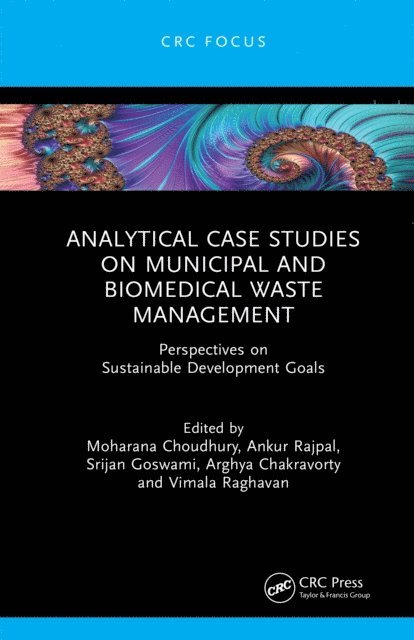
Effective waste management practices are essential to mitigate unfavourable impacts and achieve the Sustainable Development Goals. This book covers perspectives addressing the Sustainable Development Goals through analytical and case studies on municipal and biomedical waste management. It consists of ten selectively curated highly technical chapters covering various aspects of achieving the Sustainable Development Goals through applying effective waste management strategies and practices through practical case studies and examples.
Features:
Analysis of over 30 real-life case studies reviewed from local as well as global perspectives Discusses application of technologies in real time Addresses the 17 Sustainable Development Goals at ground level Covers a broad range of case studies on municipal solid waste and biomedical waste treatment and management Reviews the latest evidence-based approach in diagnosis and managementThis book is aimed at researchers and graduate students in environmental engineering and management.
443 kr
Läs direkt efter köp
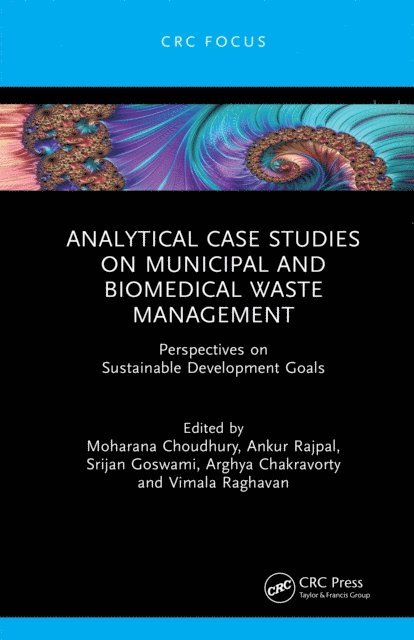
Effective waste management practices are essential to mitigate unfavourable impacts and achieve the Sustainable Development Goals. This book covers perspectives addressing the Sustainable Development Goals through analytical and case studies on municipal and biomedical waste management. It consists of ten selectively curated highly technical chapters covering various aspects of achieving the Sustainable Development Goals through applying effective waste management strategies and practices through practical case studies and examples.
Features:
Analysis of over 30 real-life case studies reviewed from local as well as global perspectives Discusses application of technologies in real time Addresses the 17 Sustainable Development Goals at ground level Covers a broad range of case studies on municipal solid waste and biomedical waste treatment and management Reviews the latest evidence-based approach in diagnosis and managementThis book is aimed at researchers and graduate students in environmental engineering and management.
1 030 kr
Läs direkt efter köp
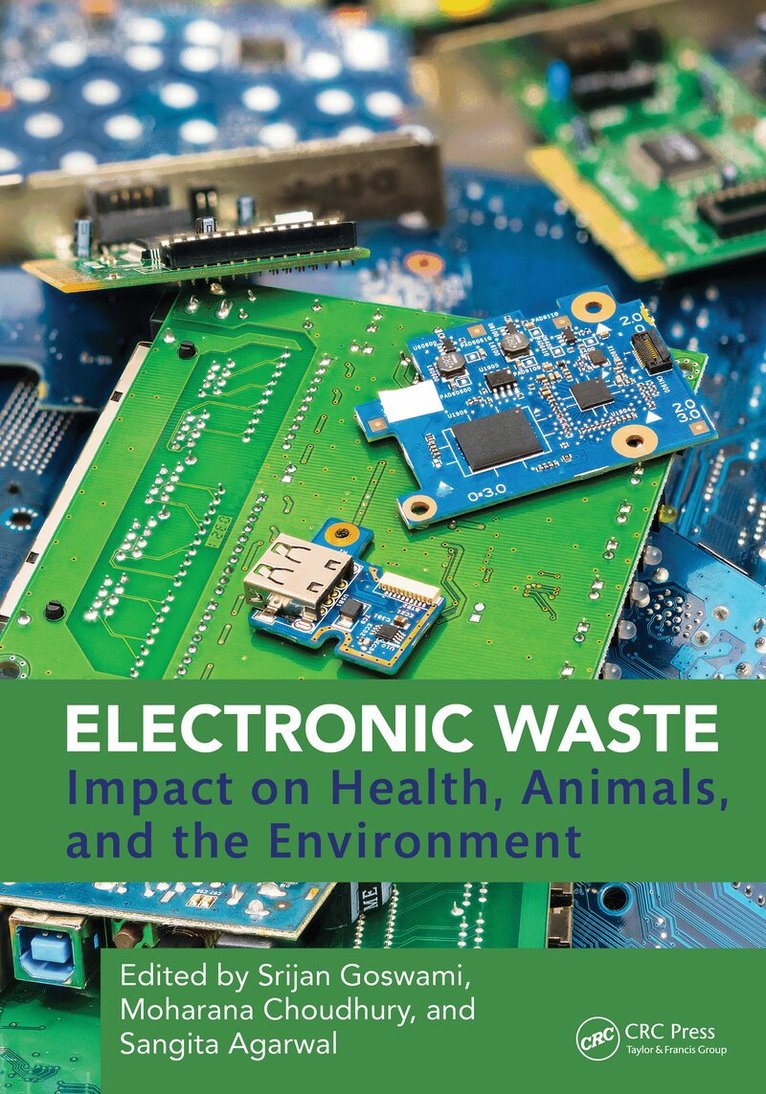
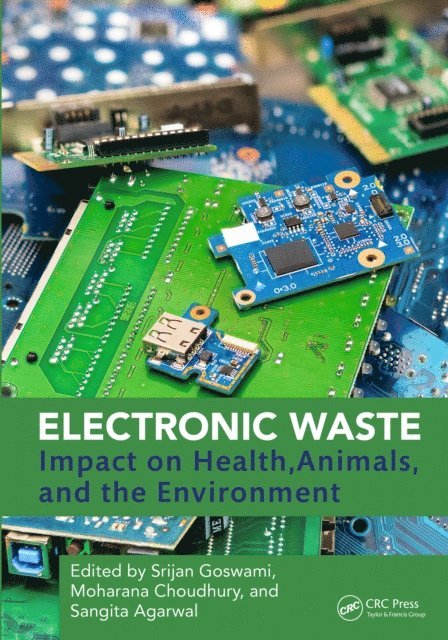
This book examines the detrimental impact of electronic waste on human health, animal welfare, and environmental ecosystems. The initial chapter discusses and explores the damaging effect of electronic waste on human health, animal welfare, and environmental ecosystems. The initial chapter discusses electronic waste’s sources, composition, and toxicity. The book exposes the far-reaching consequences of electronic waste on our planet, from the contamination of air, water, and soil to the alarming threats to wildlife, insects, and microorganisms. It also underscores the risks of e-waste to food safety, animal farming practices, public health, and the nervous system.
Furthermore, the book delves into innovative recycling technologies, systematic management strategies, and the economic impacts associated with e-waste management, emphasizing the necessity of sustainable value chains and adopting a circular economy approach. It offers insights into the financial dimensions of e-waste management and the potential for creating sustainable value chains.
It provides a comprehensive perspective on this global challenge and offers sustainable solutions for the future. This book is a valuable resource for researchers, policymakers, and environmentalists working to understand the harmful impact of electronic waste on health, the environment, and sustainability. The sources are composition, and toxicity of electronic waste.
Key features
Examines the threats posed by electronic waste (e-waste) to human, animal, and environmental health Presents sources, types, composition, and toxicity of electronic waste Places a strong emphasis on the impact of e-waste on wildlife and biodiversity, highlighting threats to ecosystems Reviews impact of electronic waste on animal farming practices and the associated health concerns Discusses innovative recycling technologies and systematic management strategies for e-waste Explores the potential for a circular economy approach in e-waste management, emphasizing sustainability1 045 kr
Läs direkt efter köp
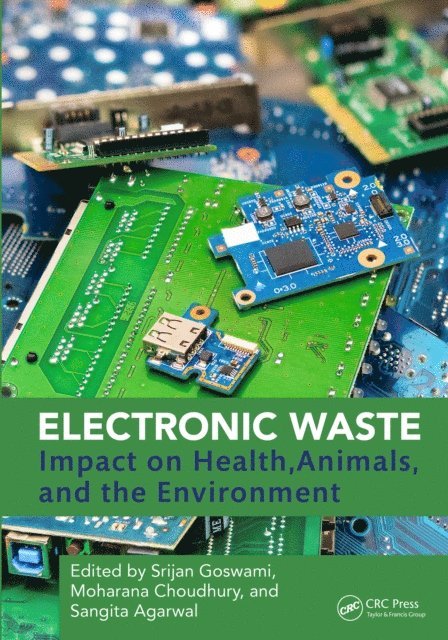
This book examines the detrimental impact of electronic waste on human health, animal welfare, and environmental ecosystems. The initial chapter discusses and explores the damaging effect of electronic waste on human health, animal welfare, and environmental ecosystems. The initial chapter discusses electronic waste’s sources, composition, and toxicity. The book exposes the far-reaching consequences of electronic waste on our planet, from the contamination of air, water, and soil to the alarming threats to wildlife, insects, and microorganisms. It also underscores the risks of e-waste to food safety, animal farming practices, public health, and the nervous system.
Furthermore, the book delves into innovative recycling technologies, systematic management strategies, and the economic impacts associated with e-waste management, emphasizing the necessity of sustainable value chains and adopting a circular economy approach. It offers insights into the financial dimensions of e-waste management and the potential for creating sustainable value chains.
It provides a comprehensive perspective on this global challenge and offers sustainable solutions for the future. This book is a valuable resource for researchers, policymakers, and environmentalists working to understand the harmful impact of electronic waste on health, the environment, and sustainability. The sources are composition, and toxicity of electronic waste.
Key features
Examines the threats posed by electronic waste (e-waste) to human, animal, and environmental health Presents sources, types, composition, and toxicity of electronic waste Places a strong emphasis on the impact of e-waste on wildlife and biodiversity, highlighting threats to ecosystems Reviews impact of electronic waste on animal farming practices and the associated health concerns Discusses innovative recycling technologies and systematic management strategies for e-waste Explores the potential for a circular economy approach in e-waste management, emphasizing sustainability1 030 kr
Läs direkt efter köp
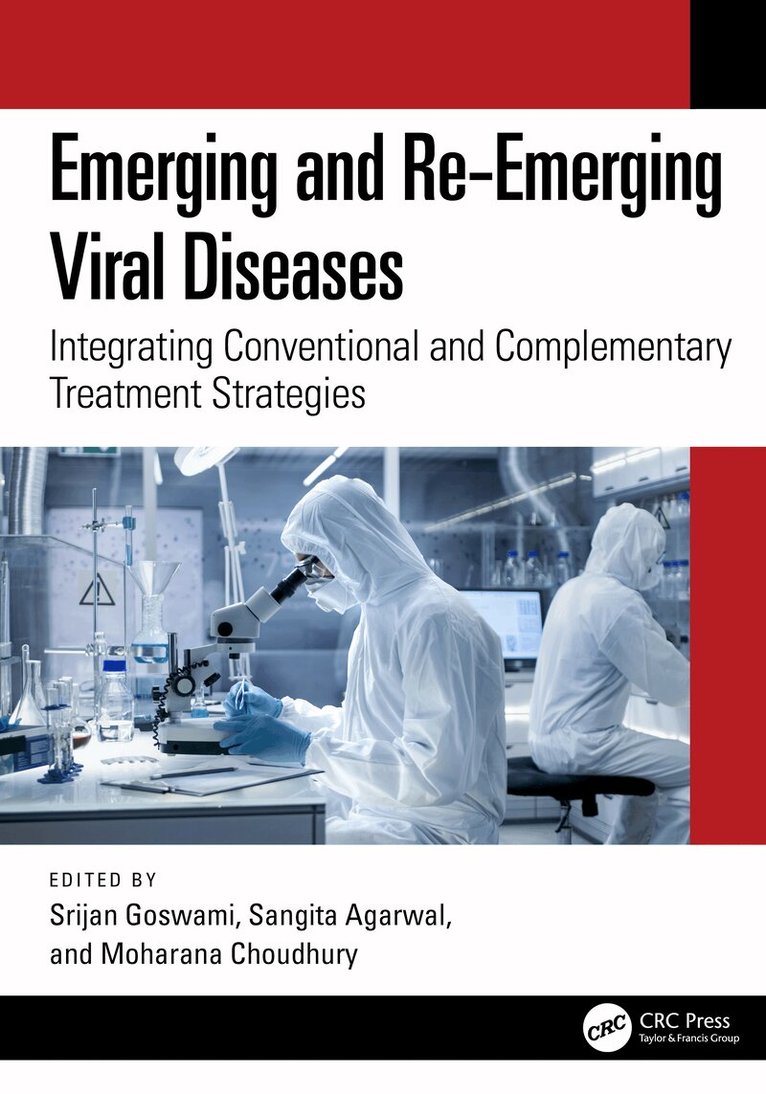
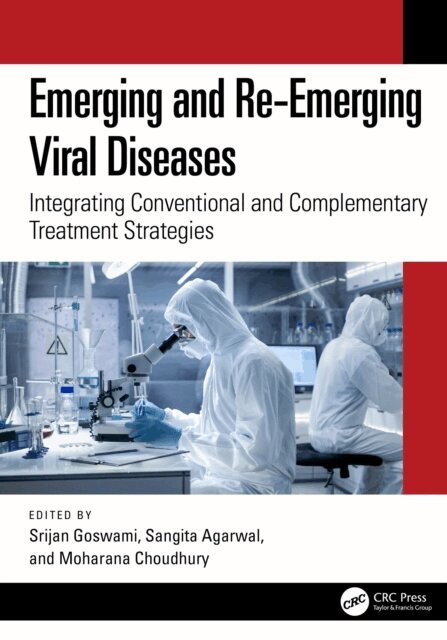
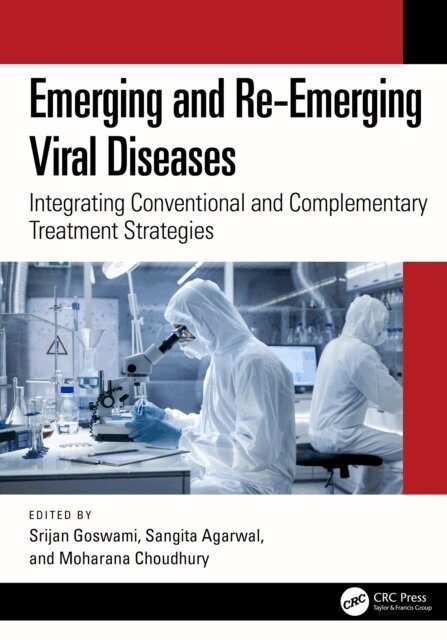
This reference book offers an in-depth analysis of the fundamental aspects, causative agents, and clinical manifestations of emerging and re-emerging infectious diseases of viral origin (EID-REID). It elucidates the role of evolutionary processes in the emergence, adaptation, and dissemination of pathogens. The initial chapter explores the causative agents behind EID-REID, providing a comprehensive overview of their origins, characteristics, and modes of transmission. The book further presents the structure, pathophysiology, and clinical presentation of various viral pathogens, including notable viruses such as the Crimean-Congo hemorrhagic fever Orthonairovirus (CCHFV), Rift Valley fever virus, Lassa virus, Nipah virus (NiV), Filoviridae, and coronaviruses (MERS, SARS, SARS-CoV-2). Additionally, the book elucidates the multifaceted landscape of treatment strategies, highlighting the pivotal role of pharmacological strategies, investigational drugs, vaccines, and immunomodulatory approaches. It also underscores the importance of clinical examination, immunoassays, and molecular diagnostic techniques for the early detection and accurate diagnosis of viral EID-REID. Toward the end, the book sheds light on the pivotal role of the Ayurveda, homoeopathic system of medicine, medical nutrition therapy, computational biology, bioinformatics, and systems biology in advancing disease management paradigms. This book is intended for epidemiologists, virologists, infectious disease specialists, and other healthcare practitioners who seek in-depth knowledge about emerging and re-emerging infectious diseases.
1 052 kr
Läs direkt efter köp
This reference book offers an in-depth analysis of the fundamental aspects, causative agents, and clinical manifestations of emerging and re-emerging infectious diseases of viral origin (EID-REID). It elucidates the role of evolutionary processes in the emergence, adaptation, and dissemination of pathogens. The initial chapter explores the causative agents behind EID-REID, providing a comprehensive overview of their origins, characteristics, and modes of transmission. The book further presents the structure, pathophysiology, and clinical presentation of various viral pathogens, including notable viruses such as the Crimean-Congo hemorrhagic fever Orthonairovirus (CCHFV), Rift Valley fever virus, Lassa virus, Nipah virus (NiV), Filoviridae, and coronaviruses (MERS, SARS, SARS-CoV-2). Additionally, the book elucidates the multifaceted landscape of treatment strategies, highlighting the pivotal role of pharmacological strategies, investigational drugs, vaccines, and immunomodulatory approaches. It also underscores the importance of clinical examination, immunoassays, and molecular diagnostic techniques for the early detection and accurate diagnosis of viral EID-REID. Toward the end, the book sheds light on the pivotal role of the Ayurveda, homoeopathic system of medicine, medical nutrition therapy, computational biology, bioinformatics, and systems biology in advancing disease management paradigms. This book is intended for epidemiologists, virologists, infectious disease specialists, and other healthcare practitioners who seek in-depth knowledge about emerging and re-emerging infectious diseases.
2 850 kr
Läs direkt efter köp
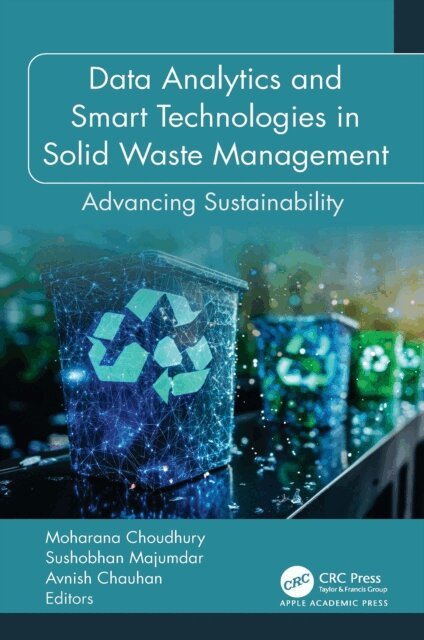
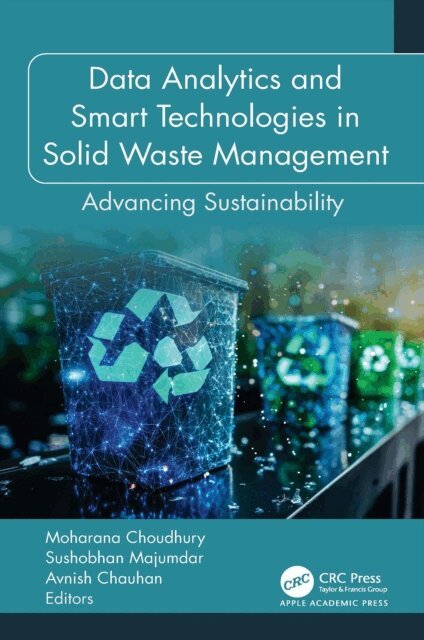
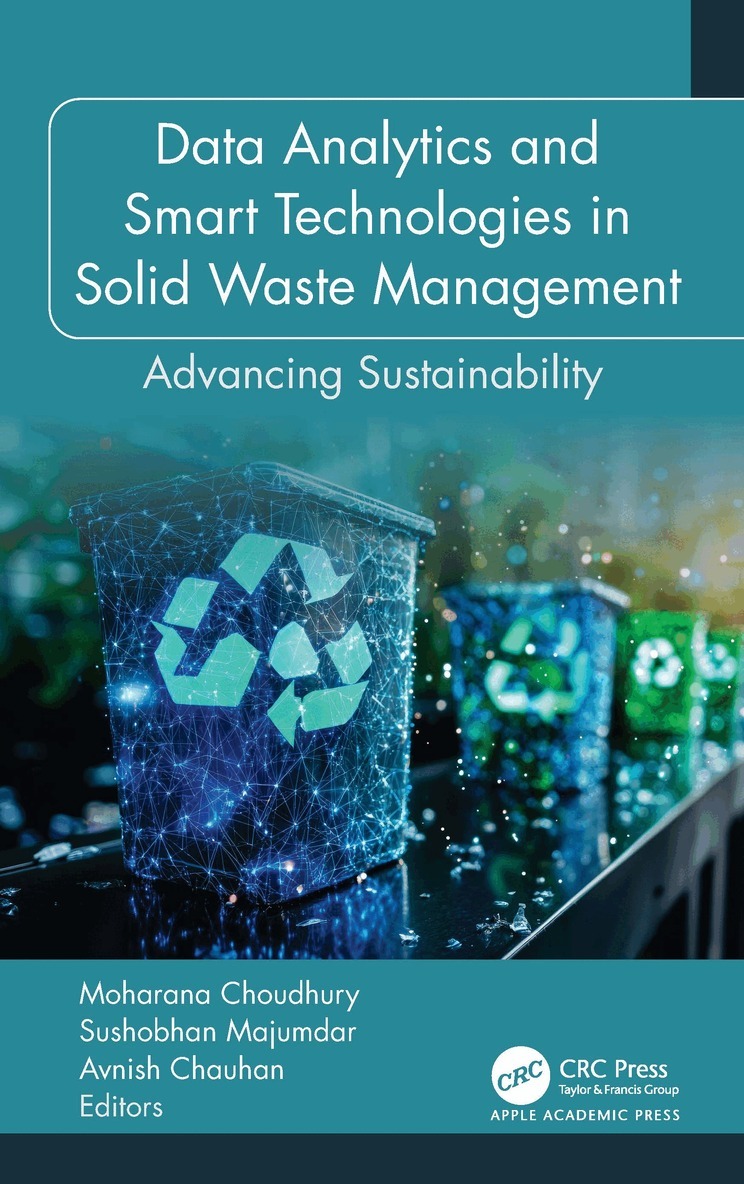
In an era marked by unprecedented technological advancement and heightened environmental awareness, this new volume, Data Analytics and Smart Technologies in Solid Waste Management: Advancing Sustainability, offers a crucial and timely exploration of how modern innovations and technologies can transform waste management practices. This book bridges the gap between cutting-edge data analytics and sustainable environmental practices, presenting a comprehensive examination of how smart technologies can enhance the efficiency, effectiveness, and ecological impact of solid waste management systems. As the world grapples with mounting waste generation and its adverse effects on ecosystems and human health, this volume underscores the urgent need for innovative solutions that leverage big data, machine learning, IoT, and other technological advancements.
The insightful chapters, authored by leading experts in this field, provide a deep understanding of the current landscape, emerging trends, and future directions of waste management practices. The volume first provides an introduction to solid waste management, covering why it matters, its diversity, and the environmental and health impacts of inadequate management. The volume looks a waste generation and management trends, including techniques and technologies for material recovery, waste segregation, etc.
Responsible waste disposal, treatment, and recycling strategies are discussed, including managing landfills, anaerobic digestion and composting, hazardous and special wastes, incineration processes and emission control, and energy recovery. The volume also addresses the policies, regulations, and outlook in environmental management focusing on cutting-edge technologies and innovative approaches to waste management for sustainable practices that involve data-driven solutions and smart waste technologies. Chapters also cover management of macro-plastic/micro-plastic waste, waste management in a changing climate, and more. Case studies of waste management in specific areas of the world are presented as well.
By highlighting real-world case studies and practical applications, this book addresses the theoretical aspects and also provides actionable insights for researchers, practitioners, decision makers, and policymakers. The volume aims to inspire and empower stakeholders across the globe to adopt sustainable practices, ultimately contributing to a cleaner, healthier planet for future generations.
2 182 kr
Skickas inom 7-10 vardagar
2 503 kr
Läs direkt efter köp
Comprehensive resource detailing the generation of agricultural waste and providing insight into waste management
Agriculture Waste Management and Bioresource provides thorough coverage of the generation of agricultural waste with essential thought leadership about various options in managing the waste, including composting, vermicomposting to form manure, and biogas generation. Readers take a crucial step toward more sustainable development and creating a greener planet.
The text includes a wide range of information regarding resource recovery from the waste of the agriculture sector, energy generation, biofuels, reduction in the amount and volume of waste through circular economies, and much more. The authors place particular importance on understanding and managing agricultural waste concerning the sustainability of the environment in the era of global climate change.
Topics covered in Agriculture Waste Management and Bioresource include:
Categories and amounts of agricultural wastes seen in a worldwide perspective and current challenges and perspectives in handling agricultural wastes State-of-the-art processing technologies relevant for agricultural wastes categories and sustainable methods used for management of agricultural??biomass Bioethanol production from lignocellulose waste of agricultural waste biomass and biogas production through anaerobic digestion of agricultural wastes Mechanical and chemical processing, aerobic and anaerobic treatment, other biological processing methods, and thermal processingAcademics, students, and industry professionals in environmental science and engineering, waste management, and agriculture can use the valuable insights in Agriculture Waste Management and Bioresource to understand the latest in the field and the advancements that can propel us towards a better and more sustainable future.
2 393 kr
Skickas inom 7-10 vardagar
2 901 kr
Läs direkt efter köp
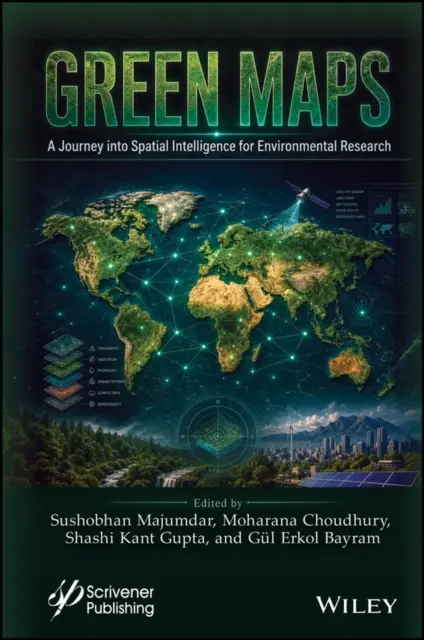
Discover how spatial intelligence transitions from a technical tool to an indispensable global strategy, offering the actionable, interdisciplinary blueprints needed to conquer our planet’s most urgent environmental crises.
In recent years, the increasing urgency of environmental challenges has spurred a growing need for innovative and interdisciplinary approaches to understand, monitor, and address complex ecological issues. This book takes readers on a captivating journey through the dynamic field of spatial intelligence, exploring its pivotal role in understanding and addressing the complex challenges facing our planet. Through compelling case studies and real-world applications, it demonstrates how spatial intelligence supports monitoring deforestation, tracking biodiversity, managing natural resources, controlling environmental pollution, and advancing environmental monitoring. Beyond the technical foundations, the book examines the broader impact of spatial intelligence on environmental policy, sustainability, and global awareness. By emphasizing its interdisciplinary nature, this essential volume encourages readers to envision a future where spatial intelligence becomes indispensable for fostering a deeper understanding of Earth’s systems and guiding more informed, sustainable environmental decision-making.
2 901 kr
Läs direkt efter köp
2 486 kr
Skickas inom 10-15 vardagar
2 194 kr
Skickas inom 10-15 vardagar