2 173 kr
Skickas inom 11-20 vardagar
2 173 kr
Skickas inom 11-20 vardagar
3 095 kr
Läs direkt efter köp
2 301 kr
Skickas inom 11-20 vardagar
2 301 kr
Skickas inom 11-20 vardagar
2 301 kr
Skickas inom 11-20 vardagar
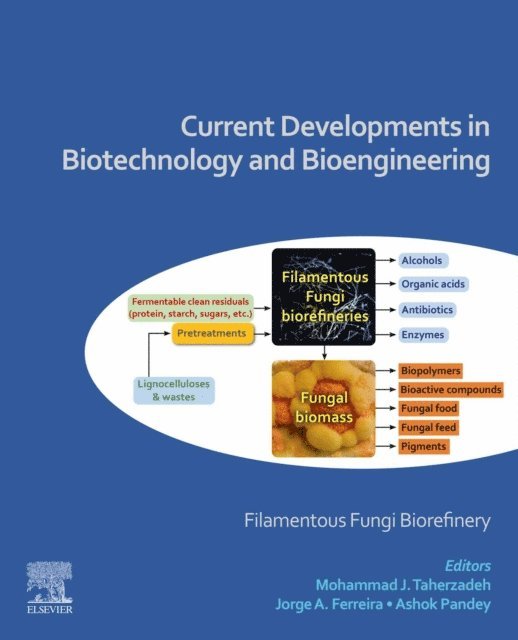
Filamentous Fungi Biorefinery, the latest release in the Current Developments in Biotechnology and Bioengineering series, builds on knowledge on the classification of filamentous fungi and presence and roles played in ecosystems. The importance of filamentous fungi is then further corroborated through a description of their present applications in biotechnological processes. Knowledge on fungal biology is extended through discussion on structure and composition together with a description of growth potentialities of filamentous fungi in/on a wide range of substrates. In addition, the morphology of filamentous fungi is then described and its implications during integration in industrial processes is discussed.
The book then provides an overview on the use of filamentous fungi for the production of a wide range of value-added products, including feed and food products, alcohols, organic acids, pigments, enzymes, antibiotics and biopolymers. All provided state-of-arts are extended to a description of the present degree of application of filamentous fungi towards the production of those products using low-value substrates, identification of research gaps, and proposes future research avenues.
Presents the first book dedicated to the use of filamentous fungi for process development within waste management Discusses the transfer of research knowledge into industrial processes and marketable products Includes industrial applications of filamentous fungi towards valorization of low-value substrates Provides up-to-date knowledge on research and application fields that can benefit from the integration of filamentous fungi3 277 kr
Läs direkt efter köp
3 277 kr
Läs direkt efter köp
3 277 kr
Läs direkt efter köp
2 441 kr
Skickas inom 11-20 vardagar
3 091 kr
Läs direkt efter köp
2 626 kr
Kommande
2 276 kr
Läs direkt efter köp
1 383 kr
Skickas inom 11-20 vardagar
Sustainable Resource Recovery and Zero Waste Approaches covers waste reduction, biological, thermal and recycling methods of waste recovery, and their conversion into a variety of products. In addition, the social, economic and environmental aspects are also explored, making this a useful textbook for environmental courses and a reference book for both universities and companies.
Provides a novel approach on how to achieve zero wastes in a society Shows the roadmap on achieving Sustainable Development Goals Considers critical aspects of municipal waste management Covers recent developments in waste biorefinery, thermal processes, anaerobic digestion, material recycling and landfill mining1 967 kr
Läs direkt efter köp
2 515 kr
Skickas inom 10-15 vardagar
2 892 kr
Läs direkt efter köp
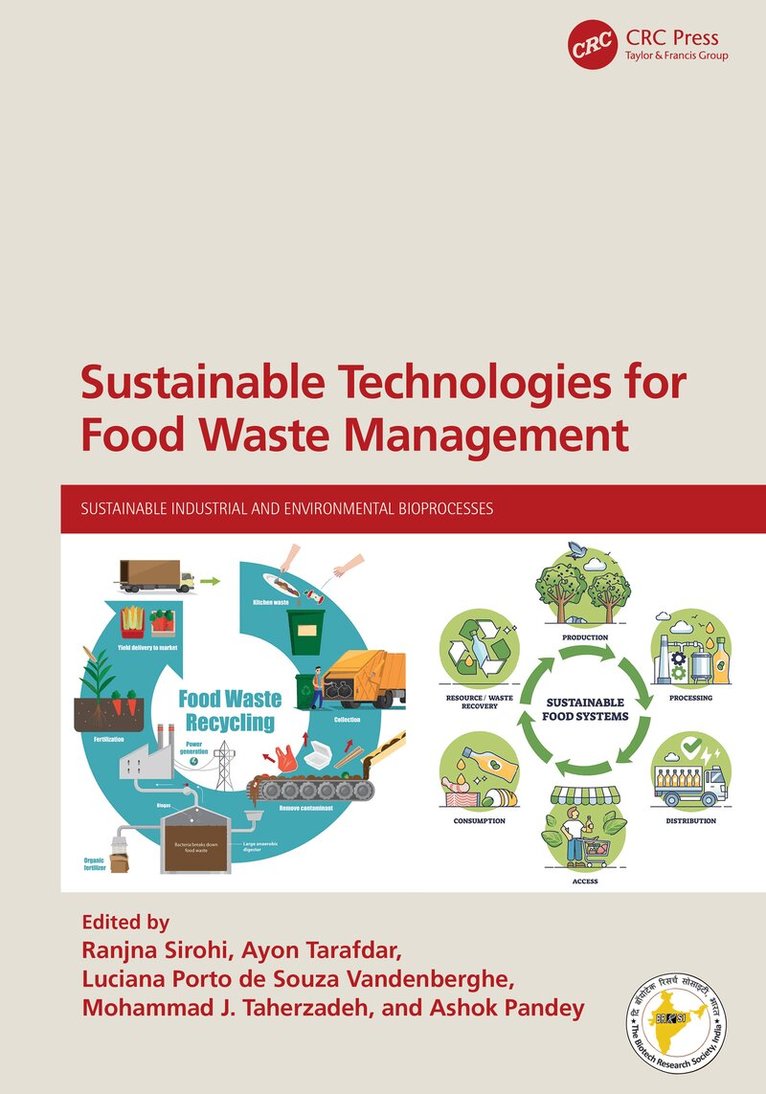
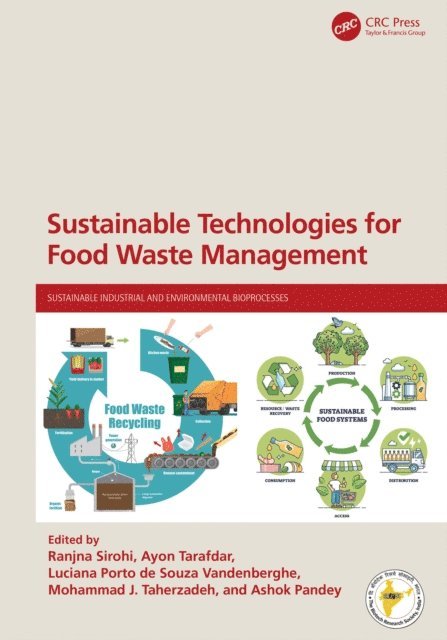
This book comprehensively explores various aspects of food waste management, ranging from understanding the issue to innovative solutions that convert waste into valuable resources. The initial chapters provide an in-depth analysis of advanced methods for characterizing food waste. The book examines cutting-edge methodologies, including physico-chemical, thermal, and biological approaches, for converting food waste into valuable resources such as biohydrogen, biopolymers, biogas, organic acids, bioactive compounds, biochar, compost, and vermicompost. Additionally, it delves into the utilization of advanced technologies like machine learning, the Internet of Things (IoT), sensors, and robotics for food waste treatment and management, thus contributing to a sustainable future. It underscores the conversion of food waste into renewable energy sources, sustainable materials, and valuable compounds. This book will be useful for researchers, practitioners, and policymakers seeking sustainable approaches to tackle the global challenge of food waste.
Offers in-depth insights into advanced methods for characterizing food waste, enabling precise and targeted waste reduction strategies Examines physico-chemical, thermal, and biological approaches for converting food waste into valuable resources Presents machine learning, IoT, sensors, and robotics for sustainable food waste management and treatment Highlights the conversion of food waste into valuable resources, including biohydrogen, biopolymers, bioactive compounds, compost, and vermicompost Provides specific details about the food waste supply chain and associated policies2 871 kr
Läs direkt efter köp
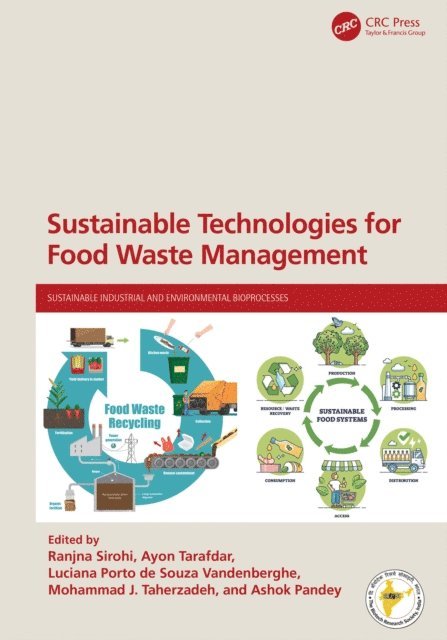
This book comprehensively explores various aspects of food waste management, ranging from understanding the issue to innovative solutions that convert waste into valuable resources. The initial chapters provide an in-depth analysis of advanced methods for characterizing food waste. The book examines cutting-edge methodologies, including physico-chemical, thermal, and biological approaches, for converting food waste into valuable resources such as biohydrogen, biopolymers, biogas, organic acids, bioactive compounds, biochar, compost, and vermicompost. Additionally, it delves into the utilization of advanced technologies like machine learning, the Internet of Things (IoT), sensors, and robotics for food waste treatment and management, thus contributing to a sustainable future. It underscores the conversion of food waste into renewable energy sources, sustainable materials, and valuable compounds. This book will be useful for researchers, practitioners, and policymakers seeking sustainable approaches to tackle the global challenge of food waste.
Offers in-depth insights into advanced methods for characterizing food waste, enabling precise and targeted waste reduction strategies Examines physico-chemical, thermal, and biological approaches for converting food waste into valuable resources Presents machine learning, IoT, sensors, and robotics for sustainable food waste management and treatment Highlights the conversion of food waste into valuable resources, including biohydrogen, biopolymers, bioactive compounds, compost, and vermicompost Provides specific details about the food waste supply chain and associated policies1 360 kr
Skickas inom 10-15 vardagar
1 609 kr
Läs direkt efter köp
Current development results in a linear flow from raw material to waste, which cannot be sustainable in the long term. Plus, a global population of 7 billion people means that there are 7 billion waste producers in the world. At present, dumping and landfilling are the primary practices for getting rid of municipal solid waste (MSW). However, this waste contains resources that we’ve yet to utilize. To create sustainable societies, we need to approach zero waste by recovering these resources.
There are cities and countries where zero waste is close to becoming a reality. Landfilling of organic waste is forbidden in Europe, and countries such as Sweden, Germany, Belgium, and Switzerland have developed a variety of technologies to recover resources from MSW.
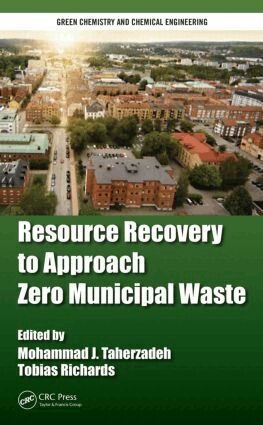
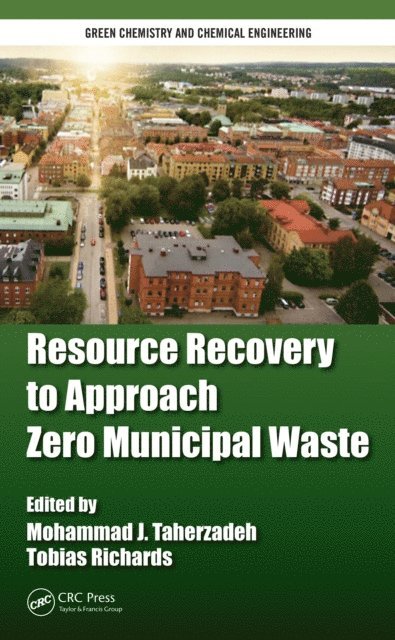
Resource Recovery to Approach Zero Municipal Waste explores the solid waste management laws and regulations of different countries, comparing the latest resource recovery technologies and offering future perspectives. The book tackles the many technical, social, ecological, economical, and managerial aspects of this complex subject while promoting the development of sustainable societies to achieve a greener global environment.
3 083 kr
Skickas inom 10-15 vardagar
1 609 kr
Läs direkt efter köp
Current development results in a linear flow from raw material to waste, which cannot be sustainable in the long term. Plus, a global population of 7 billion people means that there are 7 billion waste producers in the world. At present, dumping and landfilling are the primary practices for getting rid of municipal solid waste (MSW). However, this waste contains resources that we’ve yet to utilize. To create sustainable societies, we need to approach zero waste by recovering these resources.
There are cities and countries where zero waste is close to becoming a reality. Landfilling of organic waste is forbidden in Europe, and countries such as Sweden, Germany, Belgium, and Switzerland have developed a variety of technologies to recover resources from MSW.
Resource Recovery to Approach Zero Municipal Waste explores the solid waste management laws and regulations of different countries, comparing the latest resource recovery technologies and offering future perspectives. The book tackles the many technical, social, ecological, economical, and managerial aspects of this complex subject while promoting the development of sustainable societies to achieve a greener global environment.