2 515 kr
Skickas inom 10-15 vardagar
2 515 kr
Skickas inom 10-15 vardagar
2 164 kr
Läs direkt efter köp
2 164 kr
Läs direkt efter köp
1 829 kr
Skickas inom 10-15 vardagar
2 296 kr
Skickas inom 7-10 vardagar
2 362 kr
Läs direkt efter köp
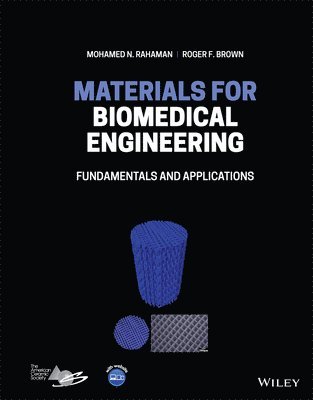
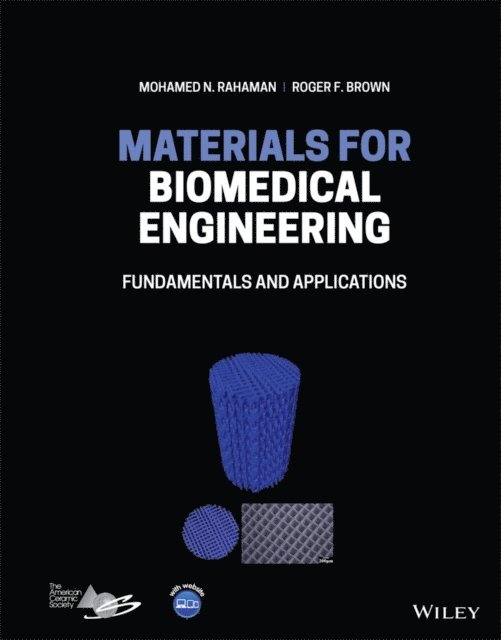
A comprehensive yet accessible introductory textbook designed for one-semester courses in biomaterials
Biomaterials are used throughout the biomedical industry in a range of applications, from cardiovascular devices and medical and dental implants to regenerative medicine, tissue engineering, drug delivery, and cancer treatment. Materials for Biomedical Engineering: Fundamentals and Applications provides an up-to-date introduction to biomaterials, their interaction with cells and tissues, and their use in both conventional and emerging areas of biomedicine.
Requiring no previous background in the subject, this student-friendly textbook covers the basic concepts and principles of materials science, the classes of materials used as biomaterials, the degradation of biomaterials in the biological environment, biocompatibility phenomena, and the major applications of biomaterials in medicine and dentistry. Throughout the text, easy-to-digest chapters address key topics such as the atomic structure, bonding, and properties of biomaterials, natural and synthetic polymers, immune responses to biomaterials, implant-associated infections, biomaterials in hard and soft tissue repair, tissue engineering and drug delivery, and more.
Offers accessible chapters with clear explanatory text, tables and figures, and high-quality illustrations Describes how the fundamentals of biomaterials are applied in a variety of biomedical applications Features a thorough overview of the history, properties, and applications of biomaterials Includes numerous homework, review, and examination problems, full references, and further reading suggestionsMaterials for Biomedical Engineering: Fundamentals and Applications is an excellent textbook for advanced undergraduate and graduate students in biomedical materials science courses, and a valuable resource for medical and dental students as well as students with science and engineering backgrounds with interest in biomaterials.
2 346 kr
Läs direkt efter köp
A comprehensive yet accessible introductory textbook designed for one-semester courses in biomaterials
Biomaterials are used throughout the biomedical industry in a range of applications, from cardiovascular devices and medical and dental implants to regenerative medicine, tissue engineering, drug delivery, and cancer treatment. Materials for Biomedical Engineering: Fundamentals and Applications provides an up-to-date introduction to biomaterials, their interaction with cells and tissues, and their use in both conventional and emerging areas of biomedicine.
Requiring no previous background in the subject, this student-friendly textbook covers the basic concepts and principles of materials science, the classes of materials used as biomaterials, the degradation of biomaterials in the biological environment, biocompatibility phenomena, and the major applications of biomaterials in medicine and dentistry. Throughout the text, easy-to-digest chapters address key topics such as the atomic structure, bonding, and properties of biomaterials, natural and synthetic polymers, immune responses to biomaterials, implant-associated infections, biomaterials in hard and soft tissue repair, tissue engineering and drug delivery, and more.
Offers accessible chapters with clear explanatory text, tables and figures, and high-quality illustrations Describes how the fundamentals of biomaterials are applied in a variety of biomedical applications Features a thorough overview of the history, properties, and applications of biomaterials Includes numerous homework, review, and examination problems, full references, and further reading suggestionsMaterials for Biomedical Engineering: Fundamentals and Applications is an excellent textbook for advanced undergraduate and graduate students in biomedical materials science courses, and a valuable resource for medical and dental students as well as students with science and engineering backgrounds with interest in biomaterials.
2 701 kr
Läs direkt efter köp
2 682 kr
Läs direkt efter köp
2 526 kr
Skickas inom 10-15 vardagar
2 805 kr
Läs direkt efter köp
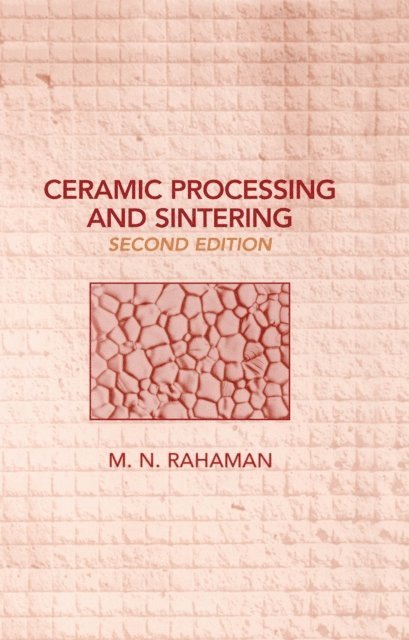
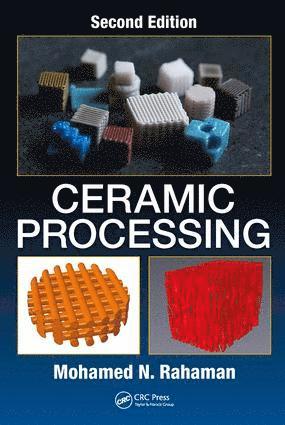
Many of the properties critical to the engineering applications of ceramics are strongly dependent on their microstructure which, in turn, is dependent on the processing methods used to produce the ceramic material. Ceramic Processing, Second Edition provides a comprehensive treatment of the principles and practical methods used in producing ceramics with controlled microstructure.
Covering the main steps in the production of ceramics from powders, the book also provides succinct coverage of other methods for fabricating ceramics, such as sol−gel processing, reaction bonding, chemical vapor deposition and polymer pyrolysis.
While maintaining the objectives of the successful first edition, this new edition has been revised and updated to include recent developments and expanded to feature new chapters on additives used in ceramic processing; rheological properties of suspensions, slurries, and pastes; granulation, mixing, and packing of particles; and sintering theory and principles.
Intended as a textbook for undergraduate and graduate courses in ceramic processing, the book also provides an indispensable resource for research and development engineers in industry who are involved in the production of ceramics or who would like to develop a background in the processing of ceramics.
2 716 kr
Läs direkt efter köp
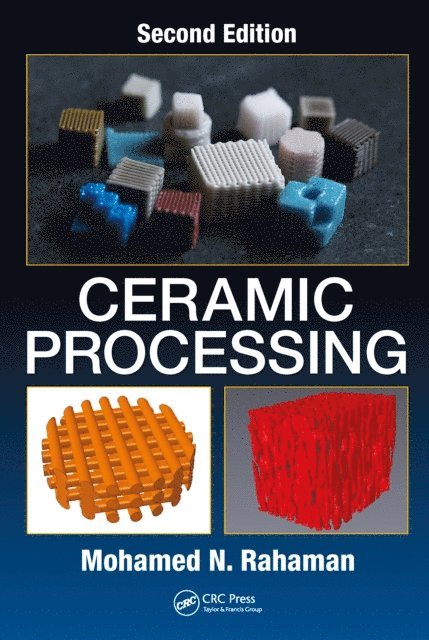
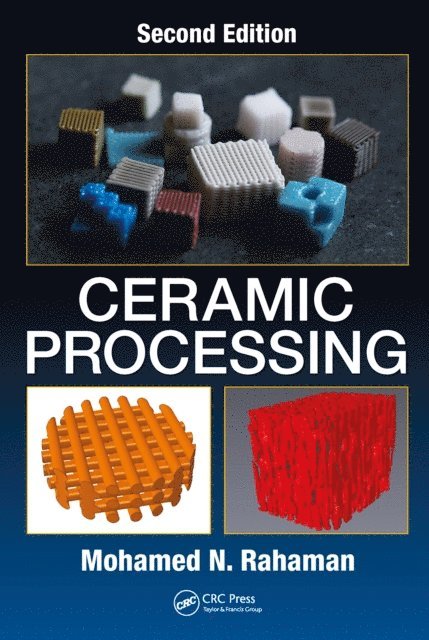
Many of the properties critical to the engineering applications of ceramics are strongly dependent on their microstructure which, in turn, is dependent on the processing methods used to produce the ceramic material. Ceramic Processing, Second Edition provides a comprehensive treatment of the principles and practical methods used in producing ceramics with controlled microstructure.
Covering the main steps in the production of ceramics from powders, the book also provides succinct coverage of other methods for fabricating ceramics, such as sol−gel processing, reaction bonding, chemical vapor deposition and polymer pyrolysis.
While maintaining the objectives of the successful first edition, this new edition has been revised and updated to include recent developments and expanded to feature new chapters on additives used in ceramic processing; rheological properties of suspensions, slurries, and pastes; granulation, mixing, and packing of particles; and sintering theory and principles.
Intended as a textbook for undergraduate and graduate courses in ceramic processing, the book also provides an indispensable resource for research and development engineers in industry who are involved in the production of ceramics or who would like to develop a background in the processing of ceramics.
1 049 kr
Tillfälligt slut
719 kr
Tillfälligt slut