3 205 kr
Skickas inom 10-15 vardagar
3 205 kr
Skickas inom 10-15 vardagar
1 445 kr
Läs direkt efter köp
This comprehensive text focuses on reasoning, critical thinking and pragmatic decision making in medicine. Based on the author’s extensive experience and filled with definitions, formulae, flowcharts and checklists, this fully revised second edition continues to provide invaluable guidance to the crucial role that clinical epidemiology plays in the expanding field of evidence-based medicine.
Key Features:
• Considers evidence-based medicine as a universal initiative common to all health sciences and professions, and all specialties within those disciplines
• Demonstrates how effective practice is reliant on proper foundations, such as clinical and fundamental epidemiology, and biostatistics
• Introduces the reader to basic epidemiological methods, meta-analysis and decision analysis
• Shows that structured, modern, argumentative reasoning is required to build the best possible evidence and use it in practice and research
• Outlines how to make the most appropriate decisions in clinical care, disease prevention and health promotion
Presenting a range of topics seldom seen in a single resource, the innovative blend of informal logic and structured evidence-based reasoning makes this book invaluable for anyone seeking broad, in-depth and readable coverage of this complex and sometimes controversial field.

1 445 kr
Läs direkt efter köp
This comprehensive text focuses on reasoning, critical thinking and pragmatic decision making in medicine. Based on the author’s extensive experience and filled with definitions, formulae, flowcharts and checklists, this fully revised second edition continues to provide invaluable guidance to the crucial role that clinical epidemiology plays in the expanding field of evidence-based medicine.
Key Features:
• Considers evidence-based medicine as a universal initiative common to all health sciences and professions, and all specialties within those disciplines
• Demonstrates how effective practice is reliant on proper foundations, such as clinical and fundamental epidemiology, and biostatistics
• Introduces the reader to basic epidemiological methods, meta-analysis and decision analysis
• Shows that structured, modern, argumentative reasoning is required to build the best possible evidence and use it in practice and research
• Outlines how to make the most appropriate decisions in clinical care, disease prevention and health promotion
Presenting a range of topics seldom seen in a single resource, the innovative blend of informal logic and structured evidence-based reasoning makes this book invaluable for anyone seeking broad, in-depth and readable coverage of this complex and sometimes controversial field.

1 241 kr
Skickas inom 10-15 vardagar
571 kr
Skickas inom 10-15 vardagar
1 211 kr
Läs direkt efter köp
1 027 kr
Läs direkt efter köp
1 589 kr
Skickas inom 10-15 vardagar
3 201 kr
Skickas inom 10-15 vardagar
478 kr
Läs direkt efter köp
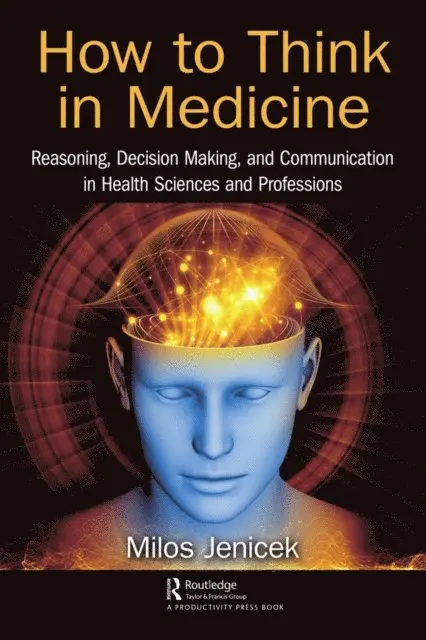
Mastery of quality health care and patient safety begins as soon as we open the hospital doors for the first time and start acquiring practical experience. The acquisition of such experience includes much more than the development of sensorimotor skills and basic knowledge of sciences. It relies on effective reason, decision making, and communication shared by all health professionals, including physicians, nurses, dentists, pharmacists, and administrators.
How to Think in Medicine, Reasoning, Decision Making, and Communications in Health Sciences is about these essential skills. It describes how physicians and health professionals reason, make decision, and practice medicine. Covering the basic considerations related to clinical and caregiver reasoning, it lays out a roadmap to help those new to health care as well as seasoned veterans overcome the complexities of working for the well-being of those who trust us with their physical and mental health.
This book provides a step-by-step breakdown of the reasoning process for clinical work and clinical care. It examines both the general and medical ways of thinking, reasoning, argumentation, fact finding, and using evidence. It explores the principles of formal logic as applied to clinical problems and the use of evidence in logical reasoning. In addition to outline the fundamentals of decision making, it integrates coverage of clinical reasoning risk assessment, diagnosis, treatment, and prognosis in evidence-based medicine.
Presented in four sections, this book discusses the history and position of the problem and the challenge of medical thinking; provides the philosophy interfacing topics of interest for health sciences professionals including the probabilities, uncertainties, risks, and other quantifications in health by steps of clinical work; decision making in clinical and community health care, research, and practice; Communication in clinical and community care including how to write medical articles, clinical case studies and case reporting, and oral and written communication in clinical and community practice and care.
1 286 kr
Skickas inom 10-15 vardagar
1 211 kr
Läs direkt efter köp
997 kr
Skickas inom 10-15 vardagar
1 027 kr
Läs direkt efter köp
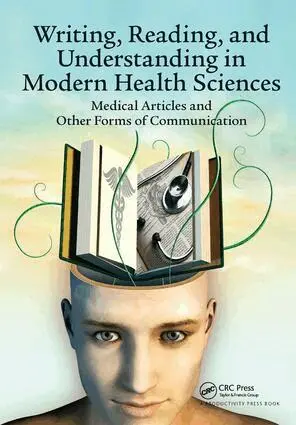
Medical articles are one of the main vehicles of knowledge translation and evidence communication in the health sciences. Their correct structure and style alone are no longer enough to convey a clear understanding of the intended message. Readers must be able to understand the very essence of the article message. That is the purpose of this book.Writing, Reading, and Understanding in Modern Health Sciences: Medical Articles and Other Forms of Communication will help the authors of medical articles communicate more effectively in today''s practice and health research environment. It explores the most effective practices for communicating using three main medical literature formats: through scientific articles, articles where the subject is not based on the practice of the scientific method, and business reports.Describing how to think beyond the prevailing IMRAD article format, this book focuses on the nature, content, domains of thought, and meanings of medical articles. The ideas and underlying propositions in this book are complementary to specific requirements appropriate for each type of medical journal. After reading this book you will better understand:
How to write what is considered the most important type of medical article, the research-based medical article How to write an evidence-based argumentative medical article The challenges of clinical case reporting The general framework of medical and research ethics Classification of medical articles and their underlying studies from the causal standpointSupplying you with the understanding required to write more effective medical articles, the book includes details about essay-type articles, research-based articles, thesis as introduction sections, definitions as part of the material and methods sections, modern argumentation and critical thinking underlying results and their discussion and conclusions about them.