2 324 kr
Skickas inom 10-15 vardagar
2 324 kr
Skickas inom 10-15 vardagar
636 kr
Skickas inom 10-15 vardagar
748 kr
Skickas inom 10-15 vardagar
2 324 kr
Skickas inom 10-15 vardagar
870 kr
Läs direkt efter köp
870 kr
Läs direkt efter köp
988 kr
Skickas inom 7-10 vardagar
669 kr
Skickas inom 7-10 vardagar
510 kr
Läs direkt efter köp
507 kr
Läs direkt efter köp
523 kr
Skickas inom 7-10 vardagar
1 562 kr
Skickas inom 7-10 vardagar
1 828 kr
Skickas inom 7-10 vardagar
586 kr
Skickas inom 7-10 vardagar
559 kr
Läs direkt efter köp
567 kr
Läs direkt efter köp
813 kr
Läs direkt efter köp
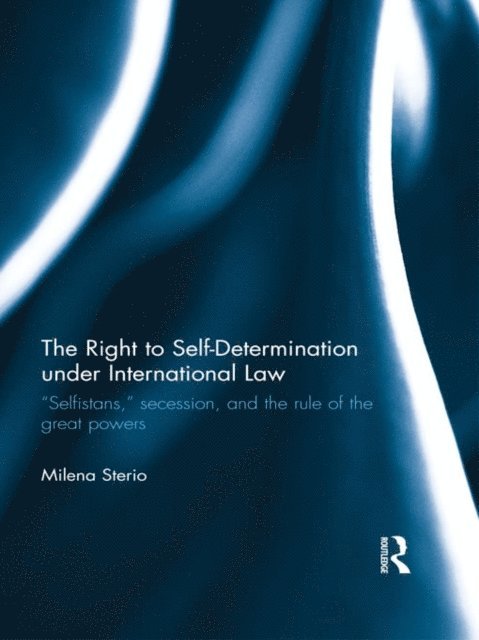
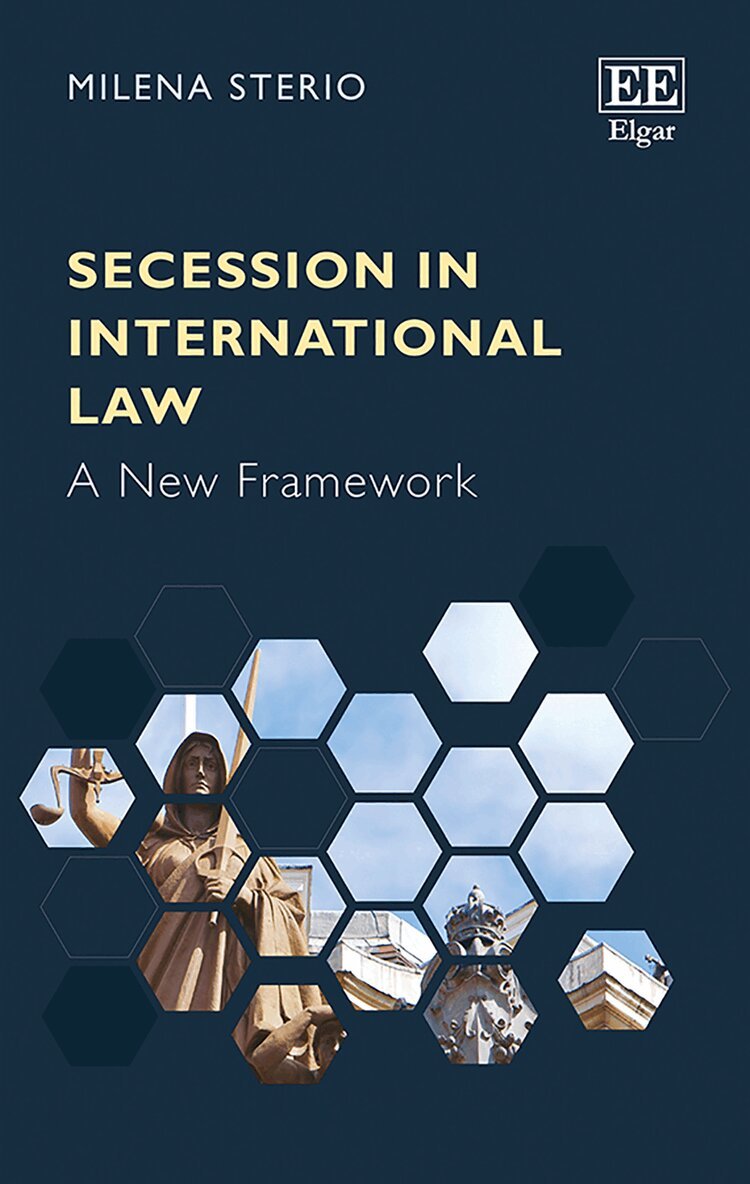
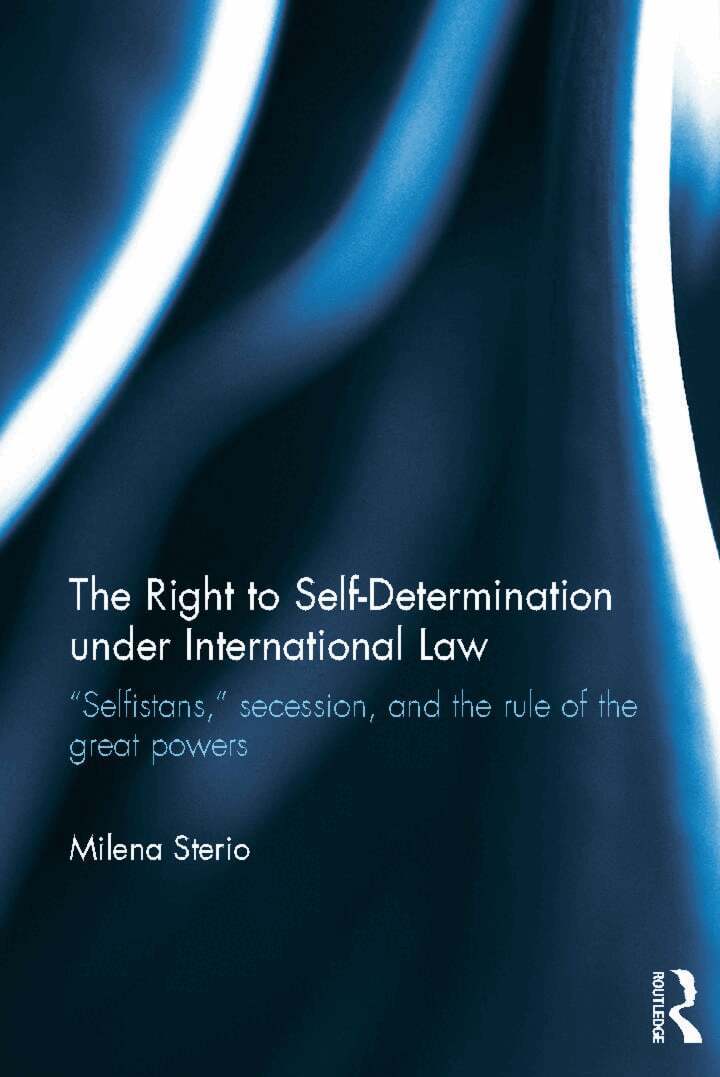
This book proposes a novel theory of self-determination; the Rule of the Great Powers. This book argues that traditional legal norms on self-determination have failed to explain and account for recent results of secessionist self-determination struggles. While secessionist groups like the East Timorese, the Kosovar Albanians and the South Sudanese have been successful in their quests for independent statehood, other similarly situated groups have been relegated to an at times violent existence within their mother states. Thus, Chechens still live without significant autonomy within Russia, and the South Ossetians and the Abkhaz have seen their conflicts frozen because of the peculiar geo-political equilibrium of power within the Caucuses region.
The Rule of the Great Powers, which asserts that only those self-determination seeking entities which enjoy the support of the majority of the most powerful states (the Great Powers) will ultimately have their rights to self-determination fulfilled. The Great Powers, potent military, economic and political powerhouses such as the United States, China, Russia, Japan, the United Kingdom, France, Germany, and Italy, often dictate self-determination outcomes through their influence in global affairs. Issues of self-determination in the modern world can no longer be effectively resolved through the application of traditional legal rules; rather, resort must be had to novel theories, such as the Rule of the Great Powers.
This book will be of particular interest to academics and students of law, political science and international relations.
813 kr
Läs direkt efter köp
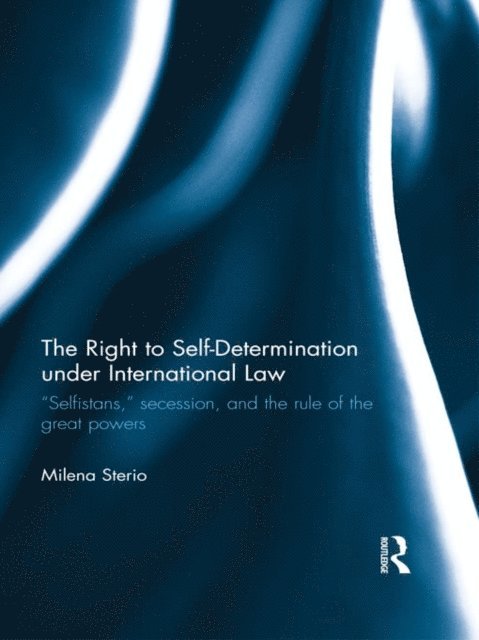
This book proposes a novel theory of self-determination; the Rule of the Great Powers. This book argues that traditional legal norms on self-determination have failed to explain and account for recent results of secessionist self-determination struggles. While secessionist groups like the East Timorese, the Kosovar Albanians and the South Sudanese have been successful in their quests for independent statehood, other similarly situated groups have been relegated to an at times violent existence within their mother states. Thus, Chechens still live without significant autonomy within Russia, and the South Ossetians and the Abkhaz have seen their conflicts frozen because of the peculiar geo-political equilibrium of power within the Caucuses region.
The Rule of the Great Powers, which asserts that only those self-determination seeking entities which enjoy the support of the majority of the most powerful states (the Great Powers) will ultimately have their rights to self-determination fulfilled. The Great Powers, potent military, economic and political powerhouses such as the United States, China, Russia, Japan, the United Kingdom, France, Germany, and Italy, often dictate self-determination outcomes through their influence in global affairs. Issues of self-determination in the modern world can no longer be effectively resolved through the application of traditional legal rules; rather, resort must be had to novel theories, such as the Rule of the Great Powers.
This book will be of particular interest to academics and students of law, political science and international relations.
690 kr
Skickas inom 10-15 vardagar
2 311 kr
Skickas inom 10-15 vardagar
656 kr
Läs direkt efter köp
646 kr
Läs direkt efter köp
1 505 kr
Skickas inom 7-10 vardagar
3 767 kr
Skickas inom 7-10 vardagar
804 kr
Läs direkt efter köp
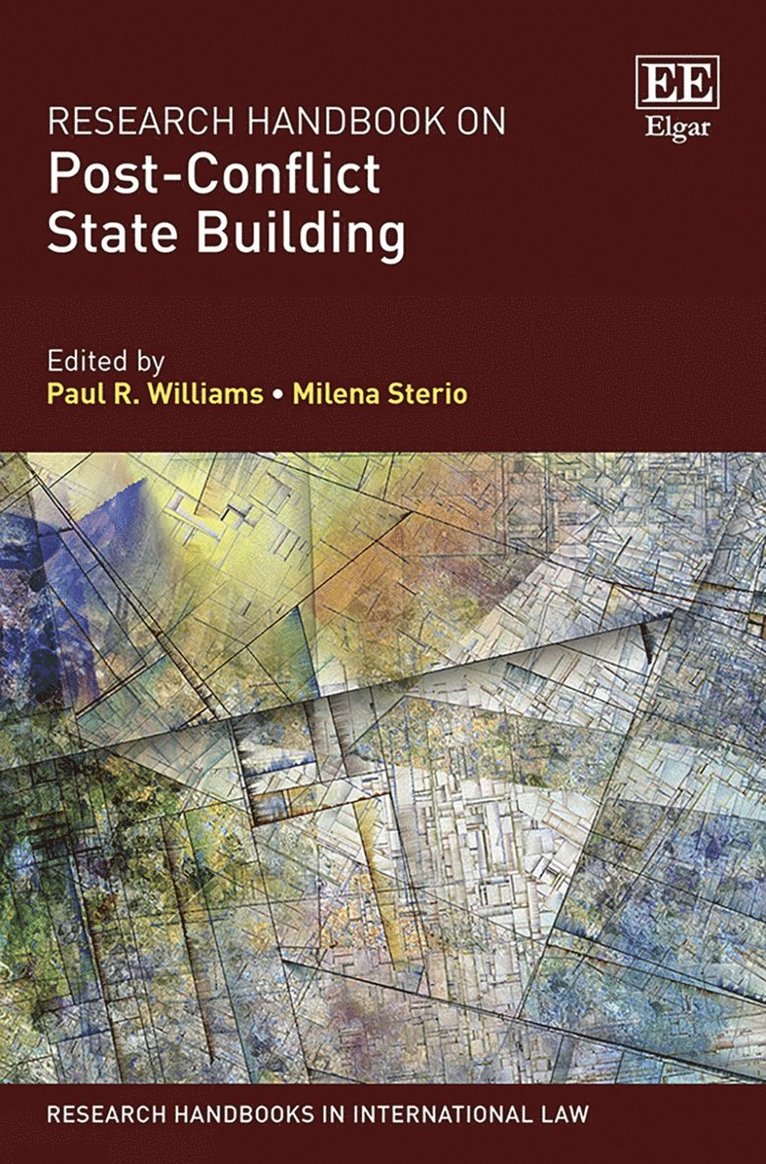
The Research Handbook on Post-Conflict State Building provides keen insights for faculty, graduate and undergraduate students in programs related to peace and conflict, governance, and international justice and law. Practitioners such as United Nations staff, government officials, international institution and think tanks engaged in post-conflict state building will glean important lessons and guidance from the Handbook''s chapters.
Contributors include: T. Beckelman, S.-T. Bounfour, M.J. Day, M. de Hoon, Y.M. Dutton, R. Friedrich, C.M. Goebel, S.L. Hodgkinson, D.E.W. Johnson, R. Kraemer, C.D. Kreutzner, J.C. Levy, A.C. Mann, B. McGonigle Leyh, N. Narayan, S. Pearlman, F.J. Pecci, R.M. Perito, D.J. Planty, B. Popken, M. Sterio, J. Trahan, G. Visoka, P.R. Williams, J.P. Worboys