1 421 kr
Skickas inom 10-15 vardagar
1 421 kr
Skickas inom 10-15 vardagar
1 440 kr
Skickas inom 7-10 vardagar
451 kr
Skickas inom 7-10 vardagar
274 kr
Skickas inom 10-15 vardagar
2 760 kr
Skickas inom 10-15 vardagar
856 kr
Skickas inom 10-15 vardagar
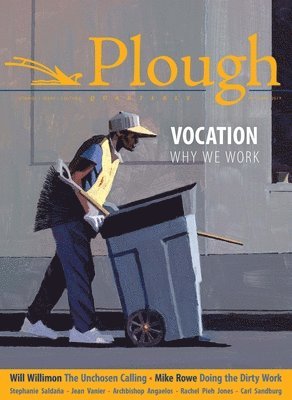
Why We Work
101 kr
Skickas inom 7-10 vardagar
757 kr
Läs direkt efter köp
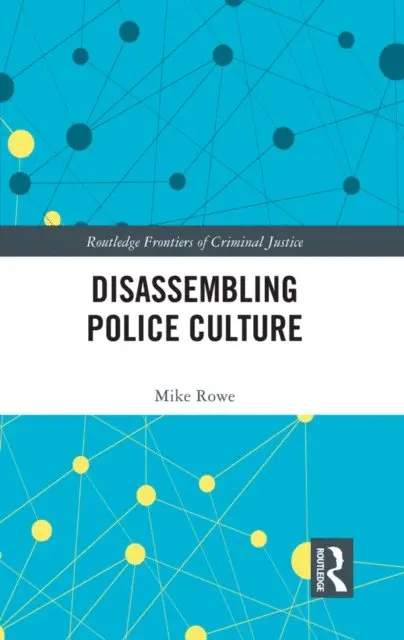
Drawing on six years of ethnographic research, this book critically examines police culture, exploring police behaviours, decisionmaking and actions. Police culture is a concept widely used, often critically, to characterise the working attitudes and behaviours of (usually uniformed) police officers. It is shorthand for a workplace imbued with machismo, racism, sexism, a thirst for danger and excitement, cynicism and conservatism. Rather than looking for culture or identifying how culture affects behaviours, this book identifies factors that influence the decisions and actions, including technology, targets, training, timing, intelligence, geography and supervision, thus reassembling police culture much as Bruno Latour sought to reassemble the social.
The analysis develops a clearer and critical understanding of culture by explicitly connecting the debates about police culture to those about organisational culture. Offering a detailed ethnography of two shifts, it grounds the analysis of the idea of police culture in a ''thick description'' of the day- to- day activities observed in the police station and the patrol car, rather than using brief illustrative extracts. The book dispenses with any assumption of the utility of the concept of police culture, not least because it is opaque, and reassembles our understanding of policing and, if it retains any relevance, of police culture.
An accessible and compelling read, this book will appeal to students and scholars of policing, criminology, sociology, law, politics and all those interested in the day- to- day lives of police officers.
762 kr
Läs direkt efter köp
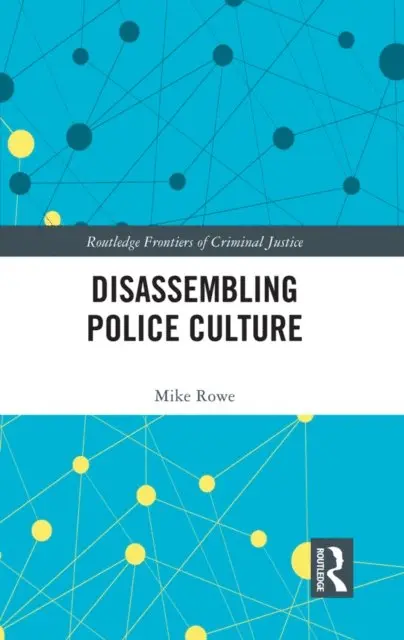
Drawing on six years of ethnographic research, this book critically examines police culture, exploring police behaviours, decisionmaking and actions. Police culture is a concept widely used, often critically, to characterise the working attitudes and behaviours of (usually uniformed) police officers. It is shorthand for a workplace imbued with machismo, racism, sexism, a thirst for danger and excitement, cynicism and conservatism. Rather than looking for culture or identifying how culture affects behaviours, this book identifies factors that influence the decisions and actions, including technology, targets, training, timing, intelligence, geography and supervision, thus reassembling police culture much as Bruno Latour sought to reassemble the social.
The analysis develops a clearer and critical understanding of culture by explicitly connecting the debates about police culture to those about organisational culture. Offering a detailed ethnography of two shifts, it grounds the analysis of the idea of police culture in a ''thick description'' of the day- to- day activities observed in the police station and the patrol car, rather than using brief illustrative extracts. The book dispenses with any assumption of the utility of the concept of police culture, not least because it is opaque, and reassembles our understanding of policing and, if it retains any relevance, of police culture.
An accessible and compelling read, this book will appeal to students and scholars of policing, criminology, sociology, law, politics and all those interested in the day- to- day lives of police officers.
813 kr
Läs direkt efter köp
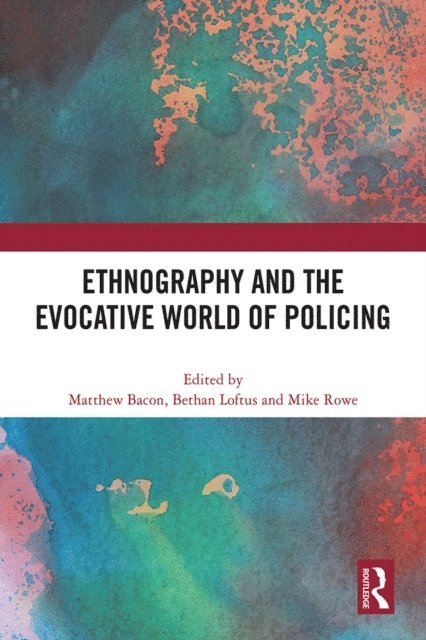
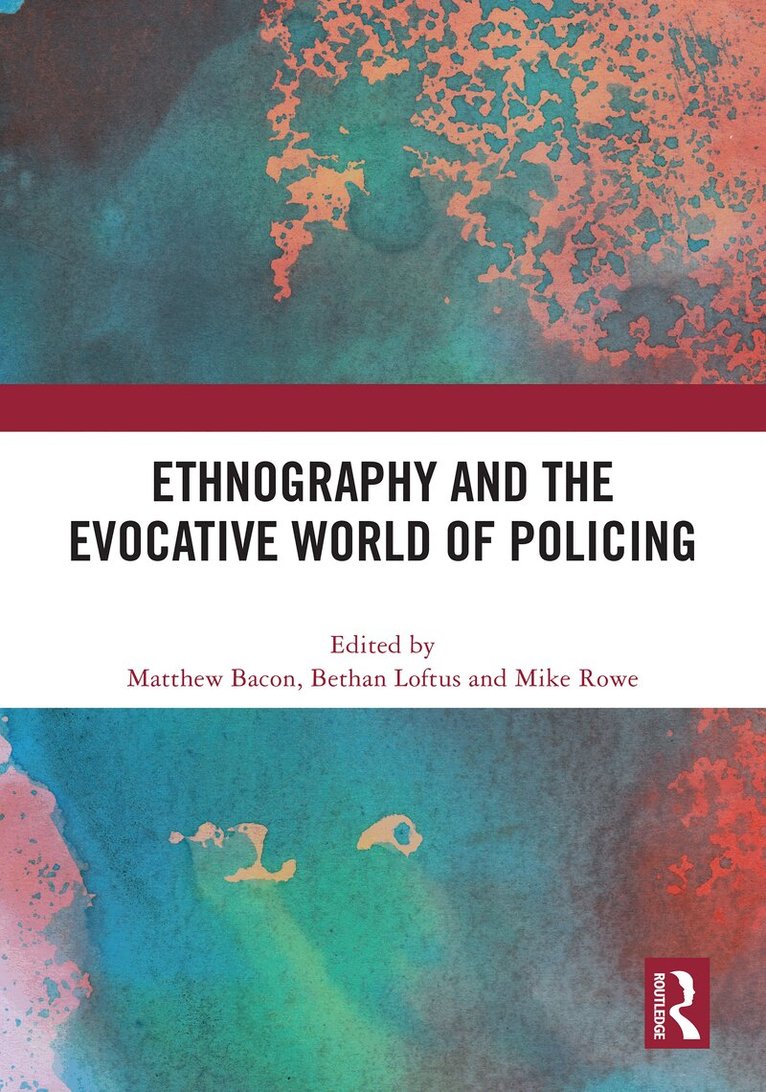
This book demonstrates the unique contribution police ethnographies make to our understanding of policing cultures and practices in a variety of international settings. It features contemporary examples of police ethnographies that demonstrate the continuing value of ethnographic work to our understanding of policing.
The first section of the book focuses on the police and Anglo-American policing. The second section is international in scope and seeks to enrich our understandings of policing ‘beyond’ the police. Chapters explore police interactions during a stop and search and at a carnival. They peer behind the scenes at the control room and at the use of intelligence. We listen in to the experiences of new recruits and the stories told in canteens. They also take us into the world of private security agencies, to Kenya and to Vietnam. The book explores the position of ethnographers asking: whether we do too much with rather than on the police; and whether our work reveals more about us as academics than them as officers. Together, they are revealing of a changing policing landscape.
Ethnography and the Evocative World of Policing demonstrates the unique value of ethnographic work in the fields of policing studies and criminology. It will be a key resource for scholars and researchers of policing, criminology, sociology, law, and research methods.The chapters in this book were originally published in two special issues of Policing and Society.
831 kr
Läs direkt efter köp
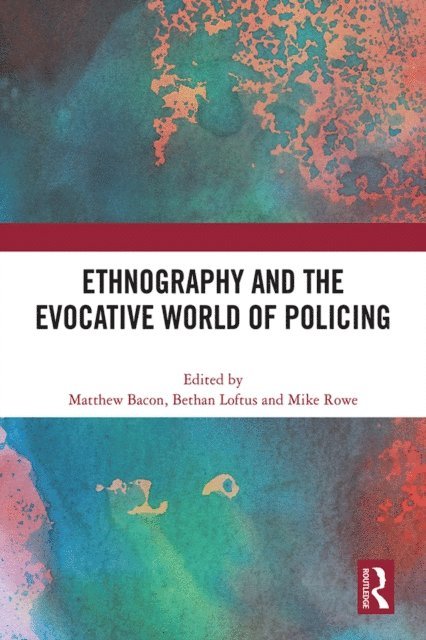
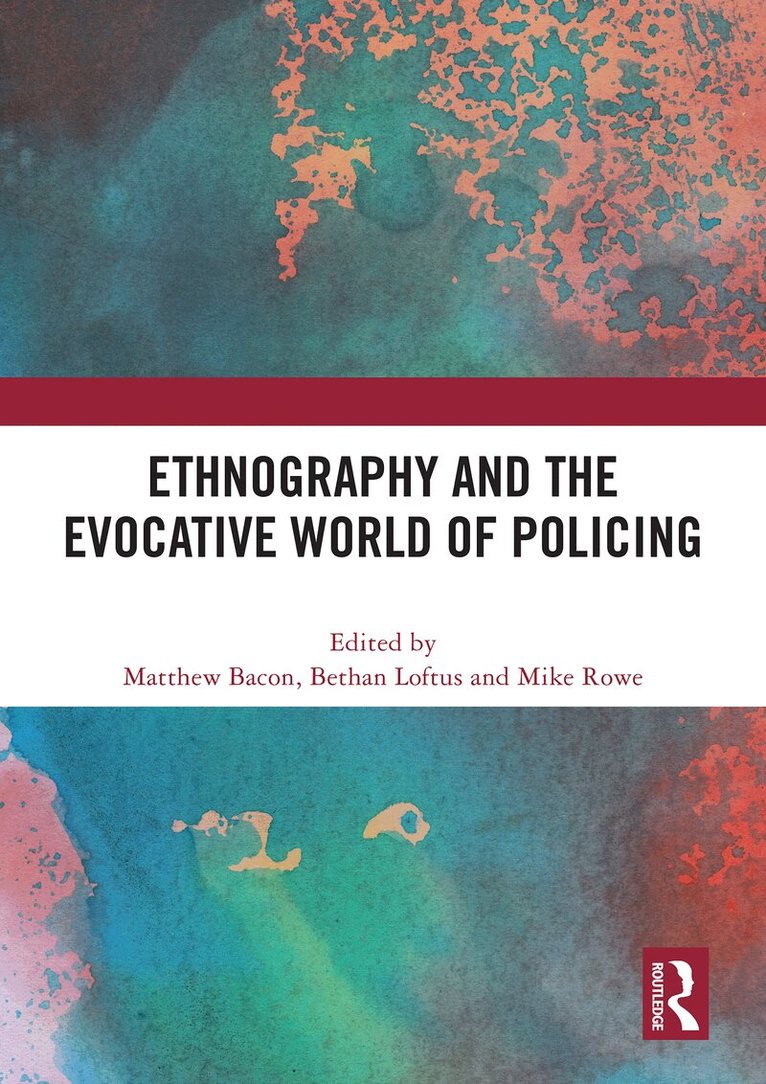
This book demonstrates the unique contribution police ethnographies make to our understanding of policing cultures and practices in a variety of international settings. It features contemporary examples of police ethnographies that demonstrate the continuing value of ethnographic work to our understanding of policing.
The first section of the book focuses on the police and Anglo-American policing. The second section is international in scope and seeks to enrich our understandings of policing ‘beyond’ the police. Chapters explore police interactions during a stop and search and at a carnival. They peer behind the scenes at the control room and at the use of intelligence. We listen in to the experiences of new recruits and the stories told in canteens. They also take us into the world of private security agencies, to Kenya and to Vietnam. The book explores the position of ethnographers asking: whether we do too much with rather than on the police; and whether our work reveals more about us as academics than them as officers. Together, they are revealing of a changing policing landscape.
Ethnography and the Evocative World of Policing demonstrates the unique value of ethnographic work in the fields of policing studies and criminology. It will be a key resource for scholars and researchers of policing, criminology, sociology, law, and research methods.The chapters in this book were originally published in two special issues of Policing and Society.
1 646 kr
Skickas
645 kr
Skickas inom 10-15 vardagar
605 kr
Skickas inom 10-15 vardagar
2 515 kr
Skickas inom 10-15 vardagar
2 526 kr
Skickas inom 10-15 vardagar
710 kr
Skickas inom 10-15 vardagar
710 kr
Läs direkt efter köp
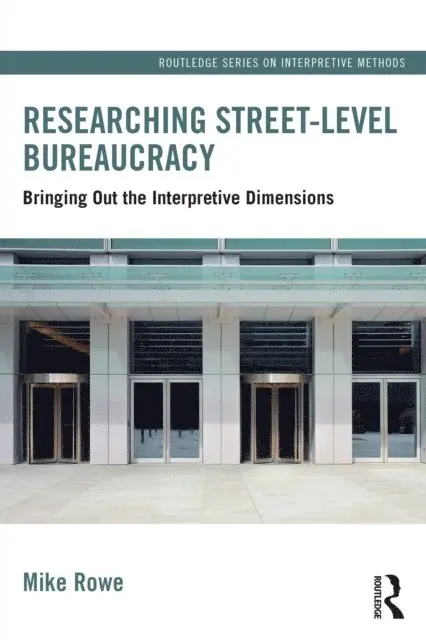
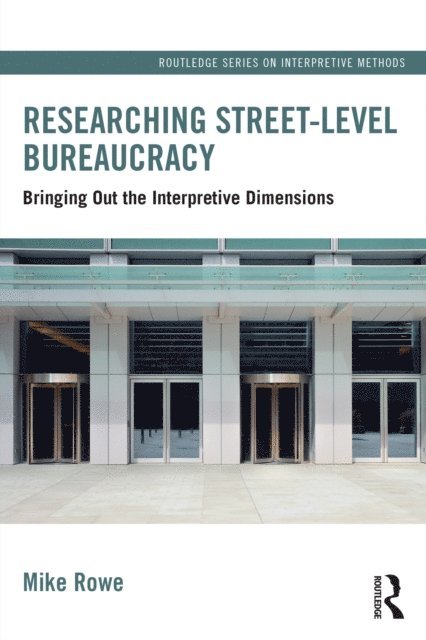
Police officers, social workers, teachers, and many other street-level bureaucrats exercise discretion in dealing with clients. In so doing, they make policy as it is experienced at the frontline. Instead of puzzling at repeated public policy implementation failures and wondering why street-level bureaucrats (SLBs) don’t behave the way policy-makers expect, we need to understand the world as seen from the ground. This short and practical text explores the value of interpretive analysis for researching street-level bureaucracy.
Using Michael Lipsky’s (1980) idea of SLB and connecting it to contemporary debates, Mike Rowe argues for an approach to researching SLBs that focuses on dilemmas in practice, ones that change with each policy shift, each new target, with austerity, and with new technology such that no settled state is likely. He places emphasis on the need to understand the ways SLBs respond to pressures in order to work with them and to understand what policy becomes in practice. Street-level bureaucrats and their clients are engaged in a process of sense-making.
Researching Street-level Bureaucracy is not just an essential resource for teachers and students of Master''s and Doctoral programs in Public Administration, Public Policy, Social Work, and Criminal Justice, it is a must-read for anyone interested in understanding the structural pressures that bear on the individual and how any change to the dilemmas confronted might play out at the street-level.
814 kr
Läs direkt efter köp
814 kr
Läs direkt efter köp
983 kr
Läs direkt efter köp
997 kr
Läs direkt efter köp
746 kr
Läs direkt efter köp
762 kr
Läs direkt efter köp
3 038 kr
Skickas inom 10-15 vardagar
122 kr
Läs direkt efter köp
292 kr
Lyssna direkt efter köp
1 118 kr
Skickas inom 10-15 vardagar
438 kr
Skickas inom 10-15 vardagar