2 093 kr
Skickas inom 7-10 vardagar
2 093 kr
Skickas inom 7-10 vardagar
638 kr
Skickas inom 7-10 vardagar
433 kr
Läs direkt efter köp
433 kr
Läs direkt efter köp
2 127 kr
Skickas inom 5-8 vardagar
2 017 kr
Läs direkt efter köp
2 017 kr
Läs direkt efter köp
585 kr
Läs direkt efter köp
337 kr
Skickas inom 7-10 vardagar
2 728 kr
Skickas inom 10-15 vardagar
818 kr
Skickas inom 10-15 vardagar
2 761 kr
Skickas inom 10-15 vardagar
789 kr
Skickas inom 10-15 vardagar
782 kr
Skickas inom 10-15 vardagar
453 kr
Skickas inom 7-10 vardagar
552 kr
Läs direkt efter köp
303 kr
Skickas inom 7-10 vardagar
561 kr
Skickas inom 10-15 vardagar
970 kr
Läs direkt efter köp
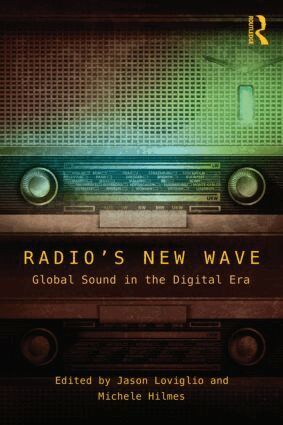
Radio’s New Wave explores the evolution of audio media and sound scholarship in the digital age. Extending and updating the focus of their widely acclaimed 2001 book The Radio Reader, Hilmes and Loviglio gather together innovative work by both established and rising scholars to explore the ways that radio has transformed in the digital environment. Contributors explore what sound looks like on screens, how digital listening moves us, new forms of sonic expression, radio’s convergence with mobile media, and the creative activities of old and new audiences. Even radio’s history has been altered by research made possible by digital and global convergence. Together, these twelve concise chapters chart the dissolution of radio’s boundaries and its expansion to include a wide-ranging universe of sound, visuals, tactile interfaces, and cultural roles, as radio rides the digital wave into its second century.
963 kr
Läs direkt efter köp
Radio’s New Wave explores the evolution of audio media and sound scholarship in the digital age. Extending and updating the focus of their widely acclaimed 2001 book The Radio Reader, Hilmes and Loviglio gather together innovative work by both established and rising scholars to explore the ways that radio has transformed in the digital environment. Contributors explore what sound looks like on screens, how digital listening moves us, new forms of sonic expression, radio’s convergence with mobile media, and the creative activities of old and new audiences. Even radio’s history has been altered by research made possible by digital and global convergence. Together, these twelve concise chapters chart the dissolution of radio’s boundaries and its expansion to include a wide-ranging universe of sound, visuals, tactile interfaces, and cultural roles, as radio rides the digital wave into its second century.
933 kr
Läs direkt efter köp
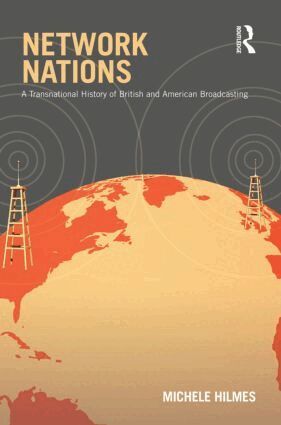
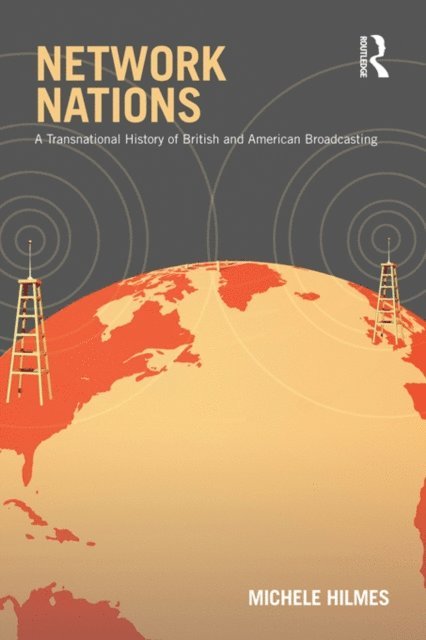
In Network Nations, Michele Hilmes reveals and re-conceptualizes the roots of media globalization through a historical look at the productive transnational cultural relationship between British and American broadcasting. Though frequently painted as opposites--the British public service tradition contrasting with the American commercial system--in fact they represent two sides of the same coin. Neither could have developed without the constant presence of the other, in terms not only of industry and policy but of aesthetics, culture, and creativity, despite a long history of oppositional rhetoric.
Based on primary research in British and American archives, Network Nations argues for a new transnational approach to media history, looking across the traditional national boundaries within which media is studied to encourage an awareness that media globalization has a long and fruitful history. Placing media history in the framework of theories of nationalism and national identity, Hilmes examines critical episodes of transnational interaction between the US and Britain, from radio’s amateurs to the relationship between early network heads; from the development of radio features and drama to television spy shows and miniseries; as each other’s largest suppliers of programming and as competitors on the world stage; and as a network of creative, business, and personal relationships that has rarely been examined, but that shapes television around the world. As the global circuits of television grow and as global regions, particularly Europe, attempt to define a common culture, the historical role played by the British/US media dialogue takes on new significance.
993 kr
Läs direkt efter köp
In Network Nations, Michele Hilmes reveals and re-conceptualizes the roots of media globalization through a historical look at the productive transnational cultural relationship between British and American broadcasting. Though frequently painted as opposites--the British public service tradition contrasting with the American commercial system--in fact they represent two sides of the same coin. Neither could have developed without the constant presence of the other, in terms not only of industry and policy but of aesthetics, culture, and creativity, despite a long history of oppositional rhetoric.
Based on primary research in British and American archives, Network Nations argues for a new transnational approach to media history, looking across the traditional national boundaries within which media is studied to encourage an awareness that media globalization has a long and fruitful history. Placing media history in the framework of theories of nationalism and national identity, Hilmes examines critical episodes of transnational interaction between the US and Britain, from radio’s amateurs to the relationship between early network heads; from the development of radio features and drama to television spy shows and miniseries; as each other’s largest suppliers of programming and as competitors on the world stage; and as a network of creative, business, and personal relationships that has rarely been examined, but that shapes television around the world. As the global circuits of television grow and as global regions, particularly Europe, attempt to define a common culture, the historical role played by the British/US media dialogue takes on new significance.
611 kr
Läs direkt efter köp
615 kr
Läs direkt efter köp