387 kr
Skickas inom 7-10 vardagar
387 kr
Skickas inom 7-10 vardagar
2 526 kr
Skickas inom 10-15 vardagar
254 kr
Läs direkt efter köp
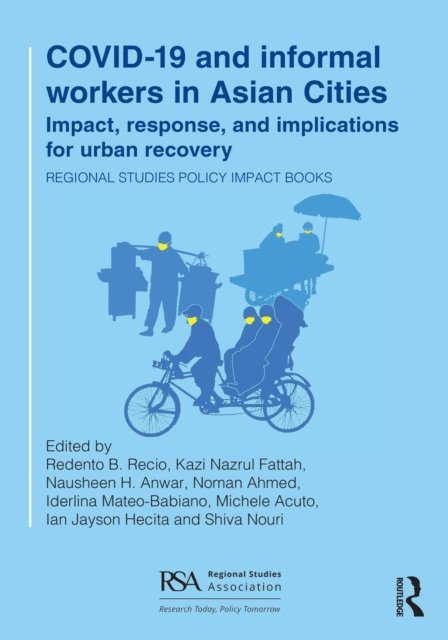
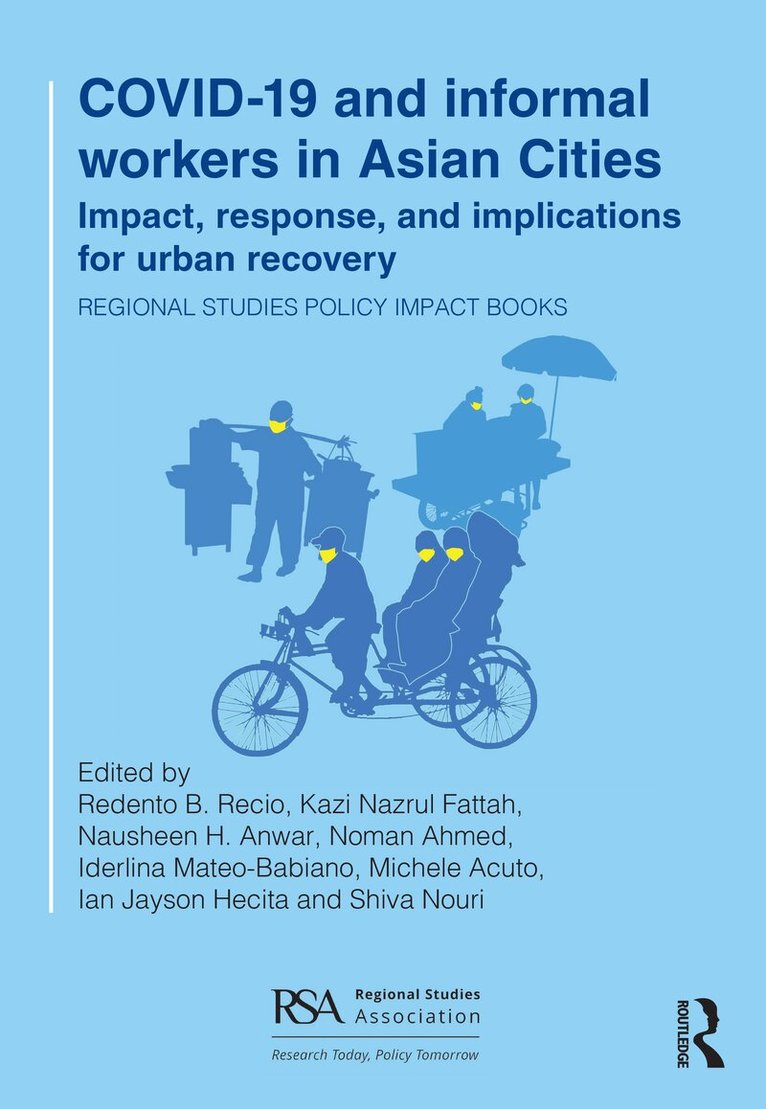
As COVID-19 took hold across local and international borders in 2020 and 2021, over 1.6 billion informal workers were estimated to have been adversely impacted by mobility restrictions and other ''lockdown'' measures to tackle the coronavirus crisis. In the Global South, the pandemic has severely affected the sprawling megacities in Southeast and South Asia that have been driving urbanisation, and where there is a very high concentration of informal workers. This volume examines how informal workers were affected by the responses to the pandemic in five Asian megacities: Dhaka (Bangladesh), Hyderabad (India), Karachi (Pakistan), Jakarta (Indonesia), and Manila (Philippines).
Gathering voices and experiences from across these subregions, this book engages with issues surrounding state measures to manage the COVID-19 pandemic. The chapters present the gaps and lessons learned in addressing the needs of informal workers. They also shed light on grassroots solidarity initiatives, civic practices, and social networks that have cushioned the devastating effects of the crisis. The book ends with a discussion on the implications of identified state measures and citizen-led responses for (post) pandemic planning and urban governance in Asian cities in an age of recovery.
258 kr
Läs direkt efter köp
As COVID-19 took hold across local and international borders in 2020 and 2021, over 1.6 billion informal workers were estimated to have been adversely impacted by mobility restrictions and other ''lockdown'' measures to tackle the coronavirus crisis. In the Global South, the pandemic has severely affected the sprawling megacities in Southeast and South Asia that have been driving urbanisation, and where there is a very high concentration of informal workers. This volume examines how informal workers were affected by the responses to the pandemic in five Asian megacities: Dhaka (Bangladesh), Hyderabad (India), Karachi (Pakistan), Jakarta (Indonesia), and Manila (Philippines).
Gathering voices and experiences from across these subregions, this book engages with issues surrounding state measures to manage the COVID-19 pandemic. The chapters present the gaps and lessons learned in addressing the needs of informal workers. They also shed light on grassroots solidarity initiatives, civic practices, and social networks that have cushioned the devastating effects of the crisis. The book ends with a discussion on the implications of identified state measures and citizen-led responses for (post) pandemic planning and urban governance in Asian cities in an age of recovery.
399 kr
Skickas inom 7-10 vardagar
456 kr
Skickas inom 7-10 vardagar
520 kr
Skickas inom 10-15 vardagar
883 kr
Läs direkt efter köp
877 kr
Läs direkt efter köp
551 kr
Skickas inom 10-15 vardagar
743 kr
Skickas inom 10-15 vardagar
1 639 kr
Skickas inom 10-15 vardagar
319 kr
Skickas
1 274 kr
Skickas inom 7-10 vardagar
665 kr
Skickas inom 7-10 vardagar
537 kr
Skickas inom 7-10 vardagar
2 214 kr
Skickas inom 7-10 vardagar
605 kr
Skickas inom 10-15 vardagar
797 kr
Läs direkt efter köp
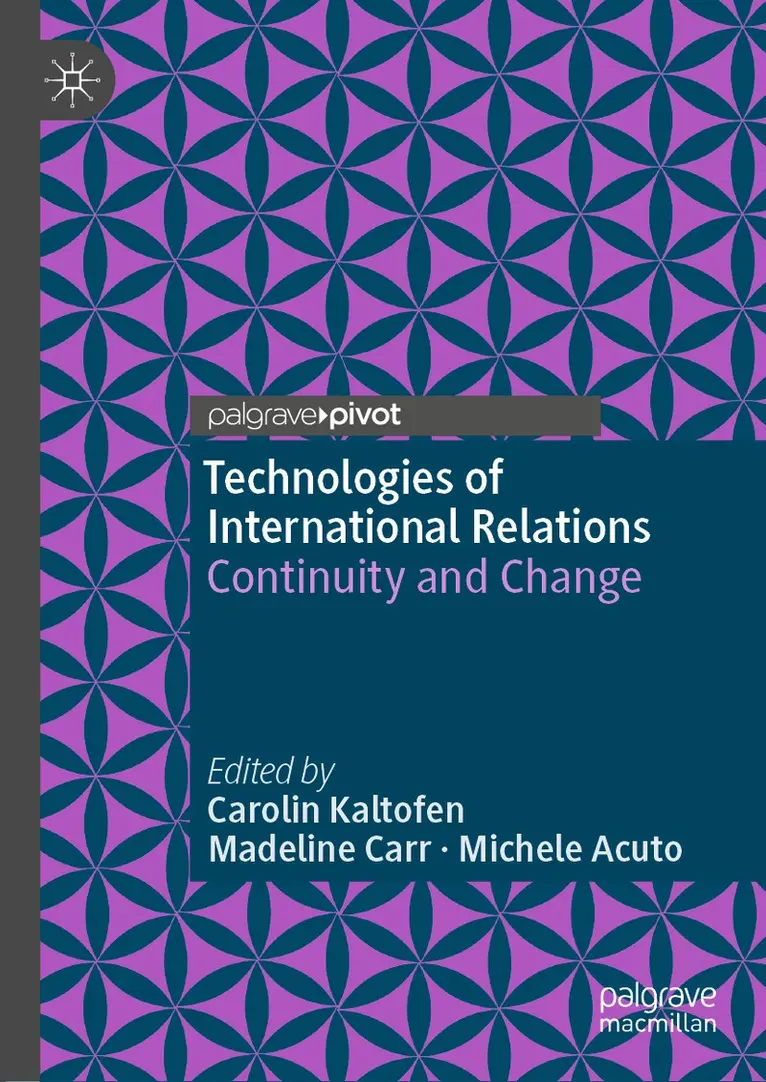
This book examines the role of technology in the core voices for International Relations theory and how this has shaped the contemporary thinking of ‘IR’ across some of the discipline’s major texts. Through an interview format between different generations of IR scholars, the conversations of the book analyse the relationship between technology and concepts like power, security and global order. They explore to what extent ideas about the role and implications of technology help to understand the way IR has been framed and world politics are conceived of today. This innovative text will appeal to scholars in Politics and International Relations as well as STS, Human Geography and Anthropology.