2 426 kr
Skickas inom 10-15 vardagar
2 426 kr
Skickas inom 10-15 vardagar
668 kr
Skickas inom 10-15 vardagar
460 kr
Läs direkt efter köp
850 kr
Läs direkt efter köp
707 kr
Läs direkt efter köp
What is meant by pedagogy?
How does our conception of pedagogy inform good teaching and learning?
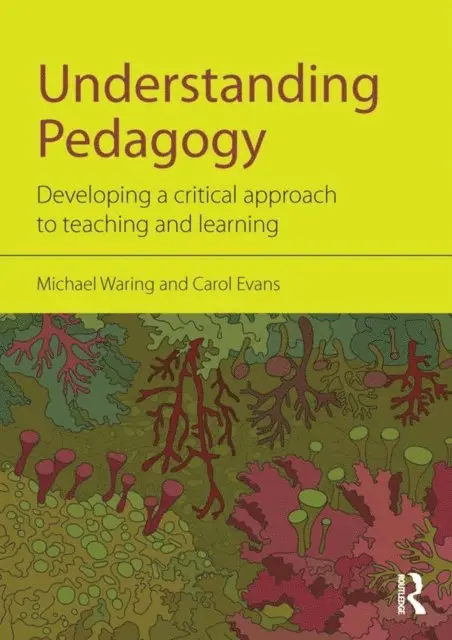
Pedagogy is a complex concept of which student and practising teachers need to have an understanding, yet there remain many ambiguities about what the term means, and how it informs learning in the classroom. Understanding Pedagogy examines pedagogy in a holistic way, supporting a more critical and reflective understanding of teaching and learning. It considers pedagogy as a concept that covers not just teaching approaches and pupil-teacher relationships but one which also embraces and informs educational theory, personal learning styles, assessment, and relationships inside and outside the classroom.
A detailed consideration of what it means to be a professional in the contemporary climate, Understanding Pedagogy challenges student and practising teachers to reappraise their understanding and practice through effectively linking theory and practice. Key issues explored include the importance of understanding a learning styles profile, the application of cognitive neuroscience to teaching, personalised learning, assessment and feedback, and what we mean by critical reflection. Using the Personal Learning Styles Pedagogy, the authors make explicit the integration of theory and practice and the many decisions and selections that teachers make, their implications for what is being taught and learnt, how learners are positioned in the pedagogical process, and ultimately, how learning can be improved.
Understanding Pedagogy will be essential reading for student and practising teachers, as well those on Education Studies courses and undertaking masters level courses, involved in the endeavour of understanding what constitutes effective teaching and learning.
702 kr
Läs direkt efter köp
What is meant by pedagogy?
How does our conception of pedagogy inform good teaching and learning?
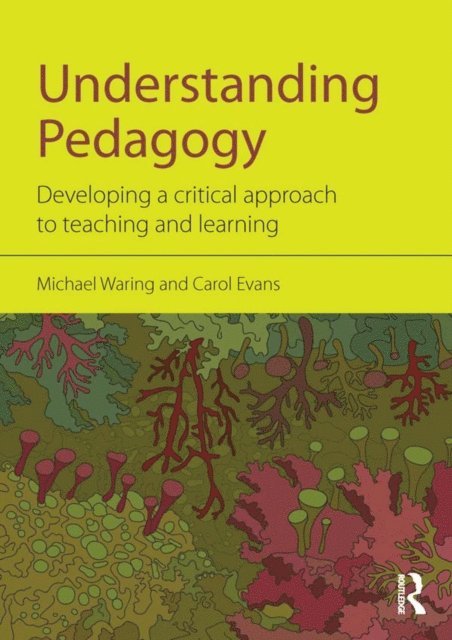
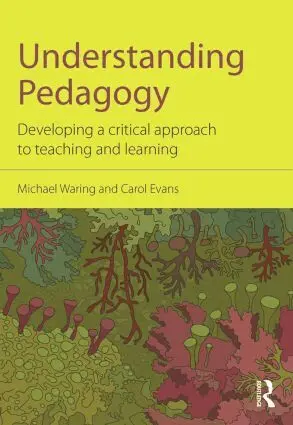
Pedagogy is a complex concept of which student and practising teachers need to have an understanding, yet there remain many ambiguities about what the term means, and how it informs learning in the classroom. Understanding Pedagogy examines pedagogy in a holistic way, supporting a more critical and reflective understanding of teaching and learning. It considers pedagogy as a concept that covers not just teaching approaches and pupil-teacher relationships but one which also embraces and informs educational theory, personal learning styles, assessment, and relationships inside and outside the classroom.
A detailed consideration of what it means to be a professional in the contemporary climate, Understanding Pedagogy challenges student and practising teachers to reappraise their understanding and practice through effectively linking theory and practice. Key issues explored include the importance of understanding a learning styles profile, the application of cognitive neuroscience to teaching, personalised learning, assessment and feedback, and what we mean by critical reflection. Using the Personal Learning Styles Pedagogy, the authors make explicit the integration of theory and practice and the many decisions and selections that teachers make, their implications for what is being taught and learnt, how learners are positioned in the pedagogical process, and ultimately, how learning can be improved.
Understanding Pedagogy will be essential reading for student and practising teachers, as well those on Education Studies courses and undertaking masters level courses, involved in the endeavour of understanding what constitutes effective teaching and learning.
441 kr
Skickas inom 10-15 vardagar
2 022 kr
Skickas inom 3-6 vardagar
4 398 kr
Skickas inom 7-10 vardagar
850 kr
Läs direkt efter köp
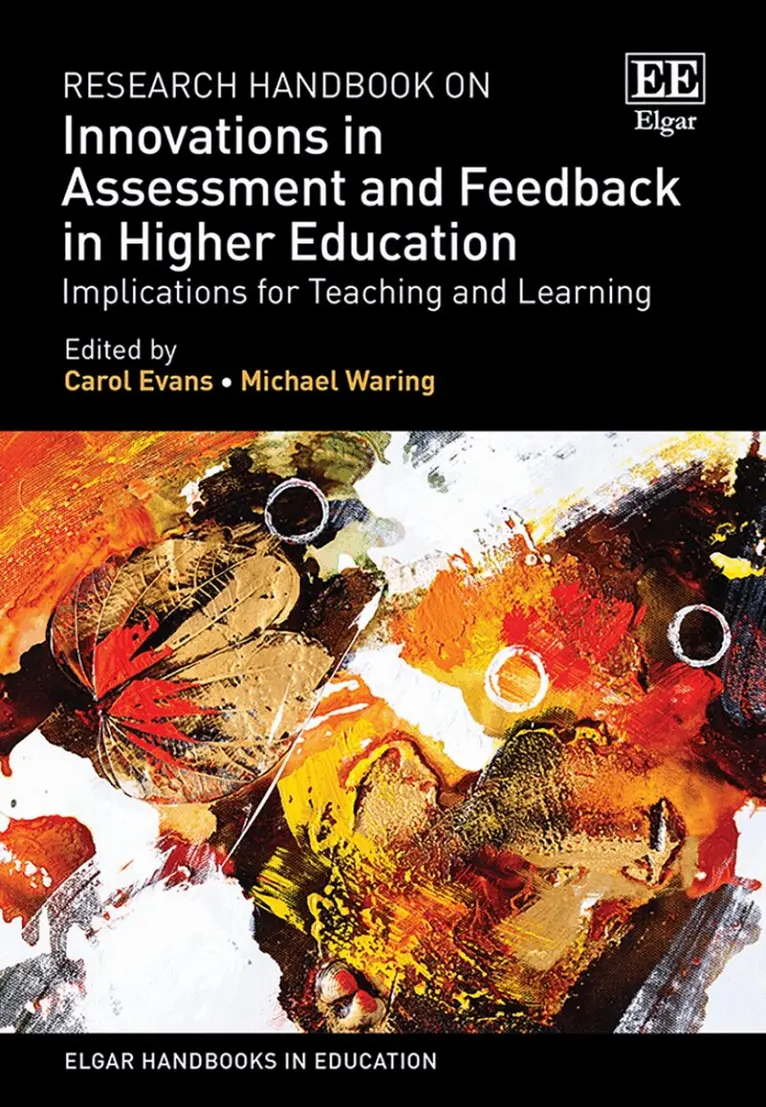
The Research Handbook on Innovations in Assessment and Feedback in Higher Education puts forward a stringent, internationally applicable theoretical and conceptual framework for the evaluation of assessment methods within university contexts. Chapters provide clear guidance on how to address the research-practice gap within assessments, emphasising how assessments can be shaped to improve key learning skills within local contexts including metacognitive abilities and self-regulatory proficiencies. Through clear descriptions and examinations of research models, it provides vital support for the transition from learning to real-world research practice.
Academics and students studying the research and practice of assessment and feedback methods, and those who provide assessment support, including all those committed to enhancing the quality of professional development training in assessment and feedback will find this Research Handbook to be of great interest, and an essential read in promoting high quality, efficient, and sustainable assessment and feedback practice.
314 kr
Tillfälligt slut