1 351 kr
Skickas inom 7-10 vardagar
1 351 kr
Skickas inom 7-10 vardagar
54 kr
Läs direkt efter köp
2 210 kr
Skickas inom 10-15 vardagar
490 kr
Skickas inom 10-15 vardagar
512 kr
Skickas inom 7-10 vardagar
946 kr
Skickas inom 7-10 vardagar
410 kr
Skickas inom 7-10 vardagar
480 kr
Skickas inom 7-10 vardagar
567 kr
Läs direkt efter köp
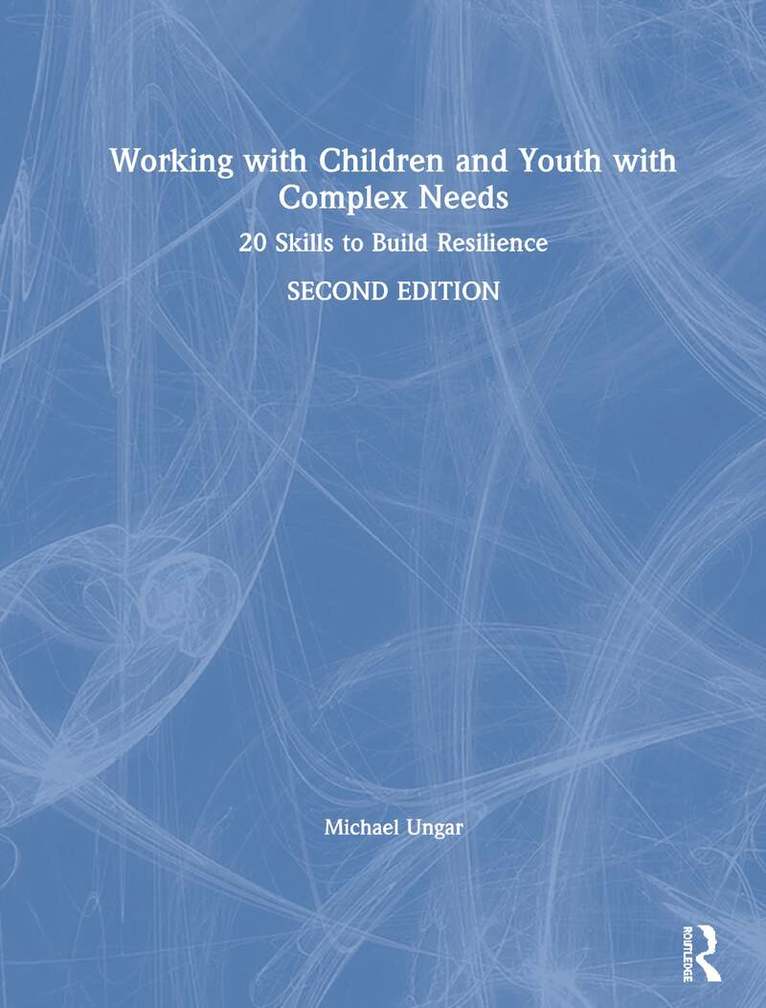
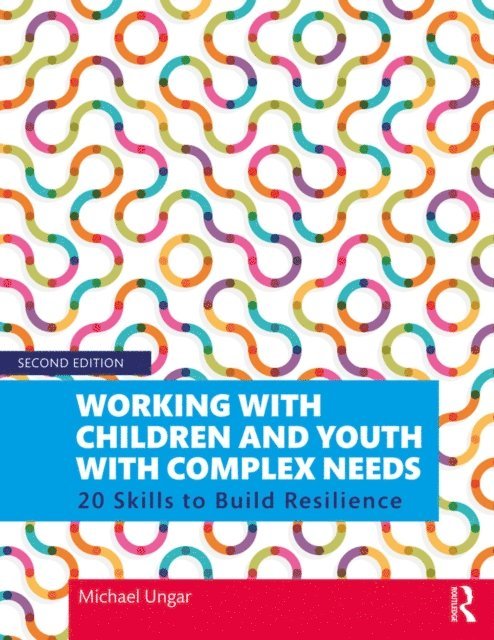
This new edition of Working with Children and Youth with Complex Needs provides detailed descriptions of techniques, ample case studies, fascinating and easy to understand explanations of research, and rich stories of how social workers, psychologists, counselors, child and youth care workers, and other mental health professionals can help young people become more resilient.
Fully updated and including new discussions of trauma, adverse childhood experiences (ACEs), resilience, genetic susceptibility to stress, the impact of migration and natural disasters on families, and much more, Dr. Ungar shows why we need to work just as hard changing the environments that surround children as we do changing children themselves. Building on lessons learned from clinical, community and residential settings, Dr. Ungar discusses a shortlist of 20 essential skills that can enhance the effectiveness of frontline mental health services without relying on expensive, resource heavy programs. Along with descriptions of the skills necessary to talk with clients about the factors that put their mental health at risk, Working with Children and Youth with Complex Needs presents systemic practices clinicians can use in their everyday work to help their clients transform their worlds and improve their access to the resources they need to succeed.
Chapters present a variety of practical strategies that clinicians can use to enhance and sustain the therapeutic value of their work, including engaging with children''s extended family; addressing issues of community violence, racism and homophobia; and helping parents and teachers understand (and change) children''s maladaptive coping strategies. A series of videos accompanies the text to help readers see the skills that are discussed being applied to real-life situations mental health professionals and their community allies encounter.
571 kr
Läs direkt efter köp
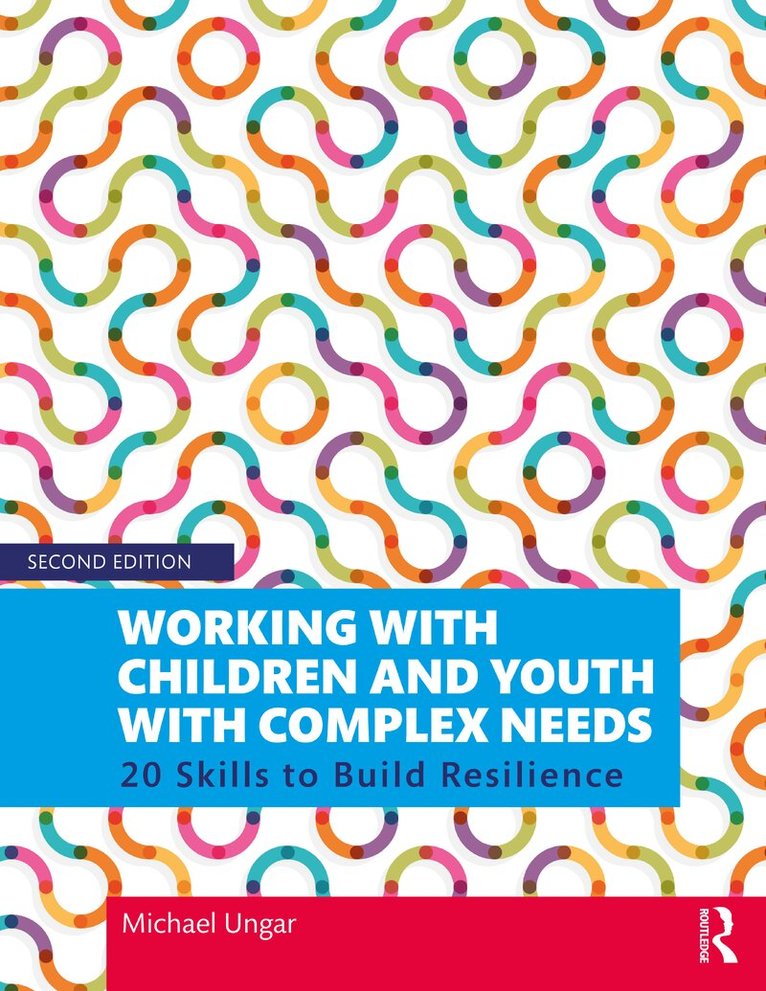
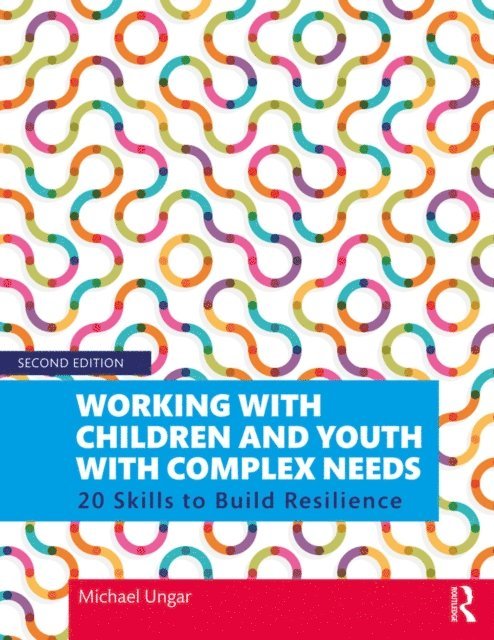
This new edition of Working with Children and Youth with Complex Needs provides detailed descriptions of techniques, ample case studies, fascinating and easy to understand explanations of research, and rich stories of how social workers, psychologists, counselors, child and youth care workers, and other mental health professionals can help young people become more resilient.
Fully updated and including new discussions of trauma, adverse childhood experiences (ACEs), resilience, genetic susceptibility to stress, the impact of migration and natural disasters on families, and much more, Dr. Ungar shows why we need to work just as hard changing the environments that surround children as we do changing children themselves. Building on lessons learned from clinical, community and residential settings, Dr. Ungar discusses a shortlist of 20 essential skills that can enhance the effectiveness of frontline mental health services without relying on expensive, resource heavy programs. Along with descriptions of the skills necessary to talk with clients about the factors that put their mental health at risk, Working with Children and Youth with Complex Needs presents systemic practices clinicians can use in their everyday work to help their clients transform their worlds and improve their access to the resources they need to succeed.
Chapters present a variety of practical strategies that clinicians can use to enhance and sustain the therapeutic value of their work, including engaging with children''s extended family; addressing issues of community violence, racism and homophobia; and helping parents and teachers understand (and change) children''s maladaptive coping strategies. A series of videos accompanies the text to help readers see the skills that are discussed being applied to real-life situations mental health professionals and their community allies encounter.
576 kr
Skickas inom 3-6 vardagar
1 791 kr
Skickas inom 7-10 vardagar
408 kr
Läs direkt efter köp
408 kr
Läs direkt efter köp
1 717 kr
Skickas inom 3-6 vardagar
1 094 kr
Skickas inom 3-6 vardagar
520 kr
Skickas inom 3-6 vardagar
668 kr
Läs direkt efter köp
600 kr
Läs direkt efter köp
600 kr
Läs direkt efter köp
502 kr
Läs direkt efter köp
502 kr
Läs direkt efter köp
239 kr
Läs direkt efter köp
85 kr
Läs direkt efter köp
1 574 kr
Skickas inom 10-15 vardagar
1 825 kr
Läs direkt efter köp
1 446 kr
Skickas inom 10-15 vardagar
129 kr
Läs direkt efter köp
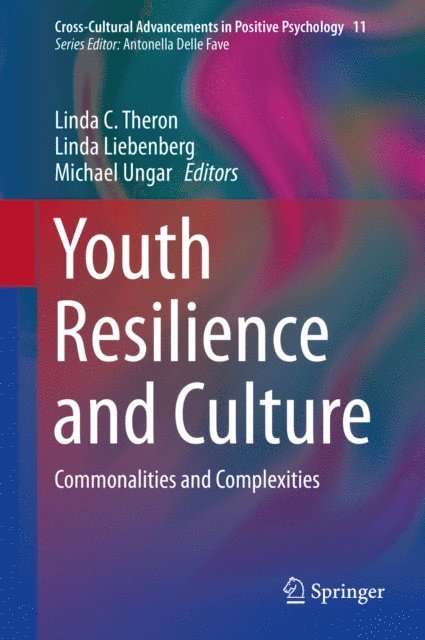
Commonalities and Complexities
1 487 kr
Skickas inom 10-15 vardagar
1 893 kr
Läs direkt efter köp
Until researchers and theorists account for the complex relationship between resilience and culture, explanations of why some individuals prevail in the face of adversity will remain incomplete. This edited volume addresses this crucial issue by bringing together emerging discussions of the ways in which culture shapes resilience, the theory that informs these various studies, and important considerations for researchers as they continue to investigate resilience. Using research from majority and minority world contexts, ‘Youth Resilience and Culture: Commonalities and Complexities’ highlights that non-stereotypical, critical appreciation of the cultural systems in which youth are embedded, and/or affiliate with, is pivotal to understanding why particular resilience processes matter for particular youth in a particular life-world at a particular point in time. In doing so, this book sensitizes readers to the importance of accounting for the influence of cultural contexts on resilience processes, and to the danger of conceptualising and/or operationalising resilience, culture, and their interplay, simplistically or idealistically. In short, the progressive contents of ‘Youth Resilience and Culture: Commonalities and Complexities’ make it an essential read for resilience-focused scholars, students, academics, and researchers, as well as policy makers, practitioners, and humanitarian workers engaged with high-risk populations.