739 kr
Skickas inom 10-15 vardagar
739 kr
Skickas inom 10-15 vardagar
803 kr
Läs direkt efter köp
654 kr
Läs direkt efter köp
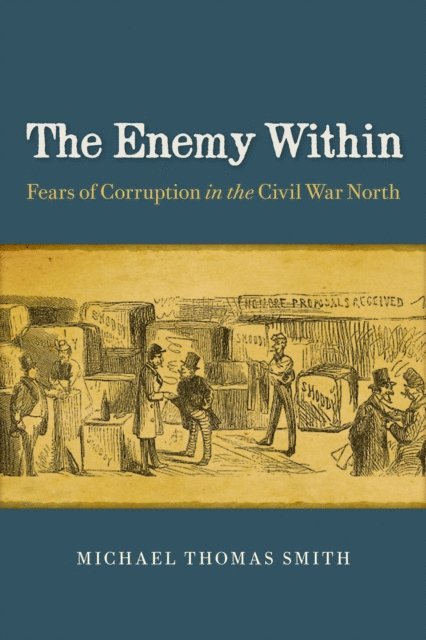
Stoked by a series of major scandals, popular fears of corruption in the Civil War North provide a unique window into Northern culture in the Civil War era. In The Enemy Within, Michael Thomas Smith relates these scandals—including those involving John C. Frémont’s administration in Missouri, Benjamin F. Butler’s in Louisiana, bounty jumping and recruitment fraud, controversial wartime innovations in the Treasury Department, government contracting, and the cotton trade—to deeper anxieties.
The massive growth of the national government during the Civil War and lack of effective regulation made corruption all but inevitable, as indeed it has been in all the nation’s wars and in every period of the nation’s history. Civil War Northerners responded with unique intensity to these threats, however. If anything, the actual scale of nineteenth-century public corruption and the party campaign fundraising with which it tended to intertwine was tiny compared with that of later eras, following the growth and consolidation of big business and corporations. Nevertheless, Civil War Northerners responded with far greater vigor than their descendants would muster against larger and more insidious threats.
In the 1860s the popular conception of corruption could still encompass such social trends as extravagant spending or the enjoyment of luxury goods. Even more telling are the ways in which citizens’ definitions of corruption manifested their specific fears: of government spending and centralization; of immigrants and the urban poor; of aristocratic ambition and pretension; and, most fundamentally, of modernization itself. Rational concerns about government honesty and efficiency had a way of spiraling into irrational suspicions of corrupt cabals and conspiracies. Those shadowy fears by contrast starkly illuminate Northerners’ most cherished beliefs and values.
1 362 kr
Skickas inom 10-15 vardagar
488 kr
Skickas inom 10-15 vardagar
2 667 kr
Läs direkt efter köp
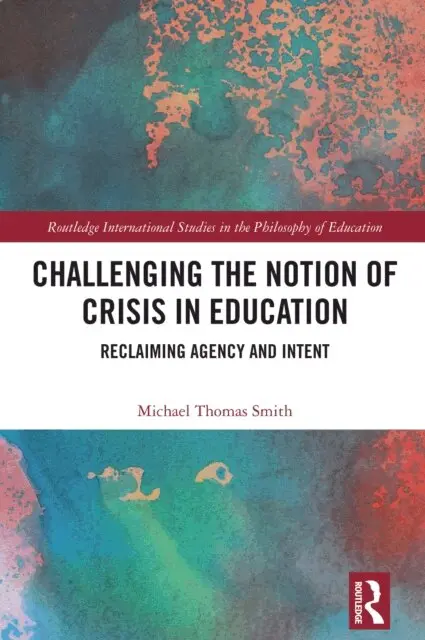
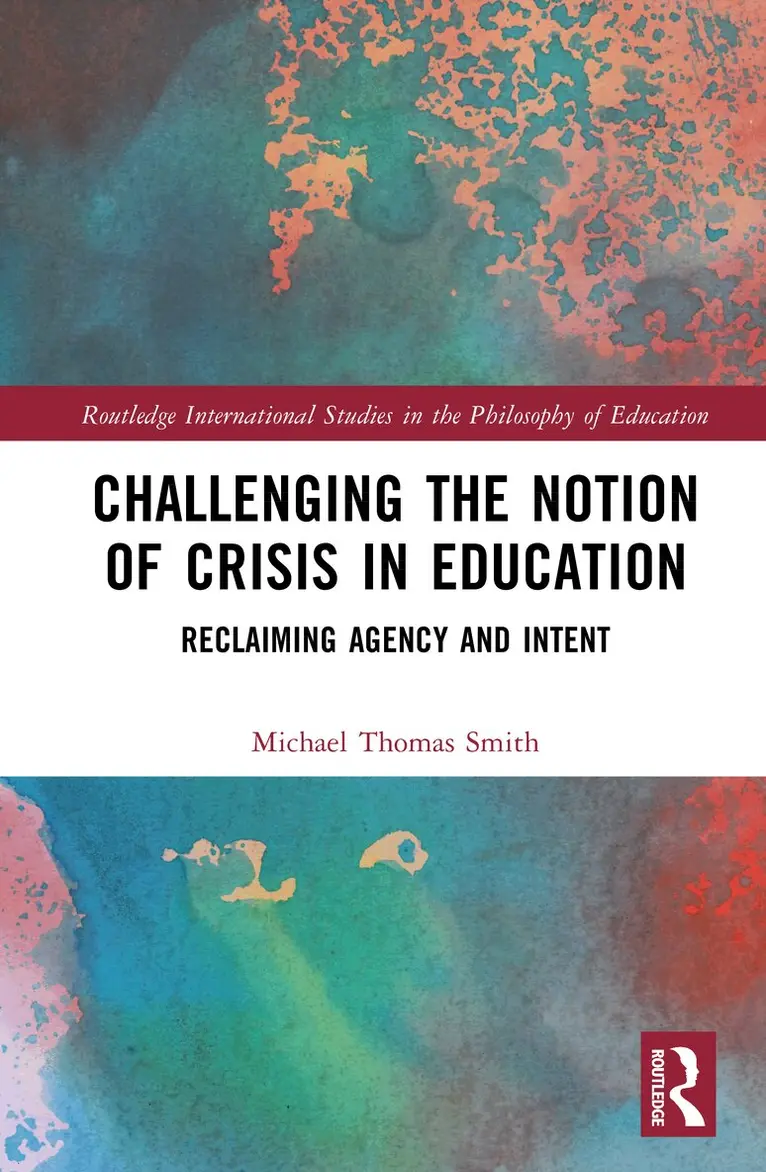
This book explores the narrative of education being in a state of perpetual crisis and the motivations behind the historical and contemporary tendency to exploit the same. Written as a call for greater media literacy, the book recognizes how and when "solutions" to the oft-acknowledged educational crises fail to address root causes, which ends up only maintaining the status quo.
The chapters of the book examine how the notion of education being in a perpetual state of crisis is often underpinned by a lack of funding, cherry-picking of data, ideological imperatives, the fashioning of public opinion as amorphous, or simple incompetence. Offering real-world solutions using international examples from Japan, India, Sweden, Russia, South Korea, and more, explained through robust philosophical conceptions, the author advocates for skepticism and epistemic humility as a key component in education. The book ultimately calls for people to reclaim the agency they have collectively surrendered in face of these crises and emphasizes on forging a new path that prioritizes forward-thinking movements.
This book will be of value to academics, postgraduates, and scholars of education interested in a solution-centric reorientation of the ongoing narrative and notions of education.
2 444 kr
Skickas inom 10-15 vardagar
803 kr
Läs direkt efter köp
527 kr
Tillfälligt slut
296 kr
Tillfälligt slut