This book acts as a pivotal role in my growth as a writer, while it explains the darker themes of life. It proves to be something of a anomaly because of the way it displays my information, which is in the way of later Elizabeth Bishop, with an overuse of alliteration and consonance producing a colorful array of words and phrases. In this way of writing it gives me a formula which acts as an advantage to write better and be a better poet. In other words, this book proves to be one of my best works as a writer and I hope the reader enjoys it just as much as I do.
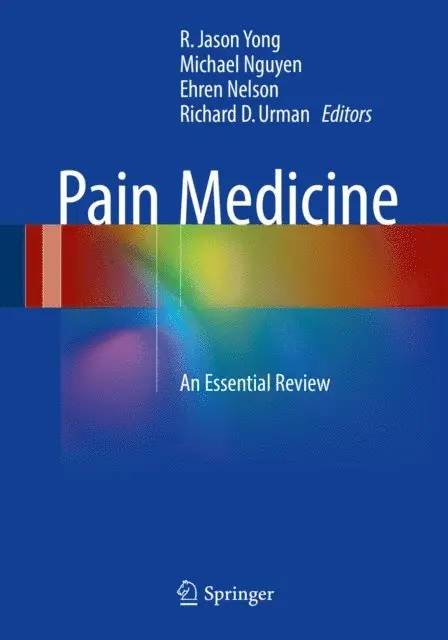
This book serves as a practical resource for pain medicine providers. It presents important clinical concepts while covering critical pain medicine fundamentals. Chapters were carefully chosen to cover common aspects of clinical pain medicine and also follow a common format to facilitate quick look-up. Each chapter includes a concise discussion of the latest supporting evidence as well as relevant case scenarios. The coverage is clinically and board relevant, evidence-based and up-to-date. It will appeal to residents preparing for the written board examination and practitioners preparing for board re-certification, which now occurs every 10 years. Beyond these groups, the book has the potential to appeal to learners and practitioners around the world; pain medicine is burgeoning globally, and there is great need for concise, clinically relevant resources.
This book serves as a practical resource for pain medicine providers. It presents important clinical concepts while covering critical pain medicine fundamentals. Chapters were carefully chosen to cover common aspects of clinical pain medicine and also follow a common format to facilitate quick look-up. Each chapter includes a concise discussion of the latest supporting evidence as well as relevant case scenarios. The coverage is clinically and board relevant, evidence-based and up-to-date. It will appeal to residents preparing for the written board examination and practitioners preparing for board re-certification, which now occurs every 10 years. Beyond these groups, the book has the potential to appeal to learners and practitioners around the world; pain medicine is burgeoning globally, and there is great need for concise, clinically relevant resources.