398 kr
Skickas inom 3-6 vardagar
398 kr
Skickas inom 3-6 vardagar
451 kr
Skickas
316 kr
Skickas
392 kr
Skickas inom 11-20 vardagar
376 kr
Skickas inom 11-20 vardagar
392 kr
Skickas inom 11-20 vardagar
130 kr
Skickas inom 7-10 vardagar
392 kr
Skickas inom 11-20 vardagar
421 kr
Skickas
389 kr
Skickas inom 11-20 vardagar
419 kr
Skickas
316 kr
Skickas inom 11-20 vardagar
Cambridge University Press
470 kr
Skickas inom 3-6 vardagar
339 kr
Läs direkt efter köp
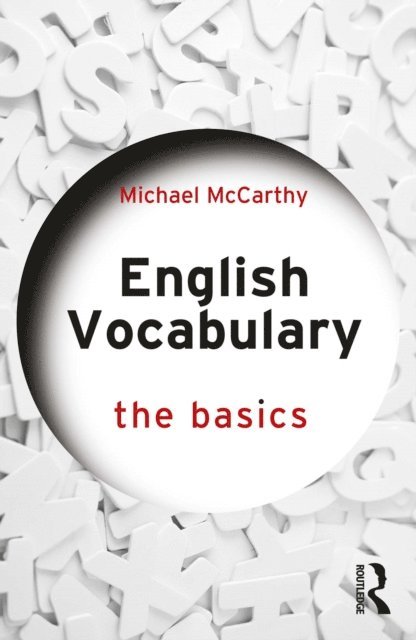
English Vocabulary: The Basics offers a clear, non-jargonistic introduction to English vocabulary, the way linguists classify and explain it, and the place of vocabulary in our overall picture of the language, and in society. Introducing a range of terminology for discussing vocabulary, the reader is provided with a coherent, structured description of what we know about words and their meanings.
Key features of this book include:
• Analysis of historical roots of present-day words
• Coverage of the differences between speech and writing and between formality and informality
• Understanding of the social implications of choices that readers make to use standard or non-standard (e.g., regional/dialect) vocabulary
• A focus on British English with reference to a wide range of varieties of English that include North American English, Irish English, Indian English, Malaysian English, Nigerian English and Caribbean English.
Featuring a glossary of key terms, cartoons and illustrations, further reading, reflection points, interesting "factoids" and examples from corpora from around the world, this book is an engaging and thought-provoking read for anyone with an interest in English vocabulary.

1 123 kr
Skickas inom 10-15 vardagar
1 470 kr
Läs direkt efter köp
1 100 kr
Skickas inom 10-15 vardagar
518 kr
Skickas inom 10-15 vardagar
2 601 kr
Skickas inom 10-15 vardagar
656 kr
Skickas inom 10-15 vardagar
384 kr
Skickas inom 10-15 vardagar
1 576 kr
Skickas inom 10-15 vardagar
15 207 kr
Skickas inom 10-15 vardagar
767 kr
Läs direkt efter köp
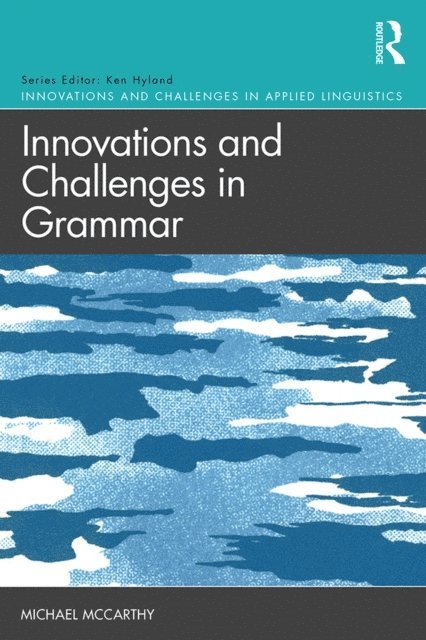
Innovations and Challenges in Grammar traces the history of common understandings of what grammar is and where it came from to demonstrate how ‘rules’ are anything but fixed and immutable. In doing so, it deconstructs the notion of ‘correctness’ to show how grammar changes over time thereby exposing the social and historical forces that mould and change usage. The questions that this book grapples with are:
Can we separate grammar from the other features of the language system and get a handle on it as an independent entity?
Why should there be strikingly different notions and models of grammar? Are they (in)compatible?
Which one or ones fit(s) best the needs of applied linguists if we assume that applied linguists address real-world problems through the lens of language? And which one(s) could make most sense to non-specialists?
If grammar is not a fixed entity but a set of usage norms in constant flux, how can we persuade other professionals and the general public that this is a positive observation rather than a threat to civilised behaviour?
This book draws upon both historical and modern grammars from across the globe to provide a multi-layered picture of world grammar. It will be useful to teachers and researchers of English as a first and second language, though the inclusion of examples from and occasional references to other languages (French, Spanish, Malay, Swedish, Russian, Welsh, Burmese, Japanese) is intended to broaden the appeal to teachers and researchers of other languages. It will be of use to final-year undergraduate, postgraduate and doctoral students as well as secondary and tertiary level teachers and researchers in applied linguistics, second language acquisition and grammar pedagogy.
762 kr
Läs direkt efter köp
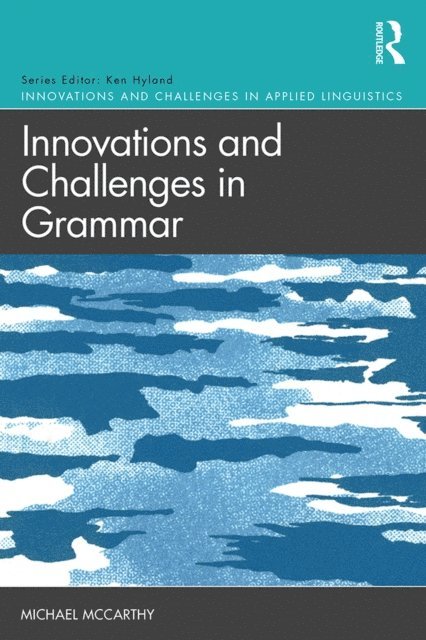
Innovations and Challenges in Grammar traces the history of common understandings of what grammar is and where it came from to demonstrate how ‘rules’ are anything but fixed and immutable. In doing so, it deconstructs the notion of ‘correctness’ to show how grammar changes over time thereby exposing the social and historical forces that mould and change usage. The questions that this book grapples with are:
Can we separate grammar from the other features of the language system and get a handle on it as an independent entity?
Why should there be strikingly different notions and models of grammar? Are they (in)compatible?
Which one or ones fit(s) best the needs of applied linguists if we assume that applied linguists address real-world problems through the lens of language? And which one(s) could make most sense to non-specialists?
If grammar is not a fixed entity but a set of usage norms in constant flux, how can we persuade other professionals and the general public that this is a positive observation rather than a threat to civilised behaviour?
This book draws upon both historical and modern grammars from across the globe to provide a multi-layered picture of world grammar. It will be useful to teachers and researchers of English as a first and second language, though the inclusion of examples from and occasional references to other languages (French, Spanish, Malay, Swedish, Russian, Welsh, Burmese, Japanese) is intended to broaden the appeal to teachers and researchers of other languages. It will be of use to final-year undergraduate, postgraduate and doctoral students as well as secondary and tertiary level teachers and researchers in applied linguistics, second language acquisition and grammar pedagogy.
398 kr
859 kr
Skickas inom 11-20 vardagar
710 kr
Skickas inom 3-6 vardagar
483 kr
Skickas
653 kr
Skickas inom 3-6 vardagar