159 kr
Skickas
159 kr
Skickas
551 kr
Skickas inom 7-10 vardagar
3 138 kr
Skickas inom 10-15 vardagar
2 526 kr
Skickas inom 10-15 vardagar
915 kr
Skickas inom 10-15 vardagar
1 050 kr
Skickas inom 11-20 vardagar
For Students of British History
599 kr
Skickas inom 7-10 vardagar
592 kr
Skickas inom 7-10 vardagar
257 kr
Skickas inom 3-6 vardagar
152 kr
Skickas inom 7-10 vardagar
152 kr
Skickas inom 7-10 vardagar
147 kr
Läs direkt efter köp
191 kr
Skickas
325 kr
Skickas inom 7-10 vardagar
2 231 kr
Läs direkt efter köp
2 198 kr
Läs direkt efter köp
242 kr
Skickas inom 7-10 vardagar
1 285 kr
Skickas inom 10-15 vardagar
546 kr
Skickas inom 7-10 vardagar
2 378 kr
Skickas inom 7-10 vardagar
118 kr
Läs direkt efter köp
2 553 kr
Skickas inom 7-10 vardagar
2 volume set
1 345 kr
Skickas inom 7-10 vardagar
2 056 kr
Skickas inom 10-15 vardagar
200 kr
Skickas inom 7-10 vardagar
1 052 kr
Läs direkt efter köp
1 052 kr
Läs direkt efter köp
1 032 kr
Skickas inom 7-10 vardagar
1 022 kr
Läs direkt efter köp
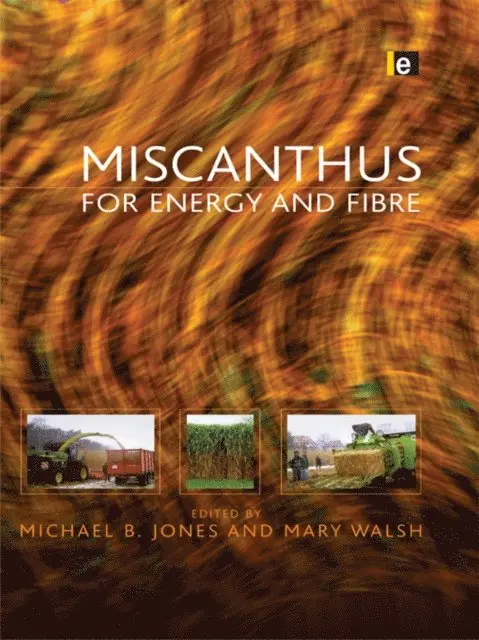
Miscanthus is a promising non-food crop yielding high quality lignocellulosic material which can be used in a number of ways, including energy and fibre production, thatching, and industrial use.
This book encompasses the results and recommendations arising from extensive trials and experiments carried out by the leading European research organisations and institutions in the field.
Much of the research was performed under the auspices of the Miscanthus Productivity Network, established under European Union''s Directorate General for Agriculture (DG VI).
This book presents expert guidance to growth conditions and breeding of Miscanthus, potential productivity and economics, environmental aspects, and harvesting, storage and utilisation. A guide to this increasingly important subject is long overdue and will be welcomed by all those involved in biomass production and renewable energies, or assessing the potential of Miscanthus as a non-food crop.
1 015 kr
Läs direkt efter köp
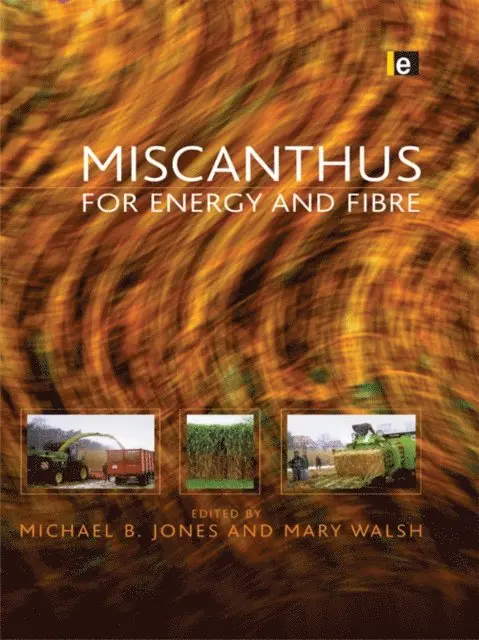
Miscanthus is a promising non-food crop yielding high quality lignocellulosic material which can be used in a number of ways, including energy and fibre production, thatching, and industrial use.
This book encompasses the results and recommendations arising from extensive trials and experiments carried out by the leading European research organisations and institutions in the field.
Much of the research was performed under the auspices of the Miscanthus Productivity Network, established under European Union''s Directorate General for Agriculture (DG VI).
This book presents expert guidance to growth conditions and breeding of Miscanthus, potential productivity and economics, environmental aspects, and harvesting, storage and utilisation. A guide to this increasingly important subject is long overdue and will be welcomed by all those involved in biomass production and renewable energies, or assessing the potential of Miscanthus as a non-food crop.