1 225 kr
Skickas inom 7-10 vardagar
1 225 kr
Skickas inom 7-10 vardagar
389 kr
Skickas inom 5-8 vardagar
401 kr
Läs direkt efter köp
404 kr
Läs direkt efter köp
1 602 kr
Skickas inom 10-15 vardagar
503 kr
Skickas inom 10-15 vardagar
2 571 kr
Skickas inom 10-15 vardagar
663 kr
Skickas inom 10-15 vardagar
696 kr
Läs direkt efter köp
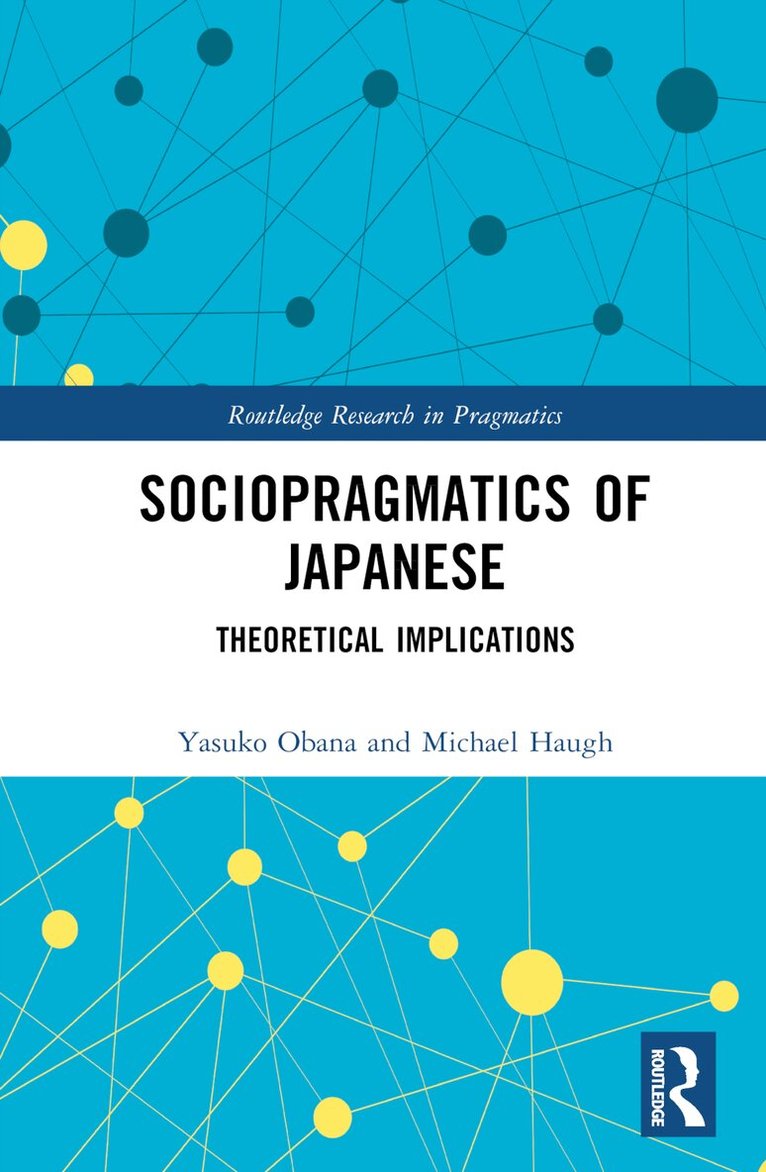
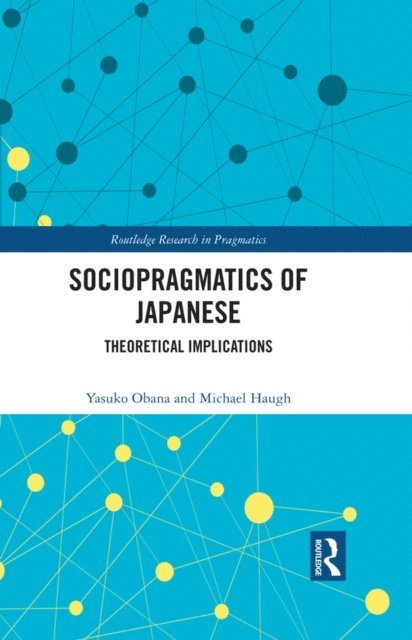
Obana and Haugh question the extent to which commonly accepted theories in pragmatics can readily explain sociopragmatic phenomena in Japanese. Studies of Japanese in pragmatics have often challenged the cross-linguistic relevance of dominant theories. However, they have also inadvertently perpetuated stereotypes about the Japanese. It is often been assumed, for instance, that Japanese people are less strategic, more polite and more reliant on tacit forms of communication than speakers of other languages. But the Japanese are not as polite as one might think. The aim of this book is thus to question those folk assumptions around politeness, impoliteness, irony and indirectness while at the same time emphasizing that close examination of sociopragmatic phenomena in Japanese yields important empirical insights that combat common theoretical assumptions in pragmatics. The content is structured in three parts, in which the authors highlight a key building block of a theory of sociopragmatics. Part I focuses on indexing through the lens of chapters on honorifics, routine formula and politeness strategies. Part II focuses on evaluating through the lens of chapters on giving/receiving expressions and honorific irony. Finally, Part III focuses on relating through the lens of chapters on joint utterances and off record requests. Throughout the chapters the authors draw attention to ways in which these three dimensions are invariably intertwined in various ways.
This book is not simply a collection of studies that promotes our understanding of the sociopragmatics of a particular language, but goes deeper and challenges what many have taken for granted in pragmatics. It proposes a framework for exploring sociopragmatic phenomena, building on the key sociopragmatic axes of indexing, evaluating and relating, and offers fresh new perspectives on time-honoured phenomena in pragmatics.
It will interest scholars and postgraduate students in pragmatics, particularly those specializing in: politeness, impoliteness, indirectness and irony. The book explains what Japanese terms mean, and all the Japanese examples are morphologically-glossed. Therefore, teachers (and advanced learners) of Japanese at all levels will benefit from the book as it will enrich their knowledge of the Japanese language.
691 kr
Läs direkt efter köp
Obana and Haugh question the extent to which commonly accepted theories in pragmatics can readily explain sociopragmatic phenomena in Japanese. Studies of Japanese in pragmatics have often challenged the cross-linguistic relevance of dominant theories. However, they have also inadvertently perpetuated stereotypes about the Japanese. It is often been assumed, for instance, that Japanese people are less strategic, more polite and more reliant on tacit forms of communication than speakers of other languages. But the Japanese are not as polite as one might think. The aim of this book is thus to question those folk assumptions around politeness, impoliteness, irony and indirectness while at the same time emphasizing that close examination of sociopragmatic phenomena in Japanese yields important empirical insights that combat common theoretical assumptions in pragmatics. The content is structured in three parts, in which the authors highlight a key building block of a theory of sociopragmatics. Part I focuses on indexing through the lens of chapters on honorifics, routine formula and politeness strategies. Part II focuses on evaluating through the lens of chapters on giving/receiving expressions and honorific irony. Finally, Part III focuses on relating through the lens of chapters on joint utterances and off record requests. Throughout the chapters the authors draw attention to ways in which these three dimensions are invariably intertwined in various ways.
This book is not simply a collection of studies that promotes our understanding of the sociopragmatics of a particular language, but goes deeper and challenges what many have taken for granted in pragmatics. It proposes a framework for exploring sociopragmatic phenomena, building on the key sociopragmatic axes of indexing, evaluating and relating, and offers fresh new perspectives on time-honoured phenomena in pragmatics.
It will interest scholars and postgraduate students in pragmatics, particularly those specializing in: politeness, impoliteness, indirectness and irony. The book explains what Japanese terms mean, and all the Japanese examples are morphologically-glossed. Therefore, teachers (and advanced learners) of Japanese at all levels will benefit from the book as it will enrich their knowledge of the Japanese language.
1 777 kr
Skickas inom 7-10 vardagar
1 750 kr
Läs direkt efter köp
1 761 kr
Skickas inom 7-10 vardagar
617 kr
Läs direkt efter köp
621 kr
Läs direkt efter köp
636 kr
Skickas inom 7-10 vardagar
435 kr
Skickas inom 7-10 vardagar
1 805 kr
Skickas inom 7-10 vardagar
427 kr
Läs direkt efter köp
423 kr
Läs direkt efter köp
895 kr
Skickas inom 3-6 vardagar
690 kr
Läs direkt efter köp
690 kr
Läs direkt efter köp
3 912 kr
Skickas inom 10-15 vardagar
5 225 kr
Läs direkt efter köp
542 kr
Läs direkt efter köp
546 kr
Läs direkt efter köp
626 kr
Läs direkt efter köp
622 kr
Läs direkt efter köp
2 495 kr
Skickas inom 10-15 vardagar