1 068 kr
Skickas inom 10-15 vardagar
1 068 kr
Skickas inom 10-15 vardagar
433 kr
Skickas inom 7-10 vardagar
269 kr
Skickas inom 7-10 vardagar
481 kr
Skickas inom 7-10 vardagar
416 kr
Läs direkt efter köp
270 kr
Skickas inom 7-10 vardagar
424 kr
Läs direkt efter köp
203 kr
Skickas inom 7-10 vardagar
364 kr
Skickas inom 7-10 vardagar
299 kr
Läs direkt efter köp
204 kr
Skickas inom 7-10 vardagar
364 kr
Skickas inom 7-10 vardagar
297 kr
Läs direkt efter köp
474 kr
Skickas inom 7-10 vardagar
271 kr
Skickas inom 7-10 vardagar
419 kr
Läs direkt efter köp
208 kr
Skickas inom 7-10 vardagar
398 kr
Skickas inom 7-10 vardagar
376 kr
Läs direkt efter köp
1 202 kr
Skickas inom 10-15 vardagar
1 587 kr
Läs direkt efter köp
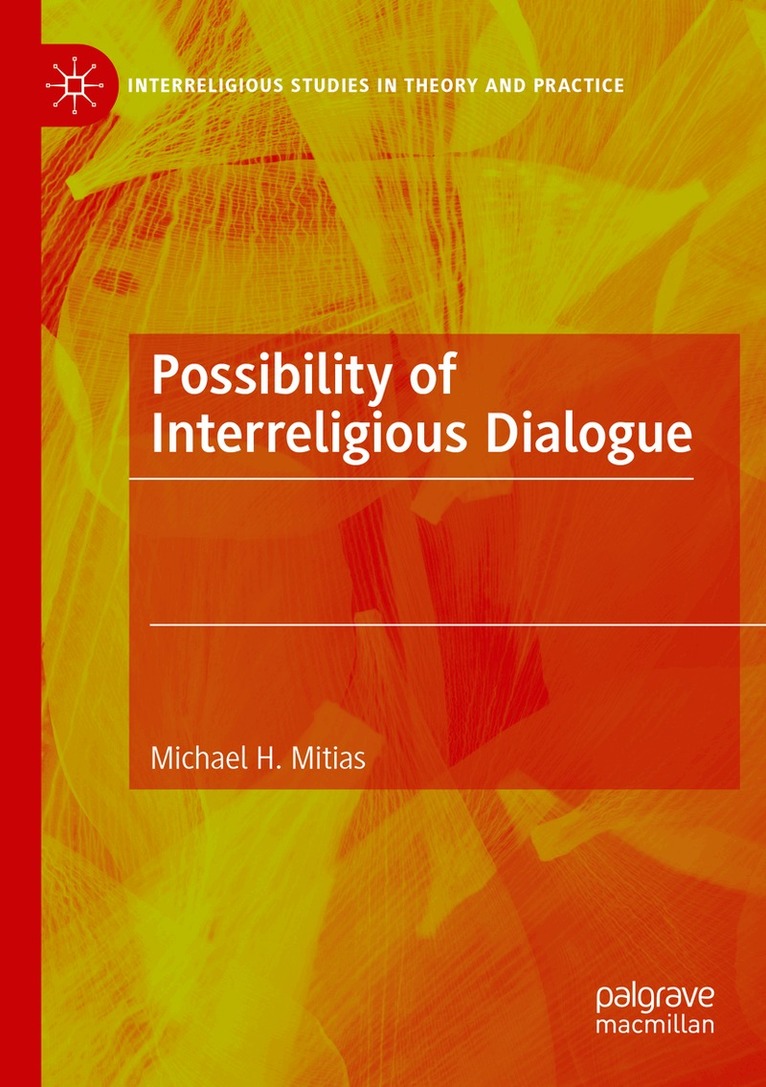
Is dialogue between the major religions of the world possible? If it is possible, under what conditions? In this book, Michael H. Mitias argues that it is possible provided various conditions are met. These conditions include mutual respect, mutual understanding, and God-centeredness. First, how can a religion that is unusually complex—composed of a doctrine founded in a unique divine revelation, a leadership class of theologians, teachers, clergy, and administrators, and a community across global cultures—show uniform respect to another religion? How can a complex institution like a religion truly understand another religion? Third, can the different religions worship the same God if their conceptions of God are based on their unique doctrines? Mitias addresses these questions and argues that it is possible for religions to respect and understand one another. Further, he argues that the different conceptions of God are necessarily founded in a belief in the existence of a transcendent, infinite, and wise being.
1 202 kr
Skickas inom 10-15 vardagar
1 318 kr
Skickas inom 10-15 vardagar
1 720 kr
Läs direkt efter köp
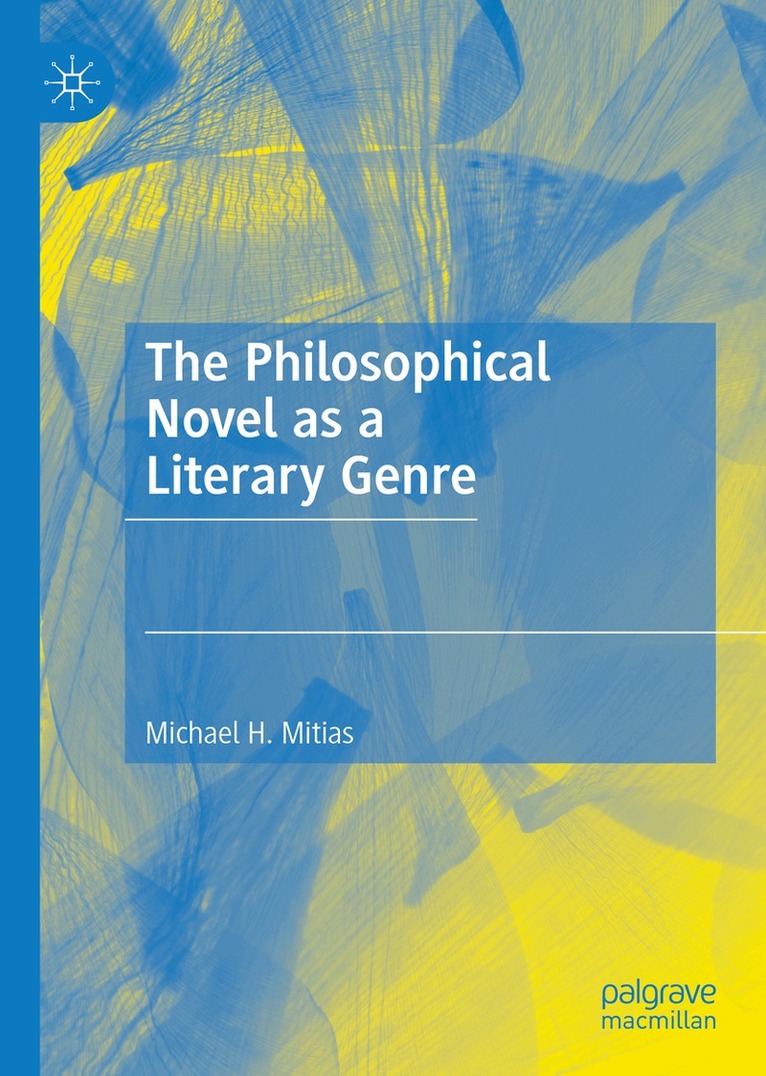
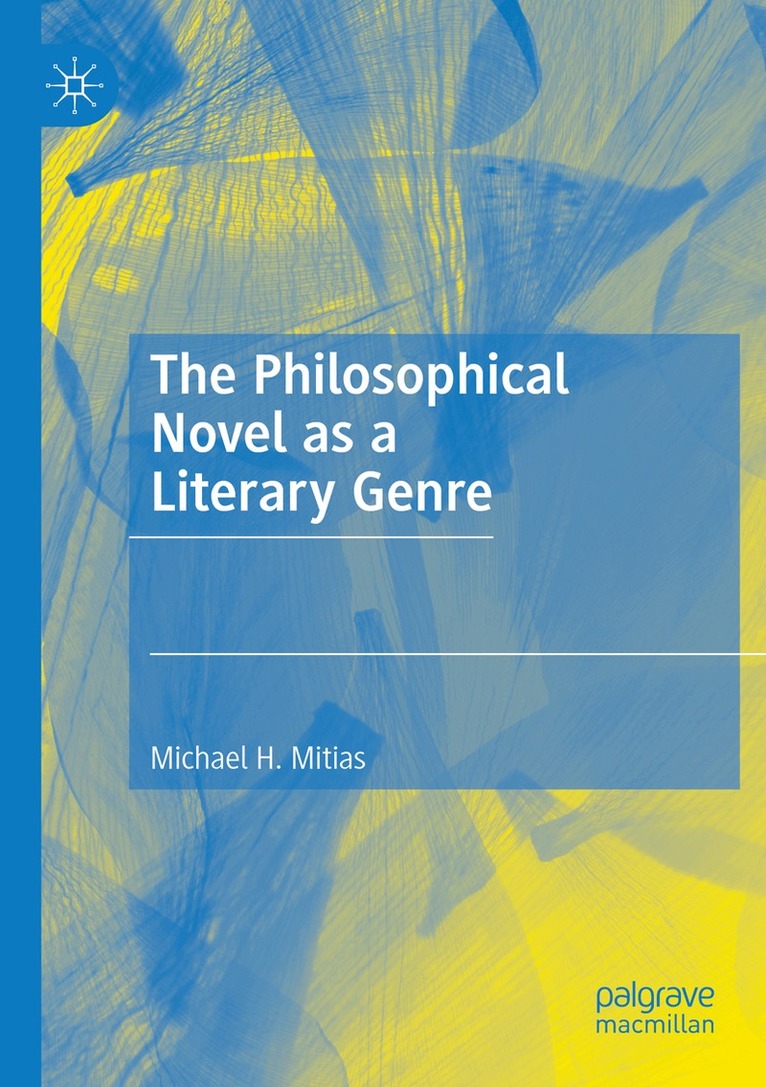
This book examines the conceptual, existential, and logical conditions under which the philosophical novel can be treated as a literary genre on a par with generally recognized literary genres, such as mystery, romantic, adventure, religious, or historical novel. Michael H. Mitias argues that the philosophical novel meets these conditions. He advances a detailed analysis of the concept of literary genre, and discusses the reasons which justify the claim that philosophical novel is a distinct literary genre. This is based on the assumption that philosophical ideas can be communicated metaphorically. An analysis of this assumption necessarily leads to a detailed discussion of the concept of metaphor and the extent to which it can be the vehicle of communicating philosophical truth.
1 318 kr
Skickas inom 10-15 vardagar
1 799 kr
Skickas inom 3-6 vardagar
1 391 kr
Läs direkt efter köp
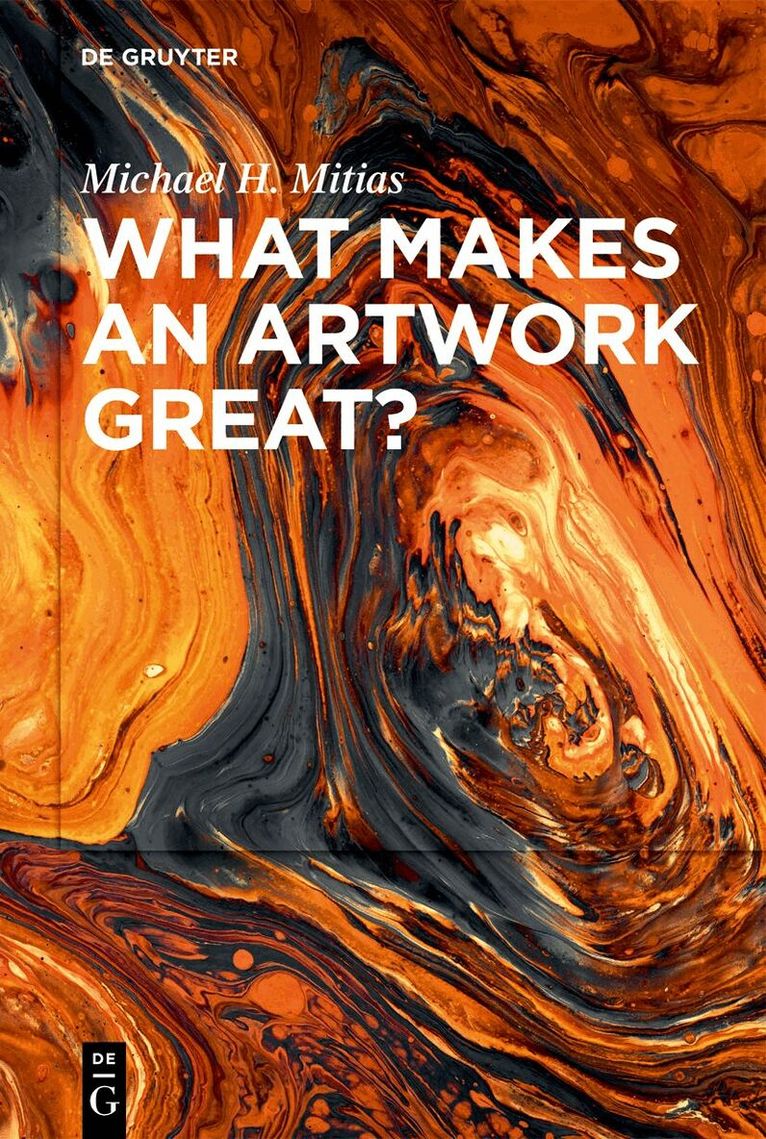
Michael Mitias presents, explains, and defends in some detail the features that make an artwork great – magic, universality, and the test of time. Although some aestheticians, beginning with Longinus, discussed these features during the past two millennia, they did not analyze them comprehensively, nor did they justify them from the standpoint of a satisfactory conception of the nature of art. In this book, the author first explains the nature of the features that make an artifact art and then proceeds to establish the validity of his thesis on firm epistemological and ontological foundations.
In his endeavor to explicate the nature of this foundation, the author answers four questions. First, what is the genesis of the artwork? What makes it art? He answers this question by advancing a concept of aesthetic depth. The essence of this depth is human meaning. Second, under what perceptual conditions does this depth come to life in the process of aesthetic perception? Third, what is the role of the concept of aesthetic depth in the analysis of the nature of the great artwork? How does the concept of aesthetic depth function as a principle of explanation? Fourth, how can we justify the attribution of magic, universality, and the test of time to the great work of art? In short, an understanding of the genesis of the artwork, aesthetic depth, aesthetic value, and aesthetic perception is indispensable for an adequate conception of greatness in art.
600 kr
Skickas inom 7-10 vardagar
557 kr
Skickas inom 7-10 vardagar