852 kr
Skickas inom 10-15 vardagar
852 kr
Skickas inom 10-15 vardagar
2 602 kr
Skickas inom 10-15 vardagar
886 kr
Läs direkt efter köp
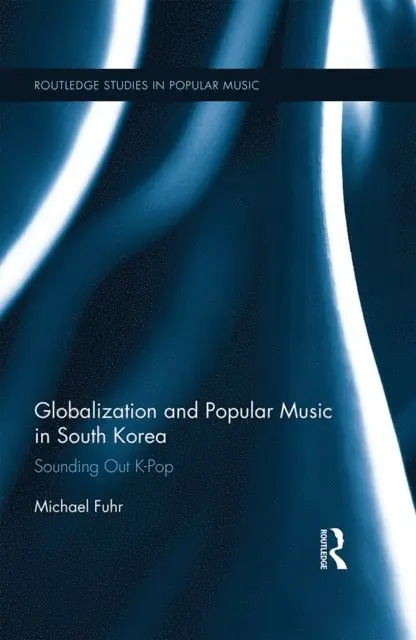
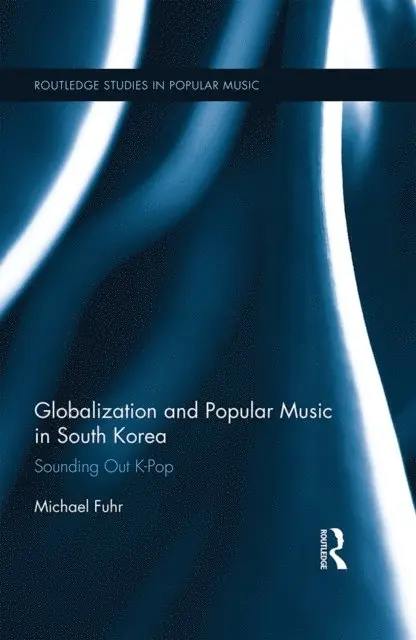
This book offers an in-depth study of the globalization of contemporary South Korean idol pop music, or K-Pop, visiting K-Pop and its multiple intersections with political, economic, and cultural formations and transformations. It provides detailed insights into the transformative process in and around the field of Korean pop music since the 1990s, which paved the way for the recent international rise of K-Pop and the Korean Wave. Fuhr examines the conditions and effects of transnational flows, asymmetrical power relations, and the role of the imaginary "other" in K-Pop production and consumption, relating them to the specific aesthetic dimensions and material conditions of K-Pop stars, songs, and videos. Further, the book reveals how K-Pop is deployed for strategies of national identity construction in connection with Korean cultural politics, with transnational music production circuits, and with the transnational mobility of immigrant pop idols. The volume argues that K-Pop is a highly productive cultural arena in which South Korea’s globalizing and nationalizing forces and imaginations coincide, intermingle, and counteract with each other and in which the tension between both of these poles is played out musically, visually, and discursively. This book examines a vibrant example of contemporary popular music from the non-Anglophone world and provides deeper insight into the structure of popular music and the dynamics of cultural globalization through a combined set of ethnographic, musicological, and cultural analysis. Widening the regional scope of Western-dominated popular music studies and enhancing new areas of ethnomusicology, anthropology, and cultural studies, this book will also be of interest to those studying East Asian popular culture, music globalization, and popular music.
886 kr
Läs direkt efter köp
This book offers an in-depth study of the globalization of contemporary South Korean idol pop music, or K-Pop, visiting K-Pop and its multiple intersections with political, economic, and cultural formations and transformations. It provides detailed insights into the transformative process in and around the field of Korean pop music since the 1990s, which paved the way for the recent international rise of K-Pop and the Korean Wave. Fuhr examines the conditions and effects of transnational flows, asymmetrical power relations, and the role of the imaginary "other" in K-Pop production and consumption, relating them to the specific aesthetic dimensions and material conditions of K-Pop stars, songs, and videos. Further, the book reveals how K-Pop is deployed for strategies of national identity construction in connection with Korean cultural politics, with transnational music production circuits, and with the transnational mobility of immigrant pop idols. The volume argues that K-Pop is a highly productive cultural arena in which South Korea’s globalizing and nationalizing forces and imaginations coincide, intermingle, and counteract with each other and in which the tension between both of these poles is played out musically, visually, and discursively. This book examines a vibrant example of contemporary popular music from the non-Anglophone world and provides deeper insight into the structure of popular music and the dynamics of cultural globalization through a combined set of ethnographic, musicological, and cultural analysis. Widening the regional scope of Western-dominated popular music studies and enhancing new areas of ethnomusicology, anthropology, and cultural studies, this book will also be of interest to those studying East Asian popular culture, music globalization, and popular music.
1 839 kr
Skickas inom 3-6 vardagar
NWB Verlag
807 kr
Skickas inom 3-6 vardagar
221 kr
Läs direkt efter köp
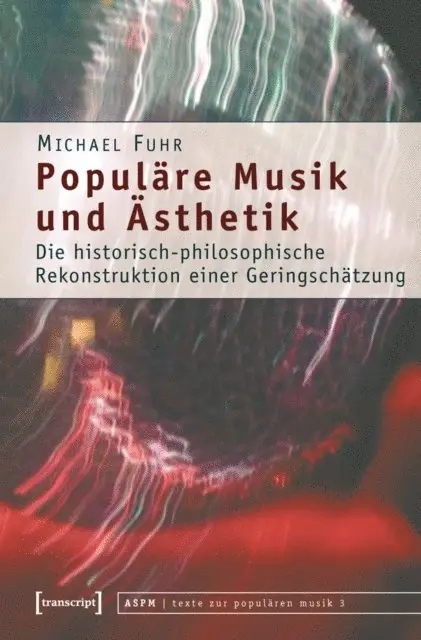
Ob im Fernsehen oder Radio, im Kaufhaus, in Cafés, Clubs oder zu Hause - Popmusik ist heute allgegenwärtig. Umso auffälliger erscheint ihre geringe akademische Akzeptanz. Die Studie sucht hierfür Gründe und geht dabei den historisch-philosophischen Bedingungen nach, die das Forschungsfeld zu populärer Musik bestimmen. Von der Ausgrenzung aus der klassischen Ästhetik bis hin zu Alltags- und Körperästhetiken werden Zusammenhänge aufgezeigt, die eine kritische Sicht auf die strukturbildenden Prinzipien musikwissenschaftlicher Forschung eröffnen und zugleich als Grundlagen für eine wissenschaftliche Auseinandersetzung mit populärer Musik dienen.