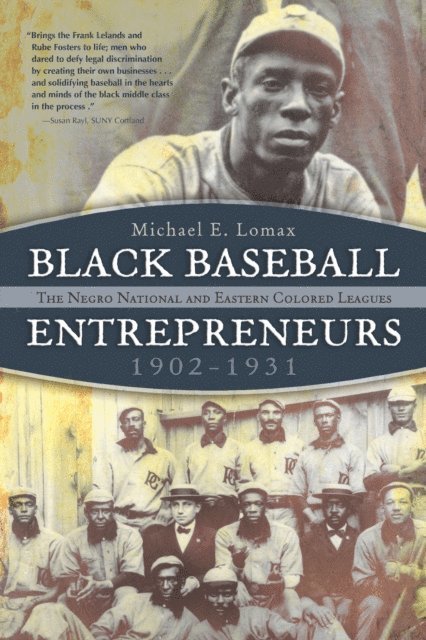
As the companion volume to Black Baseball Entrepreneurs, 1860–1901: Operating by Any Means Necessary, Lomax’s new book continues to chronicle the history of black baseball in the United States. The first volume traced the development of baseball from an exercise in community building among African Americans in the pre–Civil War era to a commercialized amusement and a rare and lucrative opportunity for entrepreneurship within the black community. In this book, Lomax takes a closer look at the marketing and promotion of the Negro Leagues by black baseball magnates. He explores how race influenced black baseball’s institutional development and shaped the business relationship with white clubs and managers. Lomax analyzes the decisions that black baseball magnates made to insulate themselves from outside influences. He explains how this insulation may have distorted their perceptions and ultimately led to the Negro Leagues’ demise. The collapse of the Negro Leagues by 1931 was, Lomax argues, "a dream deferred in the overall African American pursuit for freedom and self-determination."
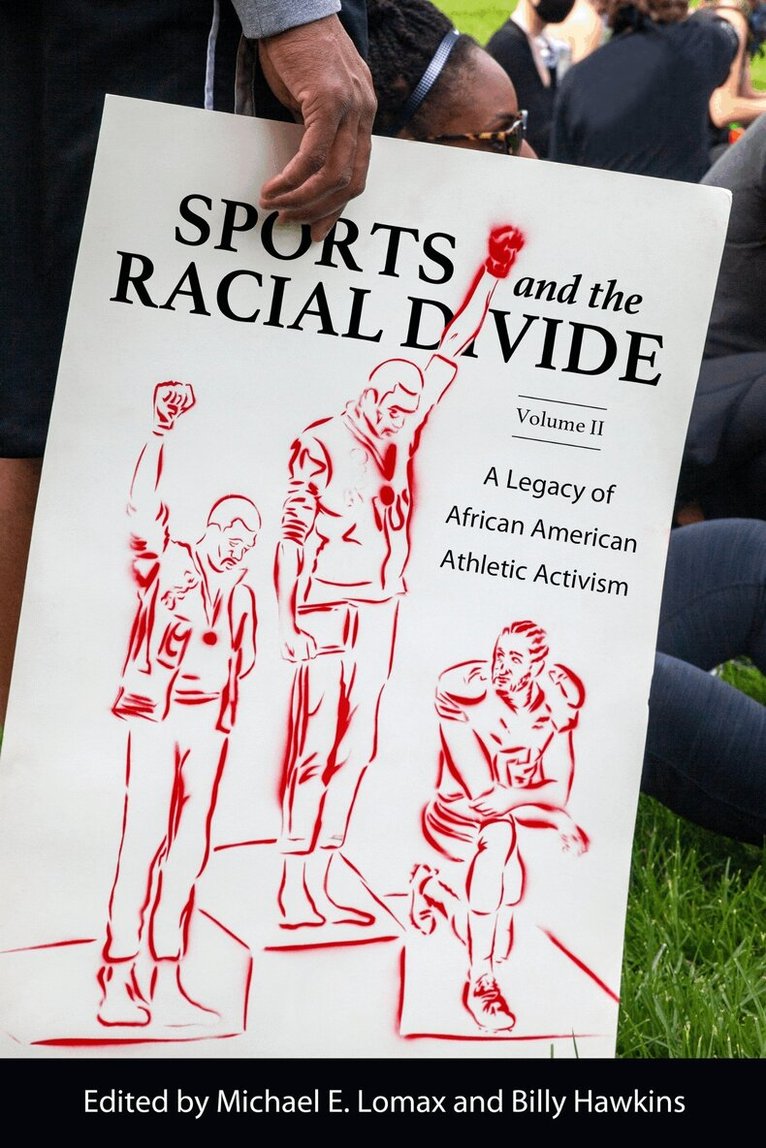
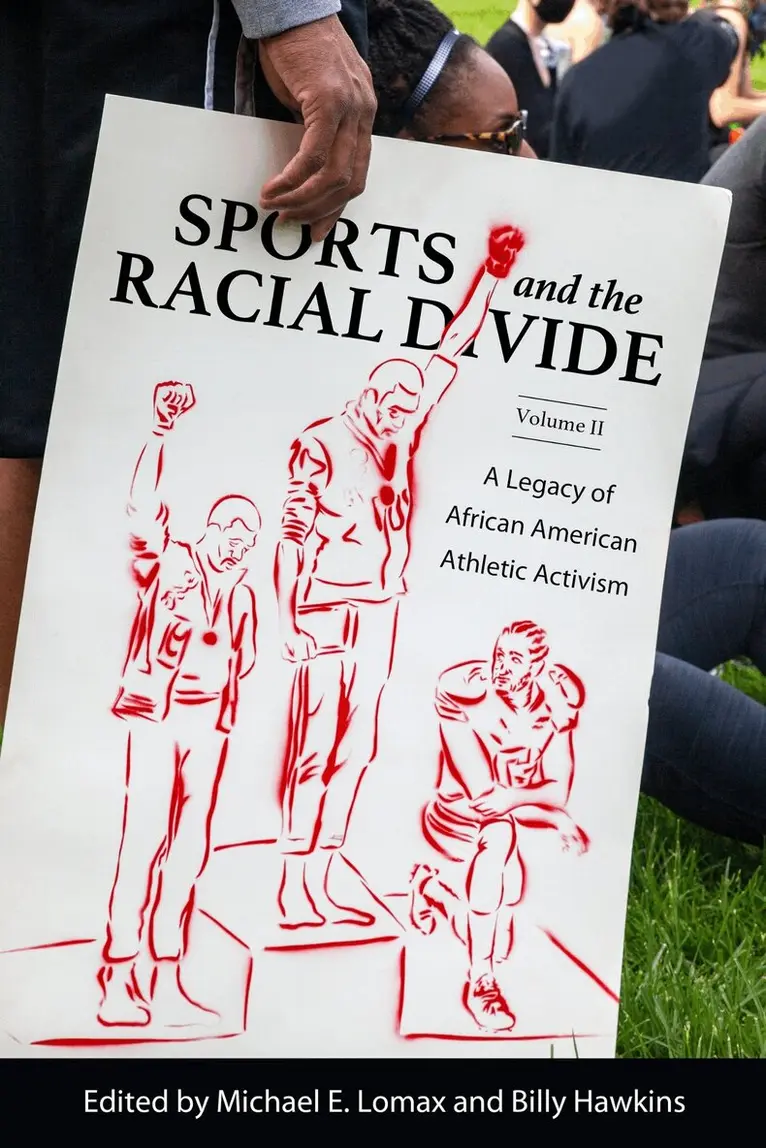
Contributions by Amy Bass, Ashley Farmer, Sarah K. Fields, Billy J. Hawkins, Kurt Edward Kemper, Michael E. Lomax, and David K. WigginsIn Sports and the Racial Divide, Volume II: A Legacy of African American Athletic Activism, Michael E. Lomax and Billy J. Hawkins draw together essays that examine evolving attitudes about race, sports, and athletic activism in the US. A follow-up to Lomax’s Sports and the Racial Divide: African American and Latino Experience in an Era of Change, this second anthology links post–World War II African American protest movements to a range of contemporary social justice interventions.Athlete activists have joined the ongoing pursuit for Black liberation and self-determination in a number of ways. Contributors examine some of these efforts, including the fight for HBCUs to enter the NCAA basketball tournament; Harry Edwards and the boycott of the 1968 Olympic Games; and US sporting culture in the post-9/11 era. Essays also detail topics like the protest efforts of San Francisco 49ers quarterback Colin Kaepernick; the link between the Black Power movement and the current Black Lives Matter movement; and the activism of athletes like Lebron James and Naomi Osaka. Collectively, these essays reveal a historical narrative in which African Americans have transformed the currency of athletic achievement into impactful political capital.
With essays by Ron Briley, Michael Ezra, Sarah K. Fields, Billy Hawkins, Jorge Iber, Kurt Kemper, Michael E. Lomax, Samuel O. Regalado, Richard Santillan, and Maureen Smith, this anthology explores the intersection of race, ethnicity, and sports and analyzes the forces that shaped the African American and Latino sports experience in post-World War II America. Contributors reveal that sports often reinforced dominant ideas about race and racial supremacy but that at other times sports became a platform for addressing racial and social injustices. The African American sports experience represented the continuation of the ideas of Black Nationalism--racial solidarity, black empowerment, and a determination to fight against white racism. Three of the essayists discuss the protest at the 1968 Olympic Games in Mexico City. In football, baseball, basketball, boxing, and track and field, African American athletes moved toward a position of group strength, establishing their own values and simultaneously rejecting the cultural norms of whites. Among Latinos, athletic achievement inspired community celebrations and became a way to express pride in ethnic and religious heritages as well as a diversion from the work week. Sports were a means by which leadership and survival tactics were developed and used in the political arena and in the fight for justice.
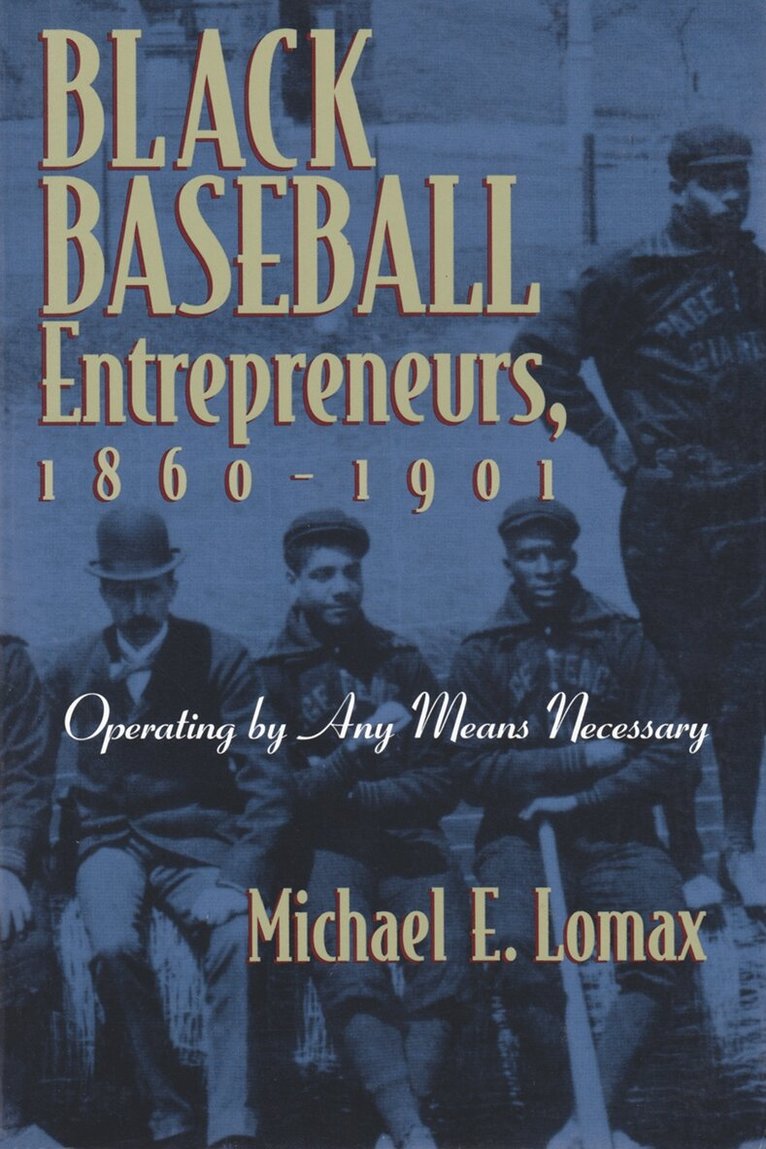
An account of the birth of black baseball and its dramatic passage from grass-roots venture to commercial enterprise. It assesses the impact of urbanization and migration, and applauds those innovators who forged black baseball into a parallel club that also appealed to whites.
As the companion volume to Black Baseball Entrepreneurs,1860–1901: Operating by Any Means Necessary, Lomax’s new book continues to chronicle the history of black baseball in the United States. The first volume traced the development of baseball from an exercise in community building among African Americans in the pre–Civil War era into a commercialized amusement and a rare and lucrative opportunity for entrepreneurship within the black community. In this book, Lomax takes a closer look at the marketing and promotion of the Negro Leagues by black baseball magnates. He explores how race influenced black baseball’s institutional development and how it shaped the business relationship with white clubs and managers. Lomax explains how the decisions that black baseball magnates made to insulate themselves from outside influences may have distorted their perceptions and ultimately led to the Negro Leagues’ demise. The collapse of the Negro Leagues by 1931 was, Lomax argues, ""a dream deferred in the overall African American pursuit for freedom and self-determination.
With essays by Ron Briley, Michael Ezra, Sarah K. Fields, Billy Hawkins, Jorge Iber, Kurt Kemper, Michael E. Lomax, Samuel O. Regalado, Richard Santillan, and Maureen Smith This anthology explores the intersection of race, ethnicity, and sports and analyzes the forces that shaped the African American and Latino sports experience in post-World War II America. Contributors reveal that sports often reinforced dominant ideas about race and racial supremacy but that at other times sports became a platform for addressing racial and social injustices. The African American sports experience represented the continuation of the ideas of Black Nationalism--racial solidarity, black empowerment, and a determination to fight against white racism. Three of the essayists discuss the protest at the 1968 Olympic Games in Mexico City. In football, baseball, basketball, boxing, and track and field, African American athletes moved toward a position of group strength, establishing their own values and simultaneously rejecting the cultural norms of whites. Among Latinos, athletic achievement inspired community celebrations and became a way to express pride in ethnic and religious heritages as well as a diversion from the work week. Sports was a means by which leadership and survival tactics were developed and used in the political arena and in the fight for justice. Michael E. Lomax is associate professor of health and sport studies at the University of Iowa and the author of Black Baseball Entrepreneurs, 1860-1901: Operating by Any Means Necessary. Kenneth L. Shropshire is David W. Hauck Professor at the Wharton School of the University of Pennsylvania and director of the school's Sports Business initiative.