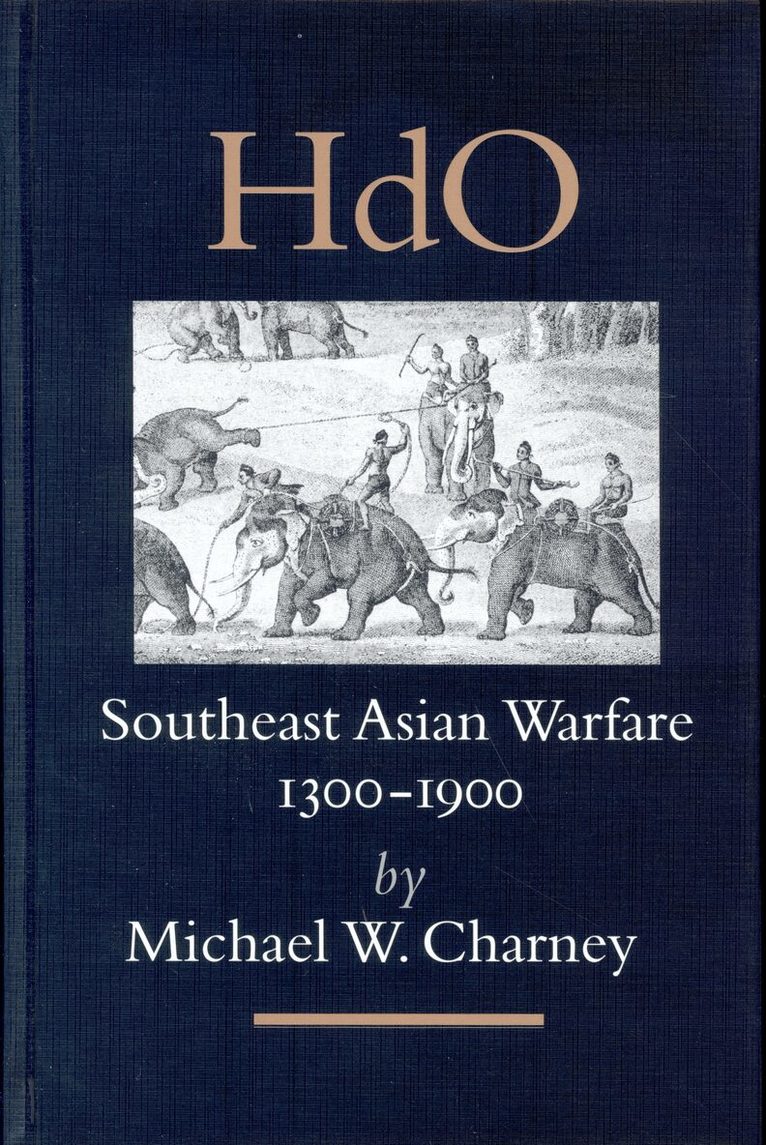
This study of warfare in Southeast Asia between the fourteenth and nineteenth centuries examines the chief aspects of warfare in the region. It begins with an examination of the cultural features that made warfare in the region unique, followed by a discussion of the main weapons used, and the two major sites of fighting, sieges and naval contests. Three chapters examine the role played by animals such as elephants and horses. The final two chapters examine the shift from mercenary armies and masses of levies to smaller standing armies. The study closes with an examination of the tumultuous nineteenth century, in which European naval power won the coast and rivers, while Southeast Asians held the advantage further inland.
Powerful Learning is the first intellectual history of one of the great Buddhist empires of Southeast Asia, Konbaung Burma, before the British conquest. The book challenges the notion of the court and the monastic order as static institutions by examining how competition within and between them prompted major rethinking about the intellectual foundations of indigenous society and culture. The catalyst for this reformation of indigenous thought was the rise of a small clique of Buddhist monks and lay people from the frontier to commanding positions in the state and monastic order over the course of the late eighteenth and early nineteenth centuries. This clique had a major influence on the creation of state myths, the ways in which the throne ruled and presented itself, and, ultimately, the relationship between the throne and the state. The new state and monastic orthodoxy, however, was challenged by other Burmese literati, who, over the course of the nineteenth century, sought in Western science, technology, and political theory other ways in which to shape Burmese perspectives on state and society. In the process, the Burmese underwent a difficult transition from premodern to modern intellectual thought, one that helped usher in British rule.