1 039 kr
Skickas inom 10-15 vardagar
1 039 kr
Skickas inom 10-15 vardagar
2 618 kr
Skickas inom 10-15 vardagar
402 kr
Skickas inom 10-15 vardagar
402 kr
Skickas inom 10-15 vardagar
390 kr
Skickas inom 10-15 vardagar
402 kr
Skickas inom 10-15 vardagar
850 kr
Läs direkt efter köp
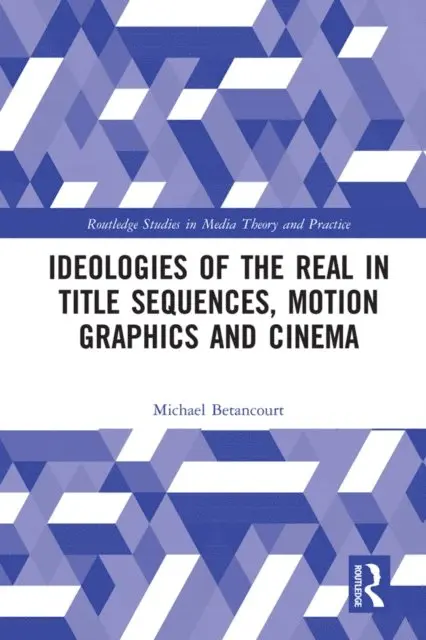
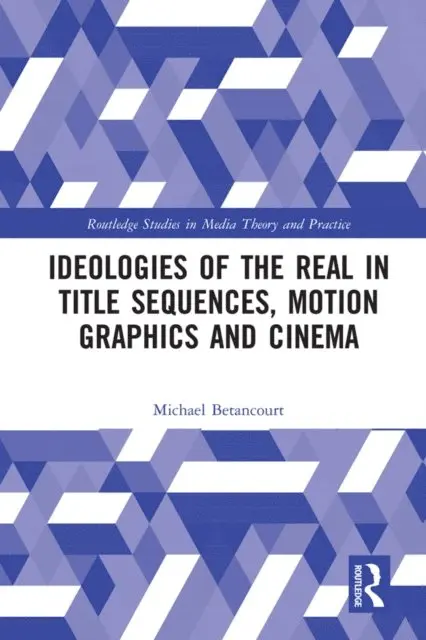
This book explores the question of realism in motion pictures. Specifically, it explores how understanding the role of realism in the history of title sequences in film can illuminate discussions raised by the advent of digital cinema.
Ideologies of the Real in Title Sequences, Motion Graphics and Cinema fills a critical and theoretical void in the existing literature on motion graphics. Developed from careful analysis of André Bazin, Stanley Cavell, and Giles Deleuze’s approaches to cinematic realism, this analysis uses title sequences to engage the interface between narrative and non-narrative media to consider cinematic realism in depth through highly detailed close readings of the title sequences for Bullitt (1968), Kolchak: The Night Stalker (1974), The Number 23 (2007), The Kingdom (2008), Blade Runner: 2049 (2017) and the James Bond films. From this critique, author Michael Betancourt develops a modal approach to cinematic realism where ontology is irrelevant to indexicality. His analysis shows the continuity between historical analogue film and contemporary digital motion pictures by developing a framework for rethinking how realism shapes interpretation.
856 kr
Läs direkt efter köp
This book explores the question of realism in motion pictures. Specifically, it explores how understanding the role of realism in the history of title sequences in film can illuminate discussions raised by the advent of digital cinema.
Ideologies of the Real in Title Sequences, Motion Graphics and Cinema fills a critical and theoretical void in the existing literature on motion graphics. Developed from careful analysis of André Bazin, Stanley Cavell, and Giles Deleuze’s approaches to cinematic realism, this analysis uses title sequences to engage the interface between narrative and non-narrative media to consider cinematic realism in depth through highly detailed close readings of the title sequences for Bullitt (1968), Kolchak: The Night Stalker (1974), The Number 23 (2007), The Kingdom (2008), Blade Runner: 2049 (2017) and the James Bond films. From this critique, author Michael Betancourt develops a modal approach to cinematic realism where ontology is irrelevant to indexicality. His analysis shows the continuity between historical analogue film and contemporary digital motion pictures by developing a framework for rethinking how realism shapes interpretation.
446 kr
Läs direkt efter köp
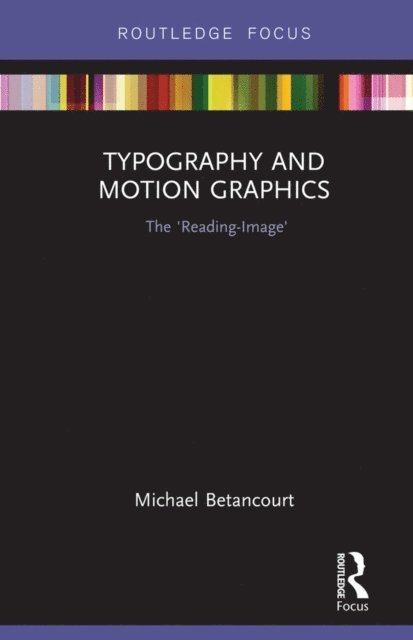
In his latest book, Michael Betancourt explores the nature and role of typography in motion graphics as a way to consider its distinction from static design, using the concept of the ‘reading-image’ to model the ways that motion typography dramatizes the process of reading and audience recognition of language on-screen. Using both classic and contemporary title sequences—including The Man With the Golden Arm (1955), Alien (1979), Flubber (1998), Six Feet Under (2001), The Number 23 (2007) and Scott Pilgrim vs. The World (2010)—Betancourt develops an argument about what distinguishes motion graphics from graphic design. Moving beyond title sequences, Betancourt also analyzes moving or kinetic typography in logo designs, commercials, film trailers, and information graphics, offering a striking theoretical model for understanding typography in media.
446 kr
Läs direkt efter köp
In his latest book, Michael Betancourt explores the nature and role of typography in motion graphics as a way to consider its distinction from static design, using the concept of the ‘reading-image’ to model the ways that motion typography dramatizes the process of reading and audience recognition of language on-screen. Using both classic and contemporary title sequences—including The Man With the Golden Arm (1955), Alien (1979), Flubber (1998), Six Feet Under (2001), The Number 23 (2007) and Scott Pilgrim vs. The World (2010)—Betancourt develops an argument about what distinguishes motion graphics from graphic design. Moving beyond title sequences, Betancourt also analyzes moving or kinetic typography in logo designs, commercials, film trailers, and information graphics, offering a striking theoretical model for understanding typography in media.
278 kr
Skickas inom 7-10 vardagar
182 kr
Skickas inom 7-10 vardagar
235 kr
Skickas inom 7-10 vardagar
255 kr
Skickas inom 7-10 vardagar
206 kr
Skickas inom 7-10 vardagar
278 kr
Skickas inom 7-10 vardagar
249 kr
Skickas inom 7-10 vardagar
250 kr
Skickas inom 7-10 vardagar
235 kr
Skickas inom 7-10 vardagar
241 kr
Skickas inom 7-10 vardagar
242 kr
Skickas inom 7-10 vardagar
242 kr
Skickas inom 7-10 vardagar
183 kr
Skickas inom 7-10 vardagar
349 kr
Skickas inom 7-10 vardagar
312 kr
Skickas inom 7-10 vardagar
95 kr
Skickas inom 7-10 vardagar
746 kr
Läs direkt efter köp
This book develops a critical and theoretical approach to the semiotics of motion pictures as they are applied to a broader range of constructions than traditional commercial narrative productions.
This interdisciplinary approach begins with the problems posed by motion perception to develop a model of cinematic interpretation that includes both narrative and non-narrative types of productions. Contrasting traditional theatrical projection and varieties of new media, this book integrates analyses of title sequences, music videos, and visual effects with discussions on classic and avant-garde films. It further explores the intersection between formative audio-visual cues identified by viewers and how viewers’ desires direct engagement with the motion picture to present a framework for understanding cinematic articulation. This new theoretical model incorporates much of what was neglected and gives greater prominence to formerly critical marginal productions by showing the fundamental connections that link all moving imagery and animated text, whether it tells a story or not.
This insightful work will appeal to students and academics in film and media studies.
785 kr
Läs direkt efter köp
This book develops a critical and theoretical approach to the semiotics of motion pictures as they are applied to a broader range of constructions than traditional commercial narrative productions.
This interdisciplinary approach begins with the problems posed by motion perception to develop a model of cinematic interpretation that includes both narrative and non-narrative types of productions. Contrasting traditional theatrical projection and varieties of new media, this book integrates analyses of title sequences, music videos, and visual effects with discussions on classic and avant-garde films. It further explores the intersection between formative audio-visual cues identified by viewers and how viewers’ desires direct engagement with the motion picture to present a framework for understanding cinematic articulation. This new theoretical model incorporates much of what was neglected and gives greater prominence to formerly critical marginal productions by showing the fundamental connections that link all moving imagery and animated text, whether it tells a story or not.
This insightful work will appeal to students and academics in film and media studies.
2 542 kr
Skickas inom 10-15 vardagar
675 kr
Skickas inom 10-15 vardagar