1 131 kr
Skickas inom 10-15 vardagar
1 131 kr
Skickas inom 10-15 vardagar
277 kr
Skickas inom 7-10 vardagar
128 kr
Skickas
129 kr
Skickas
503 kr
Skickas inom 3-6 vardagar
929 kr
Skickas inom 7-10 vardagar
1 247 kr
Läs direkt efter köp
1 459 kr
Läs direkt efter köp
1 090 kr
Skickas inom 10-15 vardagar
1 449 kr
Läs direkt efter köp
1 090 kr
Skickas inom 10-15 vardagar
1 011 kr
Skickas inom 10-15 vardagar
3 798 kr
Skickas inom 10-15 vardagar
258 kr
Skickas inom 7-10 vardagar
279 kr
Skickas inom 7-10 vardagar
256 kr
Skickas inom 7-10 vardagar
279 kr
Skickas inom 7-10 vardagar
173 kr
Skickas inom 3-6 vardagar
224 kr
Skickas inom 3-6 vardagar
240 kr
Skickas inom 3-6 vardagar
148 kr
Skickas inom 3-6 vardagar
189 kr
Skickas inom 3-6 vardagar
189 kr
Skickas inom 3-6 vardagar
148 kr
Skickas inom 3-6 vardagar
293 kr
Skickas inom 3-6 vardagar
2 111 kr
Läs direkt efter köp
1 632 kr
Skickas inom 10-15 vardagar
2 111 kr
Läs direkt efter köp
"Process Control Performance Assessment" is a guide to the application of control benchmarking to industrial processes. It presents commercial solutions and techniques still under development and contains real industrial case studies from the oil and gas, power and chemical industries. The effect of benchmarking and control tuning on process performance and revenue optimisation is demonstrated.
Practical issues to do with implementing benchmarking algorithms in industrial processes are covered in detail and guidelines for avoiding common problems given. The impact of problems like valve stiction and plant-wide disturbances on process performance is reviewed and methods for diagnosing causative fault conditions suggested.
The benefits of using benchmarking techniques for optimising control systems are increased throughput and product quality. The book is appropriate for industrial and academic control and process engineers wishing to learn about methods of benchmarking through directed study or self study.
Springer London Ltd
4 479 kr
Skickas inom 10-15 vardagar
4 989 kr
Läs direkt efter köp
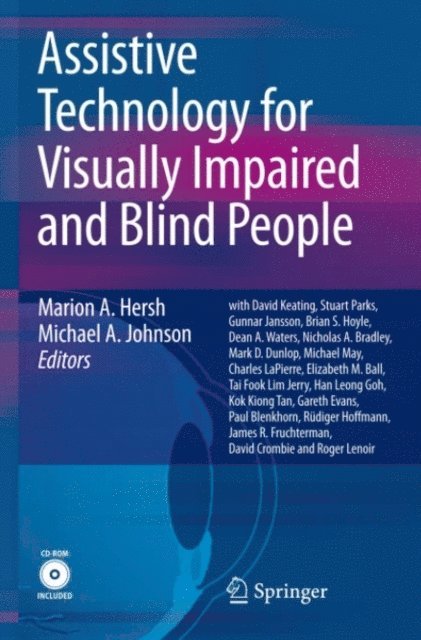
Equal accessibility to public places and services is now required by law in many countries. It is often the use of specialised technology which can provide the vision-impaired with a fuller enjoyment of all the facilities of society. In this volume the engineering and design principles and techniques used in assistive technology for blind and vision-impaired people are explained.
Features: instruction in the physiology of the human visual system and methods of measuring visual ability; explanation of many devices designed for every-day living in terms of generic electrical engineering principles; sections of practical projects and investigations which will give the reader ideas for student work and for self teaching; contributions by authors of international repute from divers fields which co-operate under the banner of assistive technology, among them: artificial vision systems; psychology, haptics, electrical engineering, design and visual physiology.