1 079 kr
Skickas inom 10-15 vardagar
1 079 kr
Skickas inom 10-15 vardagar
1 112 kr
Skickas inom 10-15 vardagar
1 049 kr
Skickas inom 10-15 vardagar
1 079 kr
Skickas inom 10-15 vardagar
1 067 kr
Skickas inom 10-15 vardagar
1 098 kr
Skickas inom 10-15 vardagar
1 455 kr
Läs direkt efter köp
653 kr
Skickas inom 10-15 vardagar
892 kr
Skickas inom 10-15 vardagar
492 kr
Skickas inom 10-15 vardagar
802 kr
Läs direkt efter köp
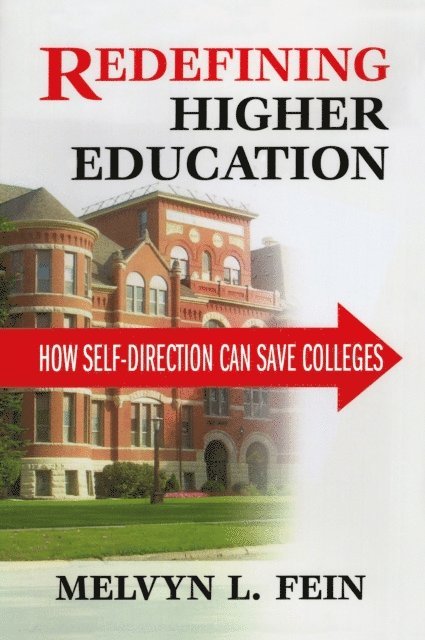
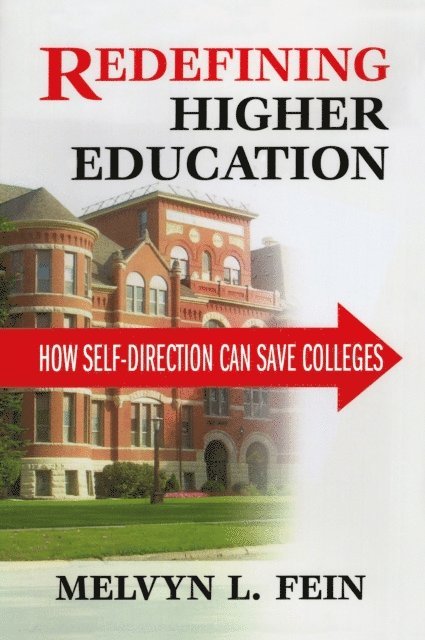
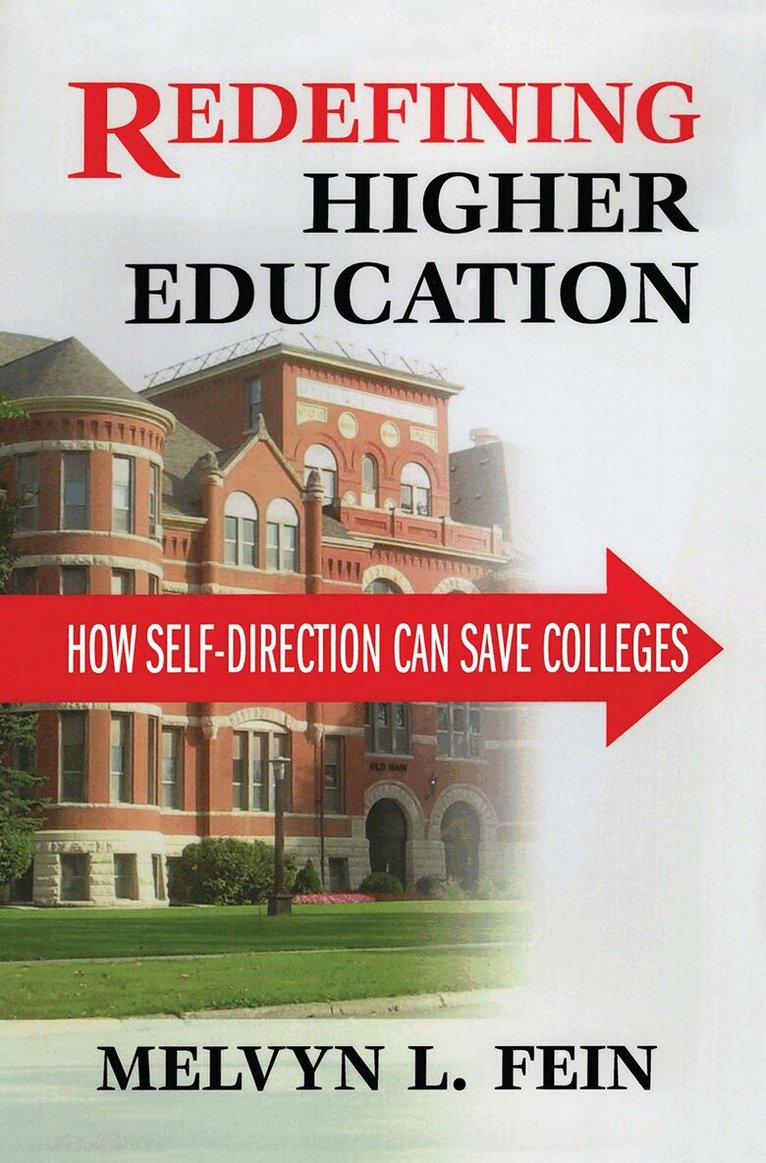
Higher education is in trouble. Commentators of all stripes bemoan escalating costs and diminishing quality. Solutions have been offered from all quarters, but tend to be piecemeal and all too often ideological. In this tough-minded look at the history, current climate, and future of university education in the United States, Melvyn L. Fein re-examines the mission of higher education and outlines what institutions can do to better prepare students for an ever more complex techno-commercial society. Fein argues that students must have the opportunity to explore and discover what works for them, and that the most important tool for institutions of higher education is self-direction. Professors must be allowed to teach in their own ways, bringing their own experience into the classroom. Since university missions differ, both universities and professors need the freedom to make decisions independently. The imminent need is for a "democratic elite" consisting of self-directed leaders who possess technical and social expertise, as well as personal motivation. The tools for change are appropriate curricula, communities of learners, and a genuine marketplace of ideas. While there is no magic bullet, Fein contends that we can and should build on the achievements of the past so as to evolve more responsive educational institutions-those that promote merit, responsibility, and universalism.
624 kr
Läs direkt efter köp
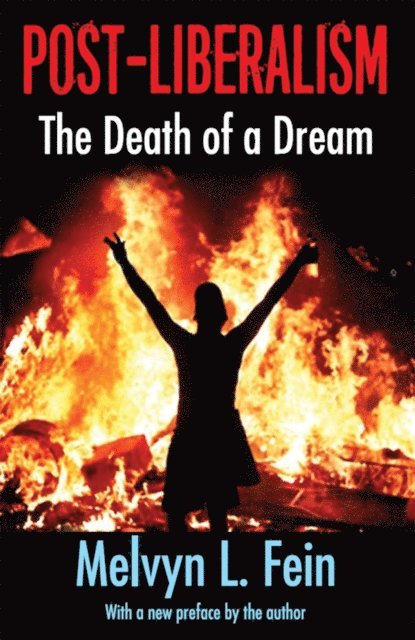
Liberalism is dying—despite its superficial appearance of vigor. Most of its adherents still believe it is the wave of the future, but they are clinging to a sinking dream. So says Melvyn L. Fein, who argues that liberalism has made countless promises, almost none of which have come true. Under its auspices, poverty was not eliminated, crime did not diminish, the family was not strengthened, education was not improved, nor was universal peace established. These failures were not accidental; they flow directly from liberal contradictions. In Post-Liberalism, Fein demonstrates why this is the case.
Fein contends that an "inverse force rule" dictates that small communities are united by strong forces, such as personal relationships and face-to-face hierarchies, while large-scale societies are integrated by weak forces, such as technology and social roles. As we become a more complex techno-commercial society, the weak forces become more dominant. This necessitates greater decentralization, in direct opposition to the centralization that liberals celebrate. Paradoxically, this suggests that liberalism, as an ideology, is regressive rather than progressive. If so, it must fail.
Liberals assume that some day, under their tutelage, these trends will be reversed, but this contradicts human nature and history''s lessons. According to Fein, we as a species are incapable of eliminating hierarchy or of loving all other humans with equal intensity. Neither, as per Emile Durkheim, are we able to live in harmony without appropriate forms of social cohesion.
572 kr
Läs direkt efter köp
560 kr
Läs direkt efter köp
1 106 kr
Läs direkt efter köp
1 082 kr
Läs direkt efter köp
762 kr
Läs direkt efter köp
746 kr
Läs direkt efter köp
1 492 kr
Skickas inom 10-15 vardagar
2 534 kr
Skickas inom 10-15 vardagar
1 241 kr
Skickas inom 10-15 vardagar
2 428 kr
Skickas inom 7-10 vardagar
2 534 kr
Skickas inom 10-15 vardagar
536 kr
Skickas inom 10-15 vardagar
1 114 kr
Skickas inom 10-15 vardagar
1 492 kr
Läs direkt efter köp
1 114 kr
Skickas inom 10-15 vardagar
236 kr
Skickas inom 7-10 vardagar