Inbunden, Engelska, 2006
3 453 kr
Skickas inom 3-6 vardagar
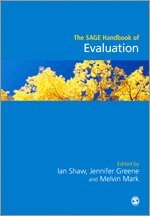
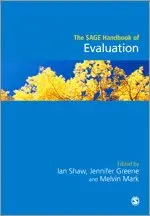
′This handbook thoroughly covers all aspects of evaluation, yet isn′t too technical to understand. It offers everything an organization needs to know to get the most out of evaluation′ - Nonprofit World`The Handbook succeeds in capturing and presenting evaluation′s extensive knowledge base within a global context. In so doing it provides a useful, coherent and definitive benchmark on the field′s diverse and dynamic purposes, practices, theories, approaches, issues, and challenges for the 21st century. The Handbook is an essential reference and map for any serious evaluation practitioner, scholar and student anywhere in the world′ - Michael Quinn Patton, author of Utilization-Focused Evaluation`Readers of this volume will find a set of texts that provide an evocative overview of contemporary thinking in the world of evaluation. This is not a book of simple tips. It does justice to the complex realities of evaluation practice by bringing together some of the best practitioners in the world to reflect on its current state. It is theoretically sophisticated yet eminently readable, anchored in evaluation as it is undertaken in a variety of domains. It is the kind of book that startles a little and makes you think. I highly recommend it′ - Murray Saunders, University of LancasterIn this comprehensive handbook, an examination of the complexities of contemporary evaluation contributes to the ongoing dialogue that arises in professional efforts to evaluate people-related programs, policies and practices.The SAGE Handbook of Evaluation is a unique and authoritative resource consisting of 25 chapters covering a range of evaluation theories and techniques in a single, accessible volume. With contributions from world-leading figures in their fields overseen by an eminent international editorial board, this handbook is an extensive and user-friendly resource organised in four coherent sections:"Role and Purpose of Evaluation in Society;"Evaluation as a Social Practice;"The Practice of Evaluation;"Domains of Evaluation Practice.The Handbook of Evaluation is written for practicing evaluators, academics, advanced postgraduate students and evaluation clients and offers a definitive, benchmark statement on evaluation theory and practice for the first decades of the 21st century.