Once considered implausible, the demand to make amends for old wrongs has become a pressing contemporary problem. Legal expert Professor Mayo Moran utilizes landmark cases to demonstrate how innovative private law claims have begun to employ reparative justice to frame claims to redress grievous historical wrongs, tracing the evolution from early Holocaust litigation and transitional justice to contemporary claims involving colonial violence, slavery, and institutional abuse.Drawing on ground-breaking cases involving looted art, institutional child abuse, and involuntary sterilization, the book highlights the shifting understanding of the past. It examines the pivotal role of private law in the effort to rectify historical injustices. Post-Holocaust legal developments, the rise of transitional justice, and the strategic use of domestic civil law by human rights advocates helped to shape these novel redress claims. Moved by survivor narratives and in the face of evolving legal norms, courts, governments, and institutions all began to consider how to respond to grievous old wrongs.Moran analyzes the design of redress mechanisms and the key role of legal practitioners, showing how jurisdictions have responded through settlements and compensation programs. Using a wide array of examples, Moran outlines the pitfalls and opportunities of law as a tool for addressing past wrongs.
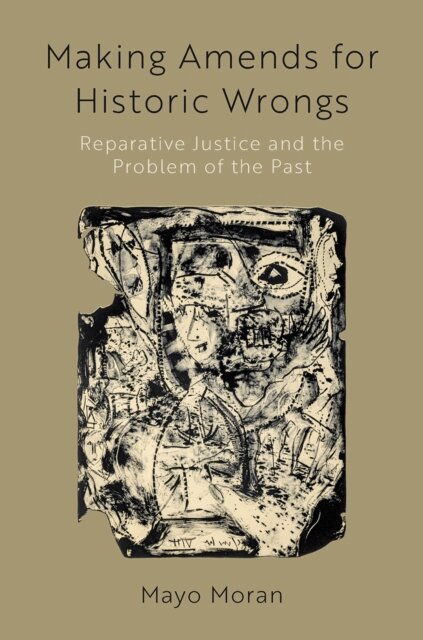
Once considered implausible, the demand to make amends for old wrongs has become a pressing contemporary problem. Legal expert Professor Mayo Moran utilizes landmark cases to demonstrate how innovative private law claims have begun to employ reparative justice to frame claims to redress grievous historical wrongs, tracing the evolution from early Holocaust litigation and transitional justice to contemporary claims involving colonial violence, slavery, and institutional abuse. Drawing on ground-breaking cases involving looted art, institutional child abuse, and involuntary sterilization, the book highlights the shifting understanding of the past. It examines the pivotal role of private law in the effort to rectify historical injustices. Post-Holocaust legal developments, the rise of transitional justice, and the strategic use of domestic civil law by human rights advocates helped to shape these novel redress claims. Moved by survivor narratives and in the face of evolving legal norms, courts, governments, and institutions all began to consider how to respond to grievous old wrongs. Moran analyzes the design of redress mechanisms and the key role of legal practitioners, showing how jurisdictions have responded through settlements and compensation programs. Using a wide array of examples, Moran outlines the pitfalls and opportunities of law as a tool for addressing past wrongs.
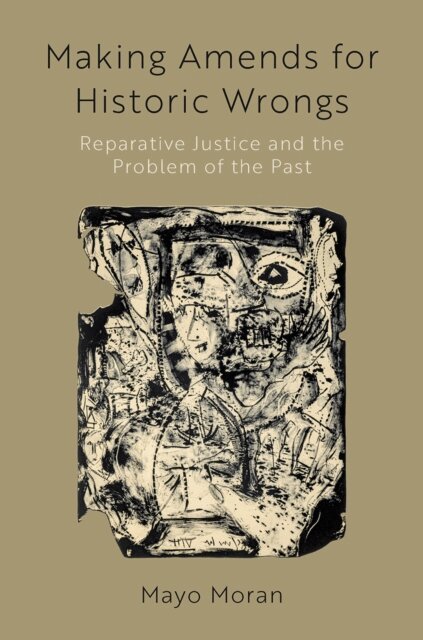
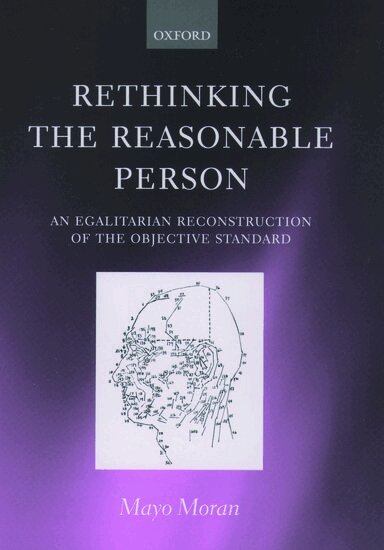
The reasonable person standard plays a central role in the law, figuring prominently in tort law, criminal law, and administrative law. However the reasonable person has also attracted substantial criticism from egalitarian critics and feminists insofar as it presupposes contested notions of 'normal' behaviour and may discriminate against certain classes of defendant. Judges and mainstream theorists also increasingly puzzle over what the standard amounts to and how to apply it. Using these controversies as a point of departure, Rethinking the Reasonable Person examines the promise and the perils of the reasonable person standard. Ultimately, it argues that an objective standard is not only defensible but essential. Yet only with a radical reconstruction will it be possible to realize the promise of the standard and to ensure a truly egalitarian conception of responsibility.
Courts today face a range of claims to redress historic injustice, including injustice perpetrated by law. In Canada, descendants of Chinese immigrants recently claimed the return of a head tax levied only on Chinese immigrants. Calling Power to Account uses the litigation around the Chinese Canadian Head Tax Case as a focal point for examining the historical, legal, and philosophical issues raised by such claims.By placing both the discriminatory law and the judicial decisions in their historical context, some of the essays in this volume illuminate the larger patterns of discrimination and the sometimes surprising capacity of the courts of the day to respond to racism. A number of the contributors explore the implications of reparations claims for relations between the various branches of government while others examine the difficult questions such claims raise in both legal and political theory by placing the claims in a comparative or philosophical perspective.Calling Power to Account suggests that our legal systems can hope to play a part in responding to their own legacy of past injustice only when they recognize the full array of issues posed by the Head Tax Case.