Synthesis of Mediterraneum's first seminar.On May 28, 1995, at Bertinoro, the town where the great commentator of the Mishrah, Ovadiah, once lived, scholars from various prestigious universities founded Mediterraneum.Mediterraneum is a network of eight European and Mediterranean universities for the comparative study of Judaism, Christianity, and Islam from the perspectives of cultural anthropology, history of religions, and comparative ethics.This book is the outcome of Mediterraneum's first seminar. The essays collected here deal with two closely connected questions: how can the comparative study of three monotheistic religions be carried out? And how is it possible to compare religious phenomena that have not been previously represented in an autonomous way, each one in and for itself?
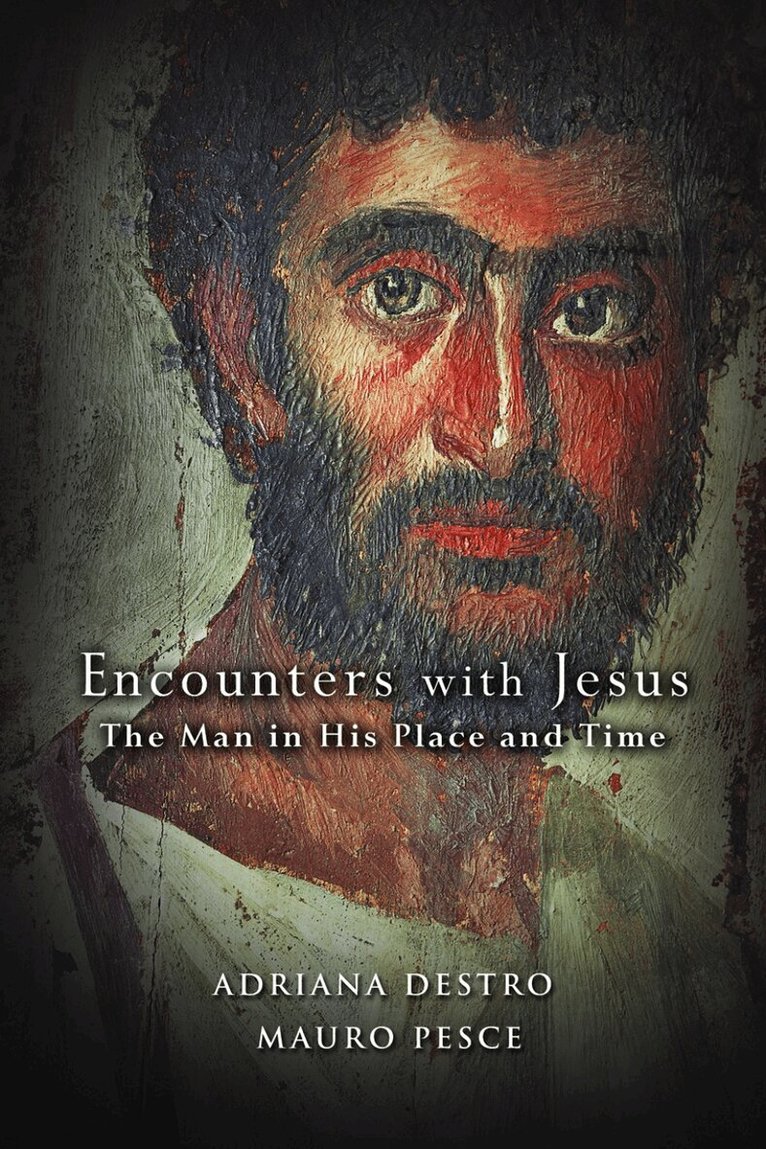
Tras la muerte de Jesús, el episodio fue reelaborado, ampliado y nuevamente enfocado. Surgieron relatos y testimonios, pero se atribuyó un nuevo significado a todo cuanto el Maestro había dicho o hecho: la derrota de su muerte se transformó en victoria, y los seguidores corrigieron todo lo que ellos no comprendían o no aceptaban. El resultado fue que, poco a poco, las nuevas interpretaciones ocultaron y transformaron lo que había sucedido. Los autores de este libro llevan a cabo una investigación seria y de carácter interdisciplinar que nos ayudará a entender qué ocurrió realmente en Jerusalén tras la muerte de Jesús y a reflexionar sobre la determinante influencia que ese hecho ha tenido en nuestra historia y en nuestra cultura.
From Jesus to His First Followers examines to what extent early Christian groups were in continuity or discontinuity with respect to Jesus. Adriana Destro and Mauro Pesce concentrate on the transformation of religious practices. Their anthropological-historical analysis focuses on the relations between discipleship and households, on the models of contact with the supernatural world, and on cohabitation among distinct religious groups. The book highlights how Matthew uses non-Jewish instruments of legitimation, John reformulates religious experiences through symbolized domestic slavery, Paul adopts a religious practice diffused in Roman-Hellenistic environments. The book reconstructs the map of early Christian groups in the Land of Israel and explains their divergences on the basis of an original theory of the local origin of Gospels’ information.