712 kr
Skickas inom 5-8 vardagar
712 kr
Skickas inom 5-8 vardagar
1 351 kr
Skickas inom 7-10 vardagar
1 308 kr
Läs direkt efter köp
346 kr
Skickas inom 7-10 vardagar
314 kr
Skickas inom 10-15 vardagar
2 526 kr
Skickas inom 10-15 vardagar
695 kr
Skickas inom 10-15 vardagar
760 kr
Skickas inom 10-15 vardagar
2 571 kr
Skickas inom 10-15 vardagar
2 497 kr
Skickas inom 10-15 vardagar
373 kr
Skickas inom 10-15 vardagar
808 kr
Läs direkt efter köp
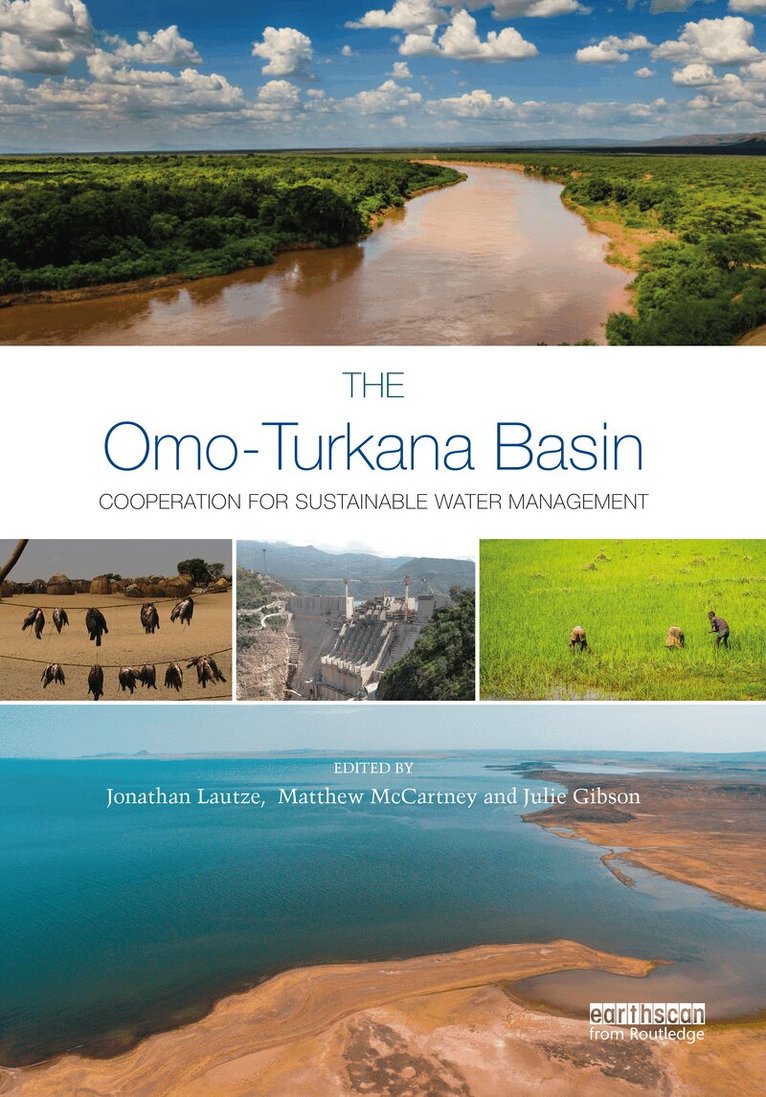
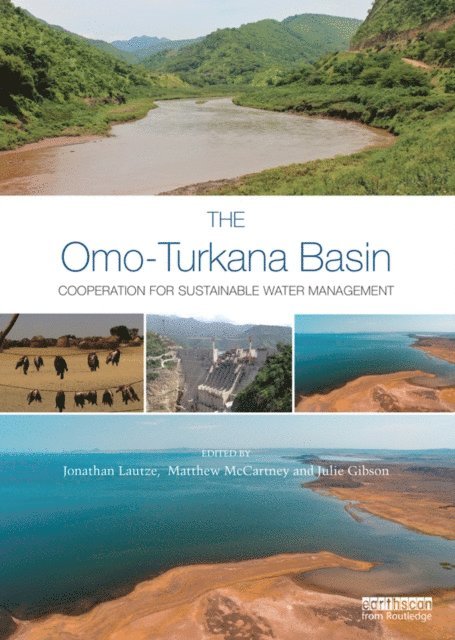
This book provides a comprehensive examination of water resource management in the Omo-Turkana Basin, linking together biophysical, socioeconomic, policy, institutional and governance issues in a solutions-oriented manner.
The Omo-Turkana Basin is one of the most important lake basins in Africa, and despite the likely transboundary impacts associated with the management of dams, it is the largest lake basin in Africa without a cooperative water agreement. This volume provides a foundation for integrated decision-making in the management of development in the Lake Turkana Basin. Chapters cover water-related conditions, hydropower, agriculture, ecosystems, resilience and transboundary governance. The final chapter proposes ways forward in light of the potential benefits that can be achieved through cooperation, and practical realities that cooperation is slow and may take time to achieve.
This book will be of great interest to students and scholars of water and natural resource management, environmental policy, sustainable development and African studies. It will also be relevant to water management professionals.
814 kr
Läs direkt efter köp
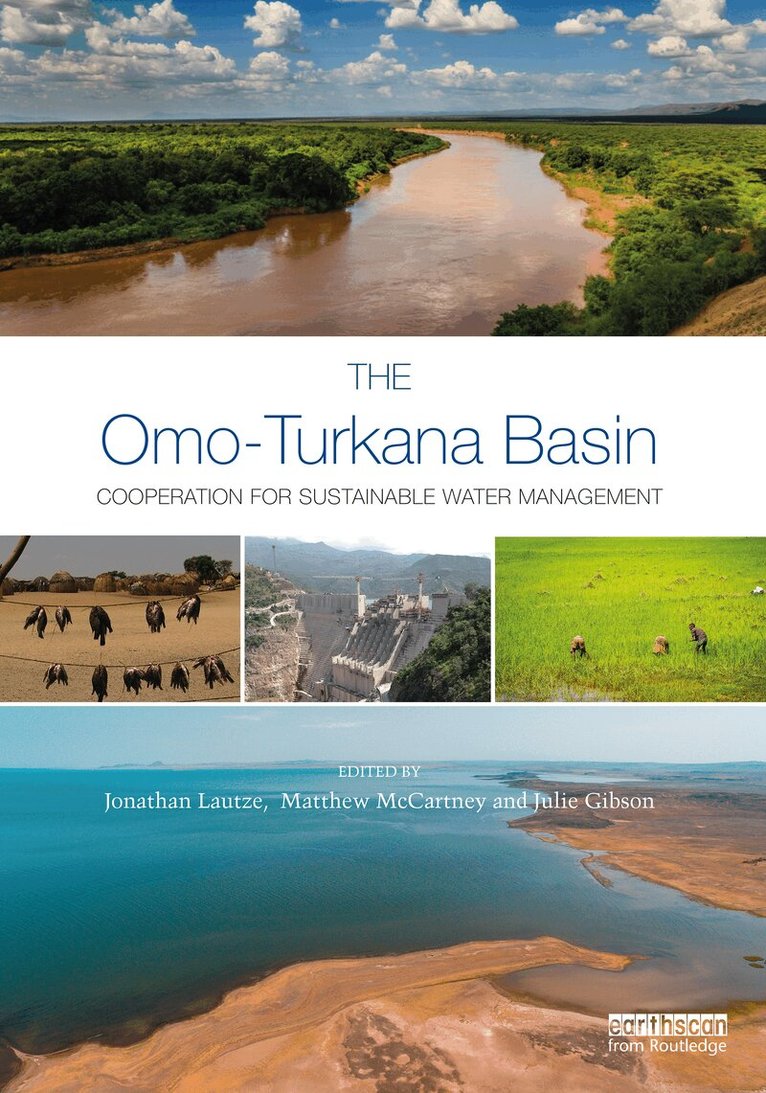
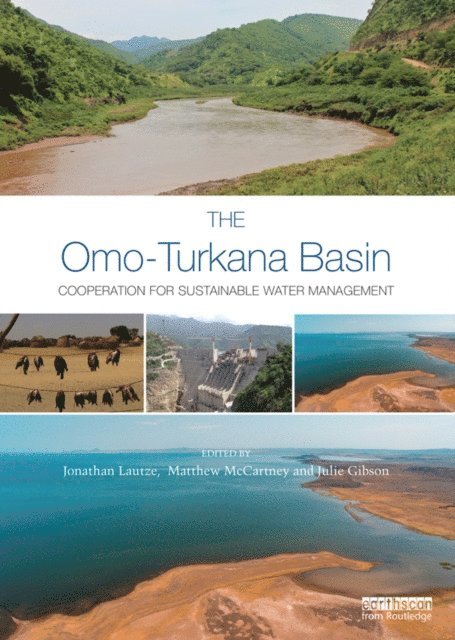
This book provides a comprehensive examination of water resource management in the Omo-Turkana Basin, linking together biophysical, socioeconomic, policy, institutional and governance issues in a solutions-oriented manner.
The Omo-Turkana Basin is one of the most important lake basins in Africa, and despite the likely transboundary impacts associated with the management of dams, it is the largest lake basin in Africa without a cooperative water agreement. This volume provides a foundation for integrated decision-making in the management of development in the Lake Turkana Basin. Chapters cover water-related conditions, hydropower, agriculture, ecosystems, resilience and transboundary governance. The final chapter proposes ways forward in light of the potential benefits that can be achieved through cooperation, and practical realities that cooperation is slow and may take time to achieve.
This book will be of great interest to students and scholars of water and natural resource management, environmental policy, sustainable development and African studies. It will also be relevant to water management professionals.
1 367 kr
Läs direkt efter köp
1 288 kr
Skickas
424 kr
Läs direkt efter köp
430 kr
Läs direkt efter köp
890 kr
Läs direkt efter köp
910 kr
Läs direkt efter köp
864 kr
Läs direkt efter köp
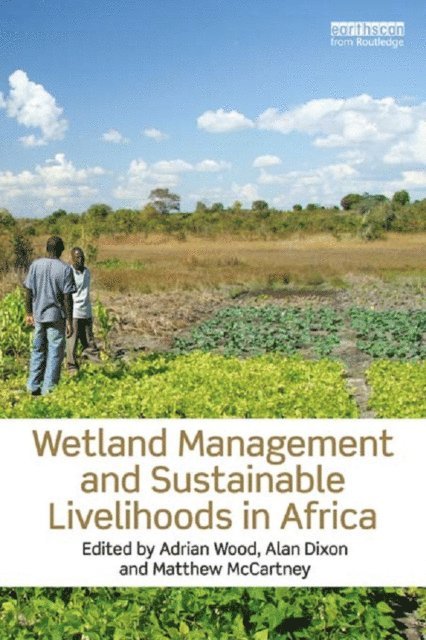
In this book the authors argue for a paradigm shift in the way African wetlands are considered. Current policies and wetland management are too frequently underpinned by a perspective that views agriculture simply as a threat and disregards its important contribution to livelihoods. In rural areas where people are entrenched in poverty, wetlands (in particular wetland agriculture) have a critical role to play in supporting and developing peoples'' livelihoods. Furthermore, as populations rise and climate change takes grip they will be increasingly important.
The authors argue that an approach to wetland management that is much more people focused is required. That is an approach that instead of being concerned primarily with environmental outcomes is centred on livelihood outcomes supported by the sustainable use of natural wetland resources.
The authors stress the need for Integrated Water Resource Management and landscape approaches to ensure sustainable use of wetlands throughout a river catchment and the need for wetland management interventions to engage with a wide range of stakeholders. They also assess the feasibility of creating incentives and value in wetlands to support sustainable use. Drawing on nine empirical case studies, this book highlights the different ways in which sustainable use of wetlands has been sought, each case focusing on specific issues about wetlands, agriculture and livelihoods.
877 kr
Läs direkt efter köp
In this book the authors argue for a paradigm shift in the way African wetlands are considered. Current policies and wetland management are too frequently underpinned by a perspective that views agriculture simply as a threat and disregards its important contribution to livelihoods. In rural areas where people are entrenched in poverty, wetlands (in particular wetland agriculture) have a critical role to play in supporting and developing peoples'' livelihoods. Furthermore, as populations rise and climate change takes grip they will be increasingly important.
The authors argue that an approach to wetland management that is much more people focused is required. That is an approach that instead of being concerned primarily with environmental outcomes is centred on livelihood outcomes supported by the sustainable use of natural wetland resources.
The authors stress the need for Integrated Water Resource Management and landscape approaches to ensure sustainable use of wetlands throughout a river catchment and the need for wetland management interventions to engage with a wide range of stakeholders. They also assess the feasibility of creating incentives and value in wetlands to support sustainable use. Drawing on nine empirical case studies, this book highlights the different ways in which sustainable use of wetlands has been sought, each case focusing on specific issues about wetlands, agriculture and livelihoods.
356 kr
Läs direkt efter köp
361 kr
Läs direkt efter köp
618 kr
Skickas inom 10-15 vardagar
2 138 kr
Skickas inom 10-15 vardagar
661 kr
Läs direkt efter köp
773 kr
Skickas inom 10-15 vardagar
1 294 kr
Skickas inom 7-10 vardagar
420 kr
Läs direkt efter köp
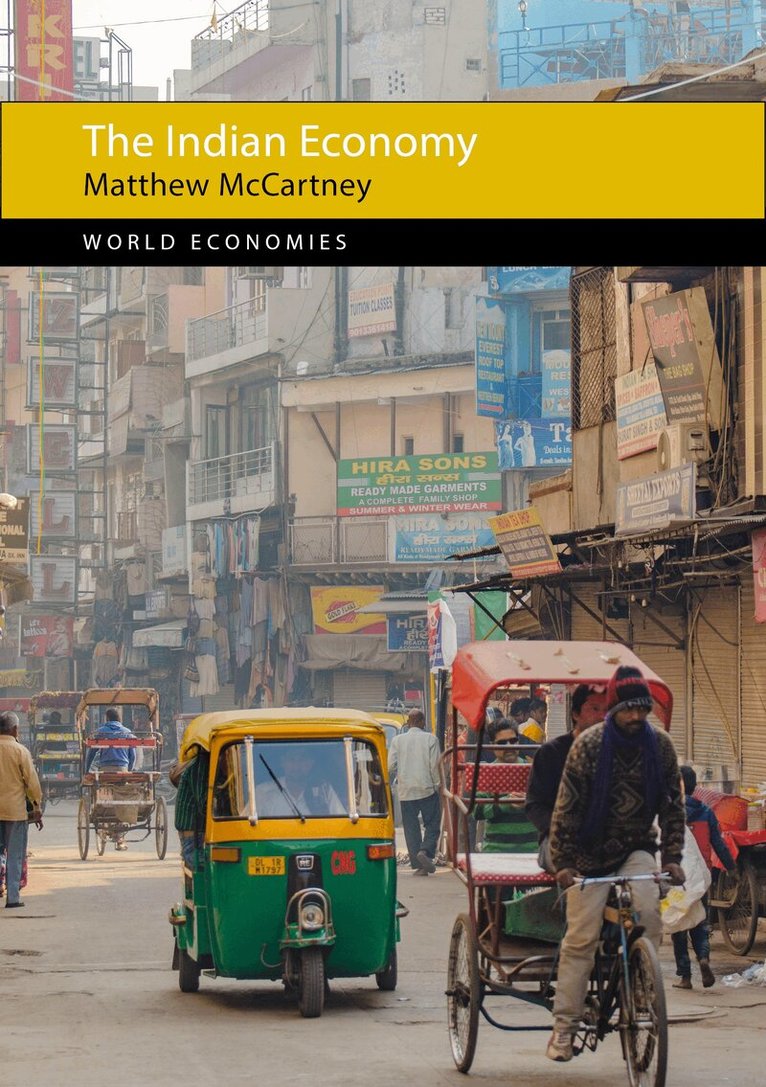
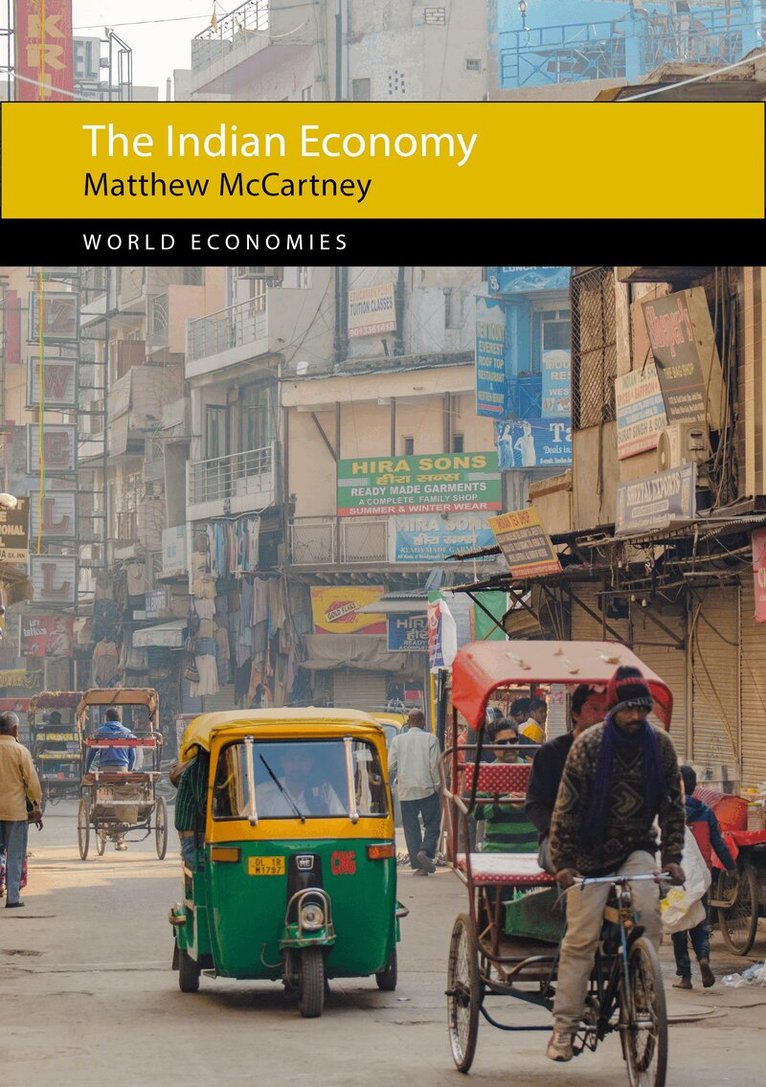
The Indian economy has undergone dramatic changes over recent decades encompassing episodes of rapid growth and stagnation. It is a complex economic story that stretches back to the seismic events of 1947. This book charts the development of the Indian economy since independence and partition, and provides a rigorous presentation of India’s contemporary political economy.
As well as providing a comprehensive survey of the main features of the Indian economy, the book critically examines key debates surrounding the country’s economic trajectory, in particular those that link it to the dominance of particular class interests, and those that argue that India’s economic growth has not delivered equivalent welfare gains. Throughout, the book uses revealing case studies of poverty and inequality, of education, health, work and gender issues to outline the human story behind the economic figures and performance indicators. The economic impact of internal geography, regional diversity and discrimination is also assessed. The distinct, and sometimes puzzling, features of India’s political economy are explored, including the significance of the service sector, a weakening state, and the democratic failure of public service delivery.
The book offers an authoritative overview of the contemporary Indian economy suitable for students seeking an introduction to this most diverse of economies.